
Japan Moves Alongside Indonesia and Others as Hidden Islands Drive Sustainable Tourism Beyond Crowded Beaches

Updated
Published
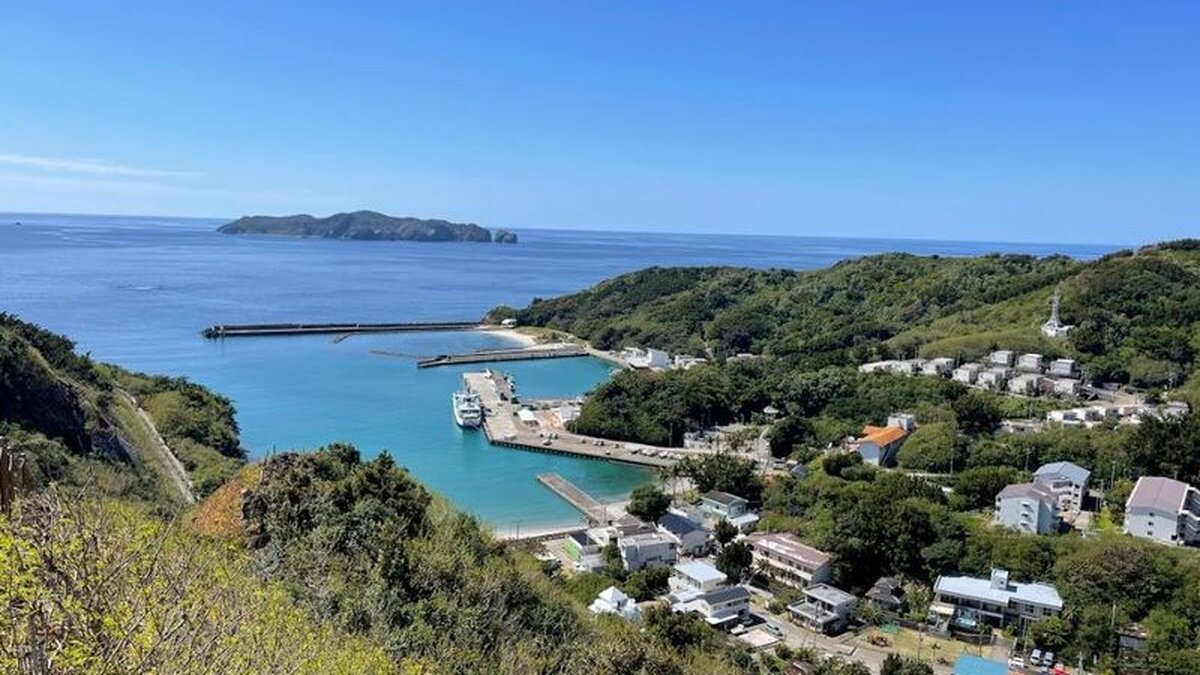
Image generated with Ai
Japan and Southeast Asia are entering a new phase of island tourism as travellers increasingly seek quieter destinations built around biodiversity, conservation, culture and community experiences. Japan’s remote islands, Indonesia’s marine destinations, Thailand’s low-impact islands, the Philippines’ protected coastal areas and Malaysia’s marine parks are collectively reflecting a wider shift away from concentrated beach tourism. The common strategy is to spread visitor demand, protect fragile ecosystems and create higher-value tourism experiences through sustainable island development.
Asia’s Island Tourism Map Is Changing Beyond Traditional Beach Hotspots
The next chapter of Asian island tourism is moving away from the traditional model of concentrating millions of visitors in famous coastal destinations. A new destination strategy is emerging across Japan, Indonesia, Thailand, the Philippines and Malaysia, where remote islands are being developed as sustainable alternatives offering nature, culture and slower travel experiences.
The common thread connecting these destinations is not a formal tourism alliance. Instead, it is a shared response to the challenges created by mass tourism, including environmental pressure, overcrowding, seasonal congestion and rising demand for authentic experiences.
Government tourism agencies across Asia are increasingly highlighting lesser-known islands, marine ecosystems and community-led experiences as important parts of future tourism growth.
Advertisement
Advertisement
The emerging opportunity for travel companies is significant. Tour operators, cruise companies, hotels and destination management companies are increasingly looking beyond established beach markets and exploring islands where visitors can spend more time, engage with local communities and participate in conservation-focused activities.
Advertisement
Advertisement
| Country | Emerging Island Destinations | Sustainable Tourism Focus |
|---|---|---|
| Japan | Ogasawara Islands, Amami Islands, Tokyo Islands | Biodiversity protection, ecotourism, marine experiences |
| Indonesia | Raja Ampat, Wakatobi, Labuan Bajo, Flores | Marine conservation, premium nature tourism |
| Thailand | Koh Mak, Koh Kood, Trang Islands | Low-impact island experiences |
| Philippines | Siargao, Palawan, Bohol, Camiguin | Community tourism and environmental protection |
| Malaysia | Redang, Tioman, Perhentian Islands | Marine parks and coastal conservation |
Japan’s Remote Islands Become Asia’s Blueprint For Nature-Based Tourism
Japan represents one of the strongest examples of how remote islands can become premium sustainable tourism destinations.
The country’s island tourism strategy is expanding beyond major urban destinations such as Tokyo and Kyoto toward areas offering biodiversity, cultural heritage and nature experiences.
The Ogasawara Islands, located approximately 1,000 kilometres south of Tokyo, demonstrate this model. The islands are recognised as a UNESCO Natural World Heritage site because of their unique ecosystems and rare species. Tourism activities include whale watching, marine experiences, hiking and guided nature exploration.
Advertisement
Advertisement
The Tokyo Islands concept also introduces travellers to volcanic islands, remote communities and coastal landscapes that are geographically close to Japan’s capital but significantly different from urban tourism.
The key tourism lesson from Japan is that remote islands do not need unlimited visitor growth to succeed. Instead, they can focus on controlled tourism, longer stays and higher-value experiences.
Advertisement
Advertisement
| Japan Island Model | Traveller Benefit |
|---|---|
| Guided nature tourism | Responsible wildlife experiences |
| Marine activities | Diving, whale watching and ocean exploration |
| Remote accessibility | Exclusive destination appeal |
| Conservation rules | Protected natural environments |
Indonesia Expands Beyond Bali With Marine Tourism Frontiers
Indonesia’s island tourism landscape is increasingly moving beyond Bali toward destinations where nature and conservation form the foundation of the visitor experience.
Raja Ampat, Wakatobi and Labuan Bajo represent a different tourism model based on marine biodiversity, diving, protected ecosystems and cultural experiences.
The strategic importance of these destinations is linked to Indonesia’s position as one of the world’s largest archipelagic nations. With thousands of islands, the country has significant potential to distribute tourism growth across multiple regions.
For international travellers, this creates alternatives to high-density destinations by offering remote landscapes, coral ecosystems and local cultural experiences.
The Indonesian approach aligns with a broader global movement toward regenerative tourism, where destinations attempt to ensure tourism activity supports environmental protection and local economic development.
Advertisement
Advertisement
Thailand Builds Low-Impact Island Experiences Beyond Phuket
Thailand’s island tourism transformation is closely connected with managing demand beyond its most famous beach destinations.
While Phuket and other major coastal locations remain internationally recognised, smaller islands are increasingly attracting travellers seeking quieter experiences.
Koh Mak has become a notable example of Thailand’s low-carbon tourism direction. Official Thai government information highlights Koh Mak as a destination focused on peaceful island experiences, natural landscapes and a less developed tourism environment.
Koh Kood is another example of Thailand’s emerging alternative island tourism model. The Tourism Authority of Thailand describes the island as a quieter destination known for beaches, forests and local island experiences.
For travel businesses, these destinations represent opportunities to create packages focused on wellness, nature, slow travel and premium island escapes.
Advertisement
Advertisement
Philippines Uses Conservation To Redesign Island Tourism Growth
The Philippines has one of the world’s most extensive island tourism networks, making sustainability a central issue for long-term tourism development.
The Department of Tourism has promoted sustainable destinations that combine natural attractions with community participation and environmental protection.
Palawan remains one of the country’s strongest examples. The destination includes protected marine environments, including the Tubbataha Reefs Natural Park, a UNESCO World Heritage site.
Siargao has also expanded beyond its reputation as a surfing destination by promoting mangrove ecosystems and community-based tourism experiences. Official Philippine tourism information highlights the importance of the Del Carmen mangrove area and local involvement in conservation.
The Philippine model demonstrates how island tourism can create economic opportunities while protecting fragile coastal environments.
Advertisement
Advertisement
Malaysia Strengthens Marine Island Tourism Through Conservation
Malaysia’s island tourism strategy is increasingly focused on balancing visitor demand with environmental protection.
Destinations such as Redang Island, Tioman Island and the Perhentian Islands combine marine ecosystems, beaches and cultural experiences.
Tourism Malaysia has highlighted sustainability initiatives on Redang Island, including environmental activities designed to protect coastal areas and encourage responsible tourism practices.
Malaysia’s marine destinations benefit from growing demand among travellers looking for alternatives to heavily commercialised beach resorts.
For international operators, Malaysian islands provide opportunities across diving tourism, family holidays, wellness travel and nature-based itineraries.
Advertisement
Advertisement
The Shared Tourism Opportunity Across Asia’s Hidden Islands
The biggest connection between Japan, Indonesia, Thailand, the Philippines and Malaysia is the transition from volume-driven beach tourism to value-driven island experiences.
| Traditional Beach Tourism | Emerging Island Tourism |
|---|---|
| High visitor concentration | Visitor distribution |
| Short stays | Longer experiences |
| Resort-focused travel | Community and culture-based travel |
| Mass tourism | Sustainable tourism |
| Seasonal overcrowding | Year-round niche tourism |
This shift matters because global travellers are increasingly searching for destinations that offer privacy, authenticity and environmental responsibility.
For tourism businesses, remote islands represent new product opportunities, including:
- Eco-luxury holidays
- Diving and marine packages
- Wellness retreats
- Adventure tourism
- Cultural immersion programmes
- Small-group tours
Operational Takeaways For Travel Agents And Tour Operators
- Develop alternative island packages instead of relying only on traditional beach destinations.
- Highlight sustainability credentials, conservation activities and community experiences.
- Prepare clients for remote island logistics, including ferry connections and limited infrastructure.
- Promote longer-stay packages to increase destination value.
- Work with certified local operators to protect fragile ecosystems.
- Monitor government visitor regulations in protected marine areas.
- Include responsible travel guidance in customer communications.
Long-Term Tourism Outlook
Asia’s remote islands are becoming increasingly important in the global tourism economy because they combine environmental value with traveller demand for authentic experiences. Japan, Indonesia, Thailand, the Philippines and Malaysia demonstrate how island destinations can evolve beyond conventional beach tourism by protecting nature, supporting communities and creating higher-value visitor experiences.
The future of island tourism will likely depend less on attracting the largest possible number of visitors and more on designing sustainable experiences that preserve destinations for future generations.
Advertisement
Advertisement
FAQs
1. Why are Asian remote islands becoming popular among travellers?
Remote islands are gaining attention because travellers increasingly want nature, privacy, cultural experiences and sustainable tourism options beyond crowded beach destinations.
2. Which countries are leading sustainable island tourism in Asia?
Japan, Indonesia, Thailand, the Philippines and Malaysia are among the countries actively promoting island destinations connected with conservation and responsible tourism.
3. Are these islands replacing famous beach destinations?
They are not replacing traditional destinations completely, but they are becoming alternatives for travellers seeking quieter and more nature-focused experiences.
4. What type of travellers are interested in hidden island tourism?
The strongest demand comes from eco-conscious travellers, adventure tourists, wellness travellers, luxury nature travellers and small-group holiday markets.
5. What is the biggest challenge for remote island tourism?
The main challenge is balancing tourism growth with environmental protection, infrastructure capacity and the preservation of local communities.
Advertisement
