
Malaysia Joins Thailand, Vietnam, China, Indonesia, Philippines And Myanmar In A Powerful Tourism Surge Driven By Record Chinese Arrivals, Reshaping Southeast Asia’s Travel Economy, Boosting Revenue And Regional Competition Across Key Holiday Destinations.

Updated
Published
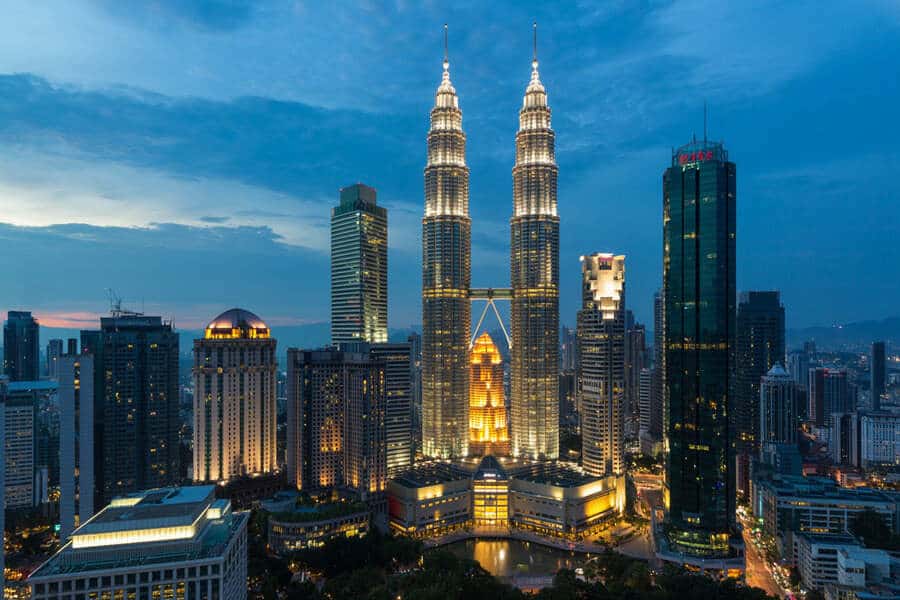
Malaysia strengthens its position as a leading Southeast Asian tourism hub as record Chinese outbound travel reshapes regional visitor flows, while Thailand, Vietnam, Indonesia, the Philippines and Myanmar experience contrasting shifts in arrivals, revenue patterns and competitive pressure across the fast-evolving Asia-Pacific tourism landscape.
Malaysia and regional neighbours including Thailand, Vietnam, China, Indonesia, Philippines and Myanmar experience major tourism shifts driven by rising Chinese travel demand.
Advertisement
Advertisement
Southeast Asia is undergoing one of the most significant tourism realignments in recent decades as Malaysia, Thailand, Vietnam, China, Indonesia, the Philippines and Myanmar collectively experience a sharp transformation in visitor flows. At the centre of this shift is a powerful surge in Chinese outbound travel, which is reshaping destination rankings, airline networks, tourism revenues and regional competition.
Malaysia has emerged as a standout performer, recording unprecedented growth in Chinese arrivals and strengthening its position as a leading tourism hub. At the same time, Thailand is facing a gradual slowdown in its once-dominant Chinese market, while Vietnam is rapidly expanding its international footprint. Indonesia and the Philippines continue to recover and scale up their tourism industries, while Myanmar remains constrained but strategically positioned within regional travel circuits. China, as the world’s largest outbound tourism market, continues to dictate the direction of travel demand across Asia.
Advertisement
Advertisement
Malaysia Tourism Surge Driven by Chinese Visitor Boom
Malaysia has become one of the strongest beneficiaries of shifting Chinese travel patterns. The country recorded approximately 4.7 million Chinese arrivals in the most recent year, reflecting a 25 per cent increase. This surge has significantly contributed to Malaysia’s overall tourism performance, which reached 42.2 million international arrivals.
Malaysia’s tourism revenue has also expanded sharply, reaching 110.6 billion ringgit, reflecting strong spending by international visitors, particularly from China. The country’s appeal lies in its strategic combination of affordability, cultural diversity, safety perception and strong connectivity with major Chinese cities.
Advertisement
Advertisement
Malaysia’s tourism infrastructure, including Kuala Lumpur International Airport and regional hubs, has enabled smooth passenger flows. The country’s multilingual environment and halal-friendly tourism offerings further enhance its appeal among Chinese and Asian travellers. Malaysia is now positioning itself as a high-value destination, moving beyond volume-based tourism toward premium travel experiences.
Thailand Facing Pressure Despite Strong Legacy Tourism Status

Thailand remains one of Southeast Asia’s most recognised tourism destinations, but its dominance in the Chinese market is showing signs of weakening. Once the leading destination for Chinese outbound travellers, Thailand is now facing a reduction in projected arrivals.
Thailand’s travel industry has revised its Chinese arrival forecast for 2026 from 9 million to 7 million, reflecting concerns around safety perceptions, rising travel costs and increasing competition from neighbouring countries. Although Thailand continues to attract millions of visitors annually, its reliance on traditional tourism hubs such as Bangkok, Phuket and Pattaya is being tested by shifting demand patterns.
Thailand’s tourism appeal remains strong in terms of culture, beaches and hospitality infrastructure, but the competitive pressure from Malaysia and Vietnam is gradually reshaping its market share in the region.
Vietnam Emerging as the Fastest Growing Tourism Market

Vietnam has rapidly transformed into one of the most dynamic tourism destinations in Asia. The country recorded approximately 21.2 million international arrivals, with China emerging as its largest source market.
Vietnam’s growth is driven by aggressive visa facilitation, affordable travel experiences and rapid expansion of coastal tourism destinations such as Da Nang, Nha Trang and Phu Quoc. The country is increasingly seen as a high-growth alternative to Thailand, especially among price-sensitive Chinese travellers.
Advertisement
Advertisement
Vietnam’s tourism model is heavily volume-driven, focusing on rapid infrastructure expansion and increasing airline connectivity. This strategy has positioned Vietnam as one of the fastest-growing tourism economies in the region, directly challenging Malaysia and Thailand in market share competition.
Indonesia Strengthening Its Island Tourism Appeal

Indonesia continues to maintain a strong position in Southeast Asia’s tourism landscape, largely driven by the global appeal of Bali. Chinese tourists remain an important segment of Indonesia’s inbound market, alongside visitors from Australia, India and Europe.
Indonesia’s tourism strategy focuses on island-based leisure, wellness tourism and cultural experiences. The country has invested heavily in improving infrastructure in key destinations such as Bali, Jakarta and Lombok.
Although Indonesia does not rely as heavily on Chinese tourists as Malaysia or Thailand, it remains a crucial player in the regional tourism ecosystem. Its large geographic diversity and expanding aviation network position it as a long-term growth market in Asia-Pacific tourism.
Philippines Recovering Through Beach and Leisure Tourism

The Philippines is gradually rebuilding its tourism industry, with strong emphasis on beach destinations such as Boracay, Cebu and Palawan. Chinese tourism to the Philippines has historically been strong, but political and connectivity factors have influenced fluctuations in visitor numbers.
Despite challenges, the Philippines continues to attract international travellers seeking tropical leisure experiences. The country’s tourism strategy focuses on restoring airline routes, improving airport infrastructure and expanding resort development.
Advertisement
Advertisement
The Philippines competes directly with Vietnam and Indonesia in the beach tourism segment, although its recovery pace remains uneven compared to its regional counterparts.
Myanmar’s Limited but Strategic Tourism Position

Myanmar’s tourism sector remains constrained due to geopolitical and infrastructural challenges, yet it continues to maintain a presence in regional travel flows. Historically, Chinese tourists have played a role in Myanmar’s border tourism and short-stay travel segments.
Tourism activity in Myanmar is currently limited compared to its neighbours, but its geographical proximity to China and Thailand ensures it remains part of broader regional tourism circuits. Myanmar’s long-term tourism potential remains dependent on stability, infrastructure development and international connectivity improvements.
China Driving the Entire Regional Tourism Shift

China remains the single most influential factor shaping tourism across Southeast Asia. With hundreds of millions of outbound trips annually, Chinese travellers are redefining destination hierarchies across the region.
Post-pandemic travel recovery has led to a strong resurgence in short-haul international travel from China. However, changing consumer behaviour is now influencing destination choice more than ever. Safety perception, travel costs, cultural familiarity and visa convenience are becoming key decision-making factors.
This shift has directly benefited Malaysia and Vietnam, while Thailand faces increased competition. Indonesia and the Philippines continue to capture niche segments, while Myanmar remains on the periphery of mainstream tourism flows.
Advertisement
Advertisement
China’s outbound tourism power ensures that any shift in Chinese travel preferences has immediate and significant impacts across Southeast Asia.
Regional Tourism Competition Intensifies Across Southeast Asia
The combined effect of rising Chinese travel demand and shifting destination preferences has created intense competition among Southeast Asian countries.
Malaysia is increasingly seen as a stable, high-value destination. Thailand is adapting to maintain its long-standing tourism leadership. Vietnam is aggressively scaling its tourism infrastructure. Indonesia is strengthening its leisure tourism identity. The Philippines is rebuilding its international appeal. Myanmar remains limited but strategically positioned.
This competitive environment is reshaping airline networks, hotel investments and government tourism strategies across the region.
Southeast Asia is entering a new phase of tourism evolution driven primarily by Chinese outbound travel. Malaysia has emerged as a major winner in this transformation, while Thailand faces adjustment pressures. Vietnam is rapidly scaling into a high-growth tourism market, Indonesia and the Philippines continue steady recovery, and Myanmar remains constrained but strategically relevant.
Malaysia leads a major tourism realignment in Southeast Asia as record Chinese outbound travel reshapes regional visitor flows, driving sharp growth in arrivals and revenues, while Thailand slows, Vietnam accelerates, and Indonesia, the Philippines and Myanmar adjust to shifting demand patterns across the Asia-Pacific travel market.
At the centre of this entire shift is China, whose outbound tourism demand continues to redefine global travel flows. As competition intensifies, Southeast Asia is becoming one of the most dynamic and fast-changing tourism regions in the world, with each country adapting to capture a share of this powerful visitor movement.
Advertisement
