

Canada’s Celtic Colours Festival Spreads New Autumn Tourism Across Cape Breton

Published
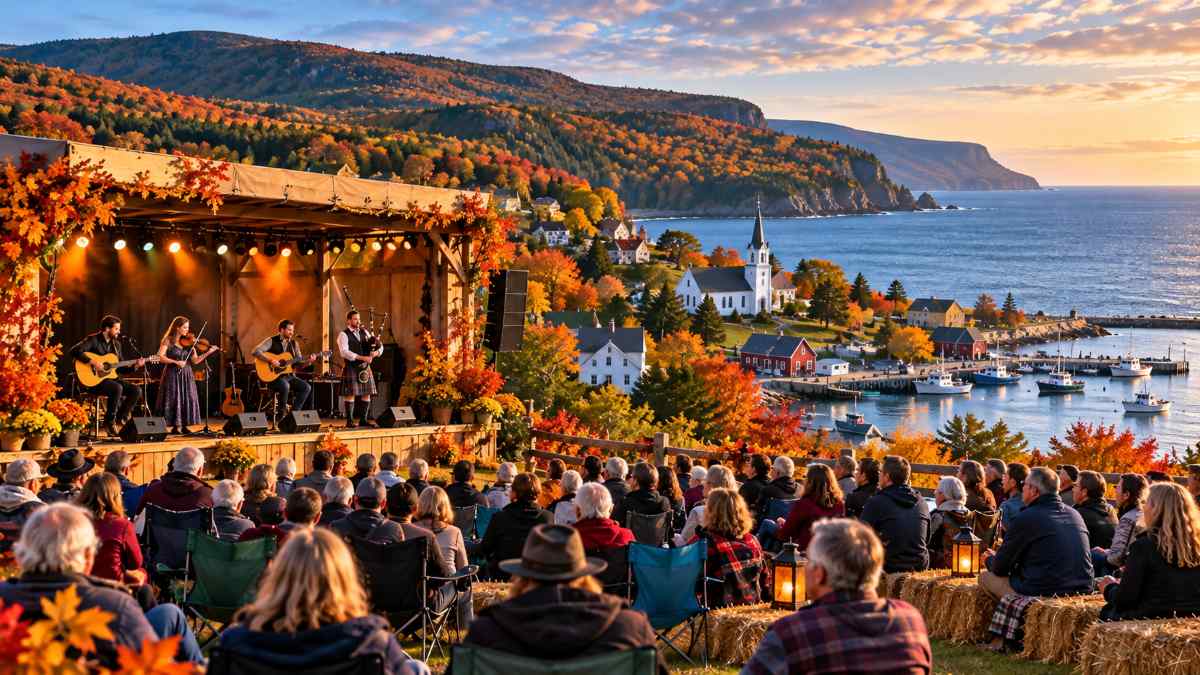
The 30th anniversary of the Celtic Colours International Festival is scheduled to welcome tourists from around the world to Cape Breton Island, Canada, with its nine-day music, culture and community festival from October 9 to 17, 2026. The Celtic Colours International Festival is organized at a time when the area experiences fall foliage. The festival offers visitors an array of traditional performances, food, cultural activities, and outdoor events in various communities across Nova Scotia. The weekend of October 10 and 11 is part of a program which goes beyond organizing a festival at one venue. As a matter of fact, organizers have arranged 52 concerts in 36 communities which includes performances at churches, theaters, schools, community halls, and cultural centers. The festival was opened in Port Hawkesbury on October 9 and will be closed with a concert at Center 200 in Sydney on October 17. The distribution of festivals provides the festival-goers with many reasons for visiting different places on the island and not concentrating their visit to a single place. This way of organizing a cultural event is quite specific to Cape Breton Island.
Rural Communities Become the Festival’s Main Stages
Celtic Colours is different from festivals organised around a single concert arena or city centre. Its programme moves across Cape Breton, bringing visitors into communities that may not usually feature prominently on international travel itineraries.
Advertisement
Advertisement
The 2026 schedule includes performances in St. Ann’s, Inverness, Chéticamp, Baddeck, Glace Bay, Louisbourg, Mabou, Sydney and several smaller settlements. The venues range from historic churches and community halls to established theatres and modern performance facilities.
On October 10, concerts are scheduled in Inverness, Christmas Island, Big Pond, Wagmatcook, Boularderie and Glace Bay. The following day, performances include an afternoon concert at Colaisde na Gàidhlig, also known as the Gaelic College, in St. Ann’s, alongside events in L’Ardoise, Chéticamp, Louisbourg, Sydney, Boisdale and Whycocomagh.
Advertisement
Advertisement
This geographical spread is central to the festival’s identity. Rather than presenting Cape Breton’s culture as a single attraction, it connects visitors with the people, venues and local traditions that sustain it.
The Gaelic College Adds a Cultural Anchor
Colaisde na Gàidhlig in St. Ann’s is among the festival’s important locations. The institution is closely associated with Gaelic language, music and cultural education, making it a natural setting for performances and community activities.
Advertisement
Advertisement
Its programme during the opening weekend includes a concert by the Cape Breton Fiddlers’ Association on October 11, followed by a community Thanksgiving dinner. The venue also hosts the late-night Festival Club, where musicians gather for informal performances and sessions after evening concerts.
For visitors, this creates an opportunity to experience traditional music in a setting connected to the island’s cultural heritage. It also encourages overnight stays and additional spending in nearby communities.
Advertisement
Advertisement
The festival’s wider programme includes workshops, demonstrations, storytelling, guided outdoor activities, traditional meals and opportunities to explore local crafts. These experiences give travellers more ways to engage with Cape Breton beyond attending scheduled concerts.
Festival Tourism Delivers Measurable Economic Activity
The economic significance of Celtic Colours extends beyond ticket sales. Accommodation, restaurants, transport operators, local food producers and cultural businesses all form part of the visitor economy supported by the festival.
The organisers report that the 2025 edition generated C$18.2 million in total economic activity across Nova Scotia, including nearly C$15.8 million directly in Cape Breton. The figure was recognised through an Economic Impact Award from the Cape Breton Partnership in 2025.
That result provides a useful indication of the festival’s contribution, although it should not be treated as a forecast for 2026. The current edition’s economic impact will depend on visitor numbers, accommodation demand, spending patterns and the length of visitors’ stays.
Advertisement
Advertisement
The festival’s distributed structure allows smaller communities to participate in that activity. Visitors attending a concert in a rural hall may also use local restaurants, book nearby accommodation, purchase regional products or explore surrounding attractions.
For independent operators, this can provide additional business during October, when the autumn season offers a strong reason for visitors to explore the island.
Autumn Foliage Adds to Cape Breton’s Appeal
Celtic Colours takes place during one of Cape Breton’s most visually distinctive periods. As autumn colours spread across the island, the journey between concert venues becomes part of the visitor experience.
The Cabot Trail is among the region’s best-known scenic routes, offering coastal views, forested landscapes and access to communities around Cape Breton Highlands National Park. Visitors can combine festival performances with drives through the highlands, guided walks and stops at local viewpoints.
The Bras d’Or Lake area also offers opportunities to experience the island’s coastal landscapes and communities. Baddeck, on the lake’s shore, is a useful base for visitors exploring the central part of Cape Breton.
The festival’s combination of music and seasonal scenery gives travellers a reason to extend their stay. However, the supplied Destination Canada estimate of an average 5.8-night visit specifically linked to this festival could not be verified and should not be treated as an established figure.
Planning a Festival Visit to Cape Breton
Sydney Airport serves the regional air links to Cape Breton Island, whereas Halifax Stanfield International Airport has more domestic and international links available. Festival participants can use roads from Halifax to the island, taking several hours depending on the destination and the level of traffic. Car rental is convenient for the festival visitors as concerts are organised in communities located all over the island. Those who travel by public transportation need to pay attention to the links between different small communities, as they can be limited. Possible accommodations include hotels, inns, guesthouses, and local accommodations. It is recommended to book accommodation beforehand since the festival will attract many people and there is a chance that not all visitors will be able to get the needed accommodation. For the autumn tourist season in Canada, Celtic Colours proves how the cultural festival can help to distribute tourists’ visits throughout the country and even beyond.
Advertisement
