

Canada Invests $35,000 in Algoma Fall Festival to Expand Indigenous Arts and Cultural Tourism

Updated
Published
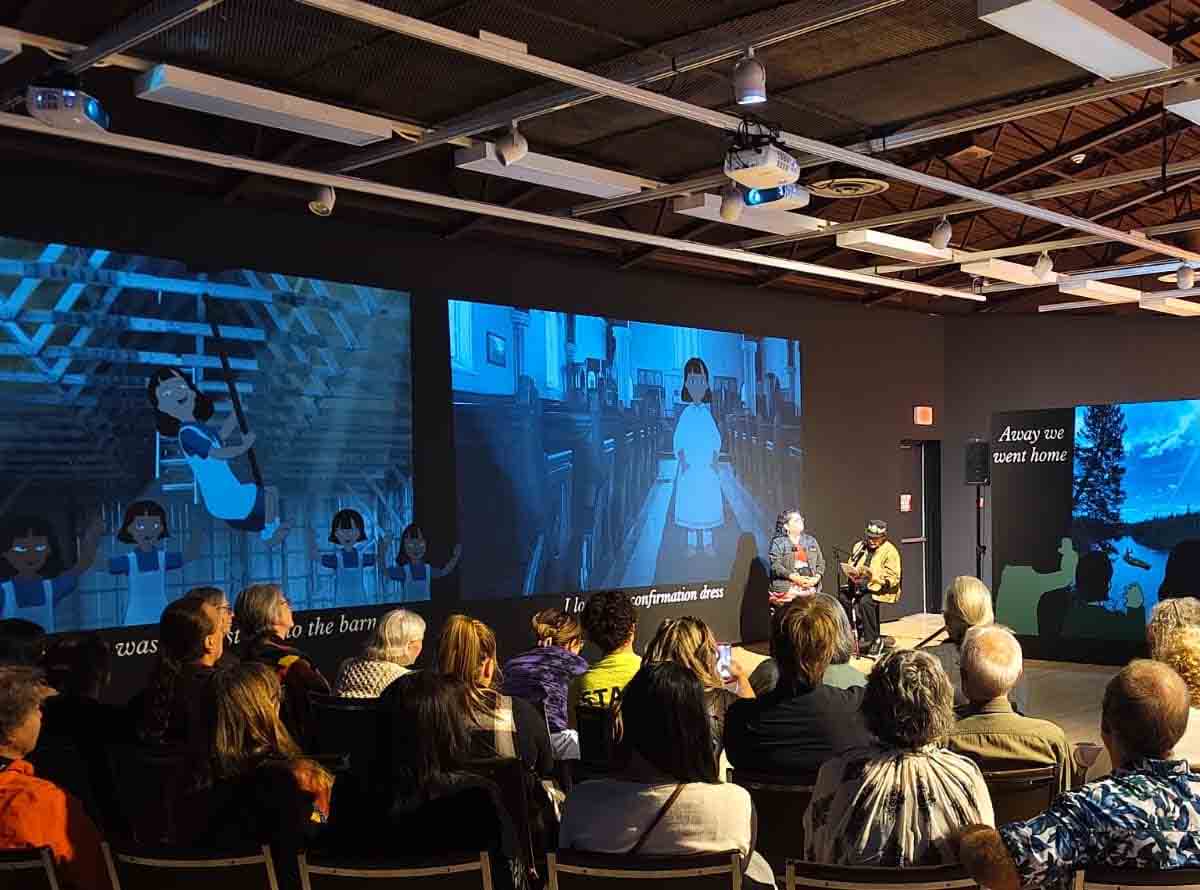
Canada Invests $35,000 in Algoma Fall Festival to Expand Indigenous Arts and Cultural Tourism, strengthening Northern Ontario’s autumn visitor economy. Announced through FedNor, the funding will support Indigenous and Métis artists, expanded performances and destination marketing, helping Sault Ste. Marie attract visitors while celebrating cultural heritage and community connections.
Canada is strengthening its cultural tourism industry with a new federal investment of $35,000 in the 2026 Algoma Fall Festival, supporting expanded Indigenous arts programming, visitor promotion and community engagement in Northern Ontario. The funding aims to attract more tourists to Sault Ste. Marie while celebrating the region’s artistic traditions and cultural heritage.
The investment, announced on 9 October 2026 by Terry Sheehan, Member of Parliament for Sault Ste. Marie—Algoma, on behalf of Patty Hajdu, Minister responsible for the Federal Economic Development Agency for Northern Ontario (FedNor), will support the 53rd edition of the annual festival.
The funding will allow the Algoma Arts Festival Association to introduce additional Indigenous cultural activities, strengthen marketing campaigns and showcase artists whose work reflects the region’s diverse heritage.
Advertisement
Advertisement
The announcement highlights the Canadian Government’s efforts to connect cultural preservation with regional economic development, particularly in communities where tourism supports local businesses, accommodation providers and cultural organisations.
Federal Funding Supports the Expansion of a Major Ontario Cultural Festival
The $35,000 contribution will be delivered through FedNor’s Northern Ontario Development Program (NODP), which supports community development, economic diversification and employment opportunities across the region.
Advertisement
Advertisement
The investment will help organisers expand the festival’s programming while improving its ability to reach visitors from outside Sault Ste. Marie.
The Algoma Fall Festival has established itself as an important part of Northern Ontario’s cultural calendar. Held annually in October, it brings together musicians, performers, visual artists and audiences interested in Canadian arts and heritage.
Advertisement
Advertisement
For tourism businesses, the expansion provides an opportunity to promote Sault Ste. Marie as a destination for autumn cultural experiences.
The additional marketing resources are intended to increase the festival’s visibility and encourage visitors to discover the city’s cultural attractions alongside its wider tourism offerings.
Although the Government has not published a specific visitor growth target for the investment, the funding demonstrates its commitment to strengthening established regional events.
Indigenous Arts and Métis Heritage Take Centre Stage
One of the most significant developments for the 2026 Algoma Fall Festival is the expansion of Indigenous cultural programming.
Advertisement
Advertisement
The initiative will feature nationally recognised Indigenous and Métis artists, offering audiences opportunities to engage with artistic traditions, contemporary creative work and cultural storytelling.
A central element is Maada’ookiidaa – Let’s Share Our Gifts, a programme guided by the festival’s Indigenous Advisory Group.
The initiative seeks to create opportunities for cultural exchange, education and greater understanding of Indigenous experiences.
Through concerts, visual arts exhibitions and related activities, the festival aims to provide a platform for Indigenous artists to share their perspectives with local communities and visiting audiences.
The programme also supports broader efforts towards truth, reconciliation and the preservation of Indigenous cultural heritage.
For travellers interested in meaningful cultural experiences, the initiative offers an opportunity to encounter Indigenous artistic expression through a community-led event.
Advertisement
Advertisement
Its success will depend not only on attracting visitors but also on ensuring that Indigenous artists and communities remain central to how their stories are presented.
Sault Ste. Marie Strengthens Its Position as an Autumn Tourism Destination
Located in Northern Ontario, Sault Ste. Marie serves as a gateway to the Algoma region, an area known for its natural landscapes, cultural history and outdoor recreation opportunities.
The Algoma Fall Festival contributes to the city’s autumn visitor economy by offering arts programming during a season associated with changing forest colours and scenic travel.
Visitors attending festival performances can also explore the region’s museums, waterfront attractions, historic sites and natural surroundings.
This combination of cultural activities and outdoor experiences gives Sault Ste. Marie an opportunity to appeal to different traveller segments.
For example, visitors interested in music and theatre may extend their stay to experience local heritage attractions, while those planning autumn sightseeing trips may incorporate festival events into their itineraries.
Advertisement
Advertisement
The expanded programming could encourage additional overnight visits, although no forecast for accommodation demand or tourism spending has been announced.
The festival’s continued development is particularly relevant to smaller Canadian destinations seeking to diversify their tourism offerings beyond traditional outdoor activities.
Concerts, Exhibitions and Educational Activities Broaden Visitor Experiences
The 2026 festival will combine its established programme with additional Indigenous-focused activities.
According to the federal announcement, the event will include concerts, a visual arts exhibition and other cultural experiences.
Traditional programming will comprise approximately six ticketed and non-ticketed events, alongside speakers and a range of performers.
The availability of both paid and free activities can help make the festival accessible to different audiences, including families, local residents and visitors travelling on varied budgets.
Advertisement
Advertisement
Beyond public performances, the Algoma Fall Festival also maintains an arts education and outreach programme known as the Festival of Learning.
This educational component extends the festival’s role beyond entertainment by connecting communities with artists and creative learning opportunities.
Such programming can be particularly valuable for regional cultural tourism because it encourages deeper engagement with a destination’s identity.
Rather than focusing exclusively on major performances, the festival provides opportunities for audiences to explore the artistic and cultural influences that shape Northern Ontario.
Cultural Tourism Investment Creates Opportunities for Local Businesses
Cultural festivals can contribute to regional tourism economies by encouraging spending across several sectors.
Visitors travelling to Sault Ste. Marie for the Algoma Fall Festival may require hotel accommodation, restaurant services, local transport and other visitor facilities.
Advertisement
Advertisement
This creates potential opportunities for hospitality businesses, independent retailers and tourism operators.
Festival-related marketing can also introduce the destination to travellers who may not previously have considered Northern Ontario for a cultural holiday.
For smaller communities, this type of exposure is important because tourism demand often concentrates around established attractions or peak travel periods.
By strengthening a long-running October event, the federal investment could help broaden the range of reasons visitors choose to travel to the Algoma region.
However, the actual economic return will depend on attendance, visitor spending and the proportion of festivalgoers travelling from outside the area.
The announcement does not provide projected job creation figures or an estimated economic impact.
Advertisement
Advertisement
Canadian Government Highlights Tourism and Cultural Preservation
Federal officials have emphasised the connection between tourism development and cultural identity.
Patty Hajdu described tourism as a critical industry for Northern Ontario, highlighting the region’s history, cultural resources and opportunities for community development.
The Government considers established cultural events important because they can bring communities together while generating interest from domestic and international visitors.
Terry Sheehan similarly highlighted the Algoma region’s combination of wilderness experiences, historical attractions and cultural activities.
The funding also reflects the objectives of FedNor’s Northern Ontario Development Program, which invests in projects designed to strengthen regional economic resilience.
For the Algoma Arts Festival Association, the contribution provides resources to expand artistic programming while maintaining the event’s longstanding community role.
Advertisement
Advertisement
Executive Director Donna Hilsinger has highlighted the importance of Indigenous participation, cultural learning and reconciliation in shaping the festival’s development.
The organisation’s approach positions the event as both a cultural celebration and a platform for community dialogue.
A Longstanding Festival Builds on Its Cultural Legacy
The Algoma Fall Festival traces its origins to 1972 and has developed into a multidisciplinary arts celebration.
Its programming has included music, theatre, dance, visual arts and educational activities, helping establish the festival as a recurring feature of Sault Ste. Marie’s cultural calendar.
The 2026 edition builds on this history while introducing new opportunities for Indigenous artistic representation.
For returning visitors, the expanded programme offers additional reasons to attend. For first-time travellers, it provides an introduction to the creative traditions and contemporary cultural life of Northern Ontario.
Advertisement
Advertisement
The festival’s longevity also gives it an established identity that can support destination marketing.
Unlike newly launched events, longstanding festivals benefit from community relationships, existing audiences and experience in delivering cultural programming.
The federal contribution is intended to build on those foundations rather than replace the event’s traditional character.
“Canada’s investment in the Algoma Fall Festival demonstrates how cultural celebrations can strengthen regional tourism while honouring Indigenous heritage. By connecting artistic expression with visitor experiences, Northern Ontario can attract culturally curious travellers, support local businesses and showcase authentic traditions that make destinations memorable, inclusive and economically resilient.”— Anup Kumar Keshan, Founder and Editor-in-Chief, Travel And Tour World
What the Investment Means for Canadian Tourism
Canada’s $35,000 investment illustrates how relatively targeted public funding can support the development of regional cultural tourism.
The Algoma Fall Festival combines several priorities relevant to the wider visitor economy: destination promotion, community participation, cultural education and Indigenous artistic representation.
Advertisement
Advertisement
For Sault Ste. Marie, the immediate opportunity lies in presenting an expanded autumn event to a broader audience.
For Northern Ontario, the festival provides another example of how arts and heritage can complement the region’s established outdoor tourism appeal.
As the 2026 edition develops, its ability to attract visitors while maintaining meaningful community participation will be important to its longer-term success.
The investment reinforces the role of cultural festivals in helping Canadian destinations share their heritage, support artists and create new opportunities for tourism-led regional development.
Canada’s investment in the 2026 Algoma Fall Festival strengthens opportunities for Indigenous cultural expression, regional tourism promotion and community engagement. By supporting artistic performances, exhibitions and expanded marketing, the initiative could attract additional visitors to Sault Ste. Marie while reinforcing Northern Ontario’s reputation as a destination for meaningful cultural experiences.
Official sources: Federal Economic Development Agency for Northern Ontario | Northern Ontario Development Program | Algoma Fall Festival
Advertisement
