
Guatemala Teams Up with Honduras, El Salvador and Nicaragua in Introducing Digital Border Arrangements to Anchor New Central American Travel Corridor

Updated
Published
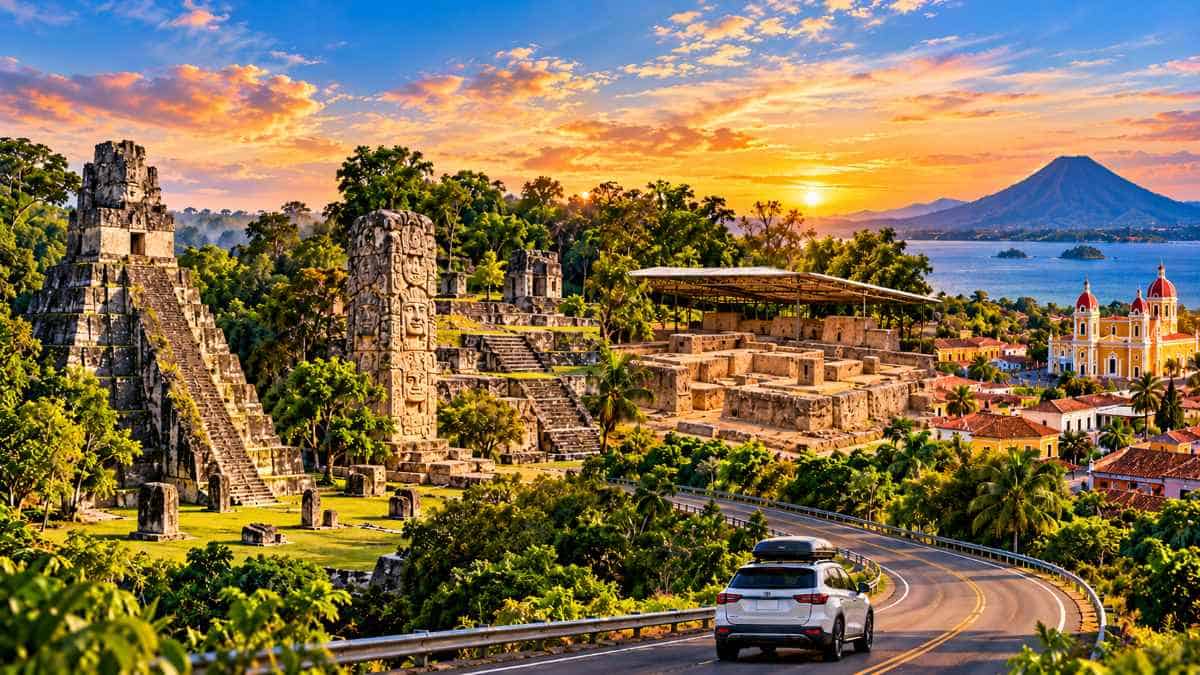
Guatemala Teams Up with Honduras, El Salvador and Nicaragua in Introducing Digital Border Arrangements to Anchor New Central American Travel Corridor. In Guatemala, the archaeological sites of Tikal, Copán in Honduras and Joya de Cerén in El Salvador have been identified as key destinations in a new cultural tourism corridor in Central America in line with an upgrade of the Central America-4 (CA-4) border agreement. Guatemala, Honduras and El Salvador are pushing forward this project together with Nicaragua as the fourth participant of this regional border control pact in view of the implementation of a harmonized digital transit permit, which will be implemented on 16 October 2026. Under this program, eligible foreign tourists visiting any of the four countries involved will get an electronic travel authorization valid in the four states. The aim is to avoid the manual stamping of passports at borders and to reduce the delays related to the permitting process of vehicles during such cross-country trips. In terms of tourism, this project focuses specifically on joining three important archaeological sites.
Tikal, Copán and Joya de Cerén Form the Cultural Route
The proposed digital corridor connects three archaeological destinations that offer different perspectives on the history and everyday life of ancient Mesoamerican communities.
Advertisement
Advertisement
In Guatemala, Tikal is among the most prominent archaeological attractions in Central America. Located within the country’s northern Petén region, the ancient Mayan city is recognised for its monumental temples, ceremonial complexes and extensive remains surrounded by tropical rainforest. Its UNESCO World Heritage status and distinctive landscape make it an important destination for international cultural and nature-based tourism.
Honduras contributes Copán, another significant Mayan archaeological centre located near the country’s western border with Guatemala. The site is particularly recognised for its sculpted stone monuments, hieroglyphic stairway, ceremonial plazas and architectural remains. Its historical significance makes it an important destination for visitors interested in ancient Mayan civilisation and archaeological exploration.
Advertisement
Advertisement
El Salvador adds Joya de Cerén to the proposed circuit. Recognised as a UNESCO World Heritage Site, the archaeological settlement preserves evidence of everyday life in a pre-Hispanic farming community. Often associated with the preservation of ordinary domestic structures, the site offers visitors a different understanding of ancient Mesoamerican society beyond monumental ceremonial architecture.
Together, the three destinations provide a varied cultural itinerary covering monumental cities, royal history and everyday community life.
Advertisement
Advertisement
Digital Permits Aim to Simplify Overland Travel
The modernised CA-4 arrangement centres on a synchronised electronic travel authorisation covering eligible journeys across Guatemala, Honduras, El Salvador and Nicaragua.
Traditionally, international visitors undertaking multi-country road trips must navigate the applicable border procedures of each destination, including immigration checks and vehicle documentation requirements. The proposed digital framework aims to reduce repeated administrative steps by allowing relevant travel information to be synchronised across participating authorities.
For visitors, this could make it easier to organise longer road journeys connecting archaeological sites, historic towns and natural attractions across the region.
A traveller arriving in Guatemala, for example, could plan an itinerary incorporating Tikal before continuing towards Copán in Honduras and Joya de Cerén in El Salvador, subject to the permitted routes and individual entry conditions.
The inclusion of Nicaragua also extends the framework beyond the three principal heritage destinations, providing access to another important Central American tourism market.
However, the digital authorisation should not be interpreted as unrestricted entry or a replacement for all national immigration requirements. Nationality-based eligibility, permitted stays, passport conditions and vehicle regulations will continue to determine the practical arrangements for visitors.
Advertisement
Advertisement
Nicaragua Adds Another Dimension to Regional Tourism
Although the principal cultural route highlights destinations in Guatemala, Honduras and El Salvador, Nicaragua’s participation brings additional tourism opportunities into the wider CA-4 framework.
The country offers visitors a combination of colonial architecture, volcanic landscapes, lakes and nature-based experiences. Granada attracts tourists through its historic streets and colourful architecture, while León provides access to important cultural landmarks and nearby volcanic landscapes.
Lake Nicaragua, Ometepe Island and the country’s Pacific coastline offer further opportunities for adventure and nature tourism.
For international visitors, the expanded border arrangement could make it easier to combine archaeological exploration with longer journeys through Central America’s cultural and natural landscapes.
Regional Tourism Benefits from Longer Heritage Stays
The participating tourism boards project that simplified overland movement could double multi-country heritage tourism stays. The projection reflects the initiative’s focus on encouraging visitors to explore more than one destination during a single regional holiday.
Longer itineraries could generate additional demand for accommodation, local transport, guided archaeological tours, restaurants and community-based tourism services.
Advertisement
Advertisement
Smaller towns located near archaeological sites could also benefit from increased visitor spending, particularly where local businesses provide accommodation, cultural experiences and guided excursions.
Tour operators may find opportunities to develop packages connecting Mayan archaeological attractions with colonial cities, national parks and rural communities.
Implementation Scheduled for October 2026
The advanced version of the CA-4 digital transit agreement will be in effect from 16 October 2026. The success of this arrangement will be contingent upon the electronic authorisation system, relevant border authorities, eligible visitors, and processes concerning the crossing of international borders by vehicles. Road travellers intending to travel through Guatemala, Honduras, El Salvador, and Nicaragua should ensure that they have complied with all the visa requirements, travel conditions, vehicle regulations, and routes allowed. This new arrangement ensures that four Central American countries are in a more organised travel arrangement, with Tikal, Copán, and Joya de Cerén being the focal point of a tourism network.
Advertisement
