
Brazil and Argentina Restrict Iguazú Falls Walkways as Floodwaters Reach Ten Times Normal Flow

Published
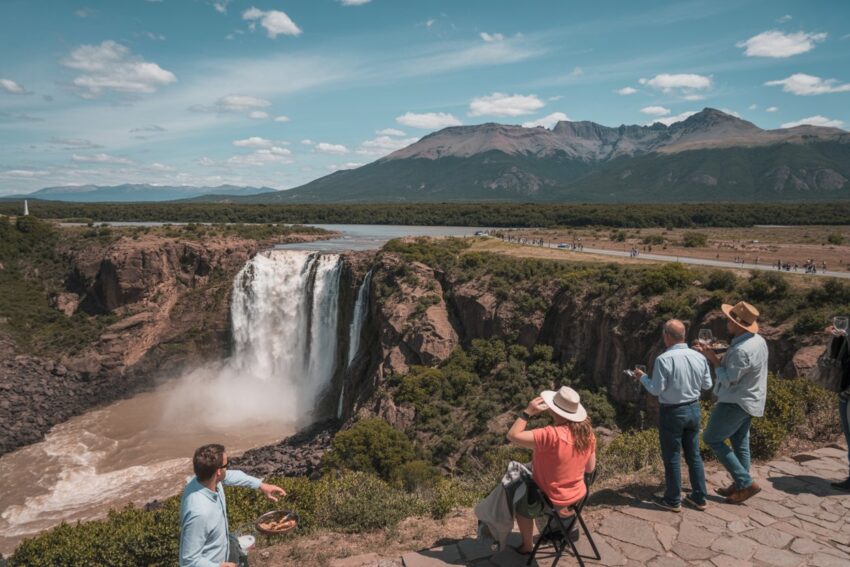 Image generated with Ai
Severe rainfall linked to El Niño has triggered major safety restrictions at Iguazú Falls along the Brazil–Argentina border, after the river’s flow climbed to more than ten times its usual volume in October 2026. Authorities closed key tourist walkways, including access near the famous Devil’s Throat, as water levels reached approximately 15.7 million litres per second on 14 October. Despite the flooding, both national parks have continued to offer access to other attractions, although some routes remain restricted.
Iguazú Falls Records Extraordinary Water Surge Following Heavy Rainfall
One of South America’s most famous natural attractions has experienced an extraordinary increase in water volume following days of intense rainfall across the Iguaçu River basin.
At Iguazú Falls, which straddles the border between Brazil and Argentina, the usually powerful waterfalls became significantly stronger as floodwater moved downstream.
According to Foz do Iguaçu’s municipal tourism authority, the river was carrying approximately 15.7 million litres of water per second at 10 am on 14 October 2026. That was roughly 10.5 times the historical average of 1.5 million litres per second.
Advertisement
Advertisement
The surge led park operators to introduce safety measures designed to protect visitors and vulnerable infrastructure.
Although the water volumes were exceptional, they did not establish a new all-time record. The river experienced substantially higher flows during the major flooding of 2014.
Advertisement
Advertisement
The latest flooding has been associated with intense regional rainfall and El Niño conditions, which can influence precipitation patterns across parts of South America.
The central concern for tourism authorities is the safety of visitors using viewing platforms, pedestrian bridges and riverside paths exposed to the powerful current.
Advertisement
Advertisement
Brazil Closes Key Tourist Walkways as Floodwaters Threaten Visitor Safety
On the Brazilian side of Iguazú Falls, park authorities restricted access to the main viewing walkway on 11 October after the river’s flow rose to approximately 8.8 million litres per second.
The situation intensified over the following days. On 13 October, the park operator, Urbia+Cataratas, began removing protective railings from the walkway to reduce pressure from the rising current.
The measure formed part of established flood-response procedures. Removing the railings allows water to pass through the structure with less resistance, helping limit potential damage.
Additional attractions, including the São João Circuit, Espaço Usina and riverside paths vulnerable to flooding, were temporarily closed.
Advertisement
Advertisement
However, the Brazilian national park did not shut completely. The main Waterfalls Trail and viewing areas cleared for public access remained available.
Park officials continued monitoring the river to determine when restricted sections could safely reopen.
Argentina Maintains Alternative Tourist Routes Following Devil’s Throat Restrictions
On the Argentine side, authorities had already taken preventive action before the latest October flooding.
Argentina’s National Parks Administration confirmed that sections of the Garganta del Diablo, or Devil’s Throat, walkway were dismantled in August 2026 to protect the infrastructure against anticipated river surges.
The operation followed forecasts associated with El Niño and formed part of a wider flood-risk management strategy.
The administration subsequently reported that several high-water events had occurred after the walkway sections were removed, demonstrating the importance of the preventive measures.
Advertisement
Advertisement
Despite restrictions affecting the Devil’s Throat circuit, other established attractions remained available under the park’s published operating arrangements.
These included the Upper Circuit, Lower Circuit, Green Trail and selected nature routes.
The available official information therefore distinguishes between restrictions on individual attractions and a complete shutdown of the national park.
Iguazú Falls Flooding in October 2026 – Key Figures and Travel Restrictions
| Category | Reported information |
|---|---|
| Location | Iguazú Falls, Brazil–Argentina border |
| Main cause | Intense rainfall, associated with El Niño conditions |
| Historical average flow | 1.5 million litres per second |
| Reported flow, 11 October | 8.8 million litres per second |
| Reported flow, 14 October | Approximately 15.7–15.8 million litres per second |
| Increase above normal | Approximately 10.5 times |
| Brazilian walkway closure | Began 11 October |
| Brazilian railing removal | Began 13 October |
| Argentine Devil’s Throat circuit | Walkway sections removed preventively in August |
| Park-wide visitor access | Both parks retained alternative visitor routes, subject to safety restrictions |
| Reopening arrangements | Dependent on river conditions and technical approval |
El Niño Conditions Increase Flooding Concerns Across the Region
The October flooding has also drawn attention to the wider influence of El Niño on weather patterns in South America.
El Niño develops when unusually warm ocean temperatures in the central and eastern tropical Pacific alter atmospheric circulation. These changes can affect rainfall across different regions.
In parts of southern South America, El Niño conditions are associated with an increased likelihood of unusually wet weather.
Advertisement
Advertisement
Argentina’s National Parks Administration has incorporated this risk into its emergency planning for the 2026–2027 El Niño period.
The agency has worked with other public authorities to coordinate flood preparedness and protect vulnerable park infrastructure.
The latest surge at Iguazú Falls illustrates why monitoring rainfall across the wider river basin is essential. Heavy precipitation upstream can substantially increase the volume of water reaching the waterfalls.
Although El Niño provides an important climate context, the immediate rise in river flow followed intense rainfall across the catchment area.
What Tourists Should Know Before Visiting Iguazú Falls
For tourists visiting Foz do Iguaçu in Brazil or Puerto Iguazú in Argentina, the flooding has created practical challenges rather than eliminating every sightseeing opportunity.
Visitors should distinguish between the national parks being open and individual trails being accessible.
Advertisement
Advertisement
Travellers planning a visit should consider the following precautions:
- Check the latest official park announcements before travelling.
- Confirm whether the Devil’s Throat viewing areas are accessible.
- Follow instructions from park staff and respect temporary barriers.
- Allow flexibility in sightseeing schedules because river conditions can change.
- Avoid assuming that previously closed walkways have reopened without official confirmation.
- Use alternative viewing trails only when park authorities have declared them safe.
The Brazilian park operator has explained that reopening the affected walkway requires the water flow to fall to a safe level, followed by technical checks and approval from a qualified engineer.
This means a decline in the river’s flow does not automatically result in the immediate reopening of tourist infrastructure.
Safety Inspections Will Determine When Closed Attractions Reopen
The flooding has highlighted the importance of precautionary infrastructure management at one of South America’s best-known natural attractions.
Both countries have taken measures to reduce risks from exceptionally high river levels, although their approaches have differed.
Brazilian operators temporarily closed vulnerable walkways and removed railings to reduce pressure on the structure.
Advertisement
Advertisement
Argentine authorities had earlier dismantled sections of the Devil’s Throat walkway in anticipation of extreme conditions.
As river levels change, officials must assess whether affected infrastructure can safely accommodate visitors again.
Until those checks are completed, tourists should expect access to individual attractions to remain subject to official safety decisions.
Conclusion – Brazil and Argentina Restrict Iguazú Falls Walkways as Floodwaters Reach Ten Times Normal Flow
Brazil and Argentina have restricted access to Iguazú Falls walkways after heavy rainfall pushed floodwaters to more than ten times their normal flow during October 2026.
The exceptional surge forced precautionary closures at major viewing areas, including routes associated with the Devil’s Throat, while both countries worked to protect visitors and infrastructure.
Although alternative sightseeing opportunities have remained available, the situation demonstrates how rapidly intense rainfall and El Niño-related conditions can affect tourism at major natural attractions.
The next important development will be the safe reopening of restricted walkways following lower river levels, infrastructure inspections and approval from the responsible authorities.
Advertisement
