
Ryanair and EasyJet Travel Upgrade Secret Exposed as The Right Seat Choice Unlocks Extra Legroom

Published
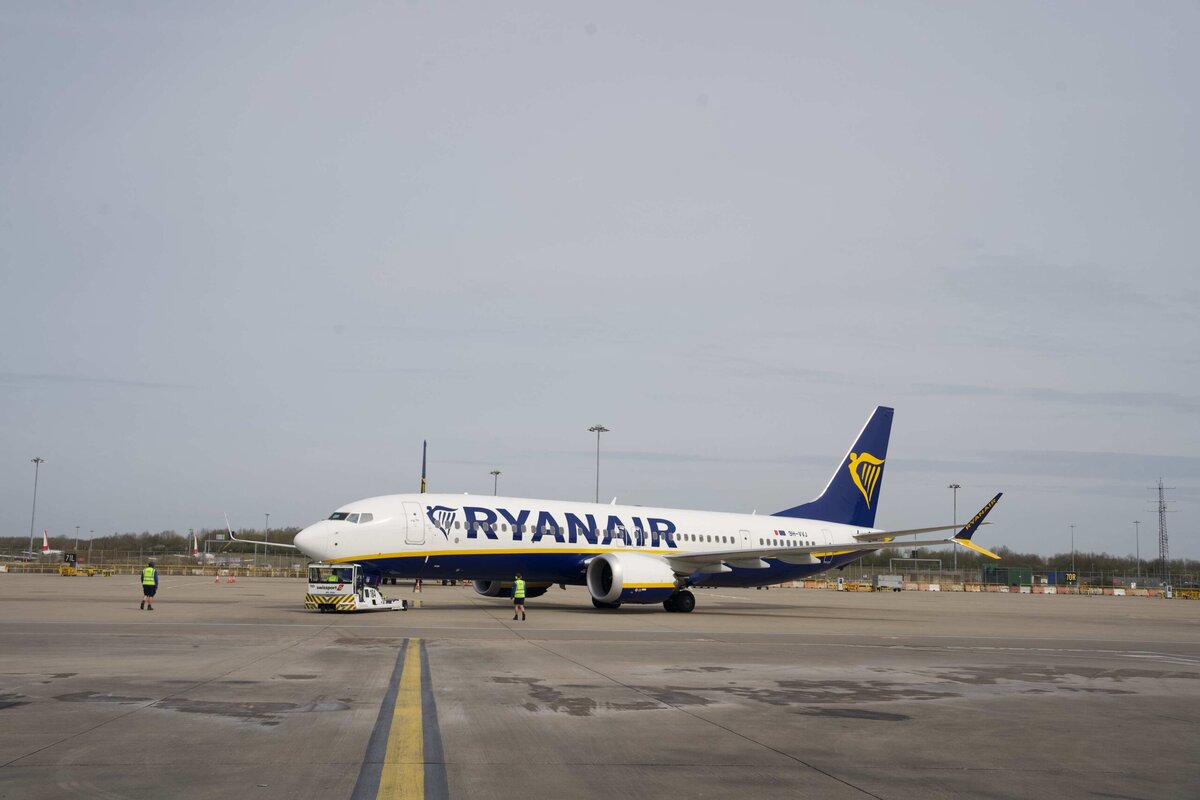
Image generated with Ai
Passengers can select seating in the most spacious areas of the aircraft for an airfare surcharge on Ryanair and EasyJet. Cheap carriers like Ryanair and EasyJet have dramatically lowered short-haul prices within Europe and amplified the ability for a majority of passengers to fly at low prices; however, lower prices have intended negative consequences such as transportation where passengers have less personal space and less legroom.
For travellers hoping to make a budget flight slightly more comfortable, seat selection could make a bigger difference than many realise. Depending on the aircraft operating the journey, choosing one side of the cabin rather than the other may provide additional legroom without requiring passengers to upgrade to a more expensive premium seat.
Advertisement
Advertisement
The key is knowing the aircraft type before choosing a seat.
Budget Airlines Continue to Carry Millions of Travellers
Low-cost airlines remain a major force in European aviation. Their networks connect hundreds of cities and holiday destinations while allowing passengers to travel at prices that can be considerably lower than traditional full-service carriers.
Advertisement
Advertisement
Ryanair is Europe’s largest airline by passenger numbers and carries around 200 million passengers annually. Its extensive network operates approximately 3,800 flights every day.
EasyJet is another major player in the European low-cost market. The airline carried 93.4 million passengers during its 2025 financial year. That represented an increase of 4.2% compared with the previous financial year.
Advertisement
Advertisement
These figures highlight the huge demand for affordable air travel.
Passengers frequently choose budget airlines for weekend breaks, beach holidays, city escapes and short visits across Europe. For many people, keeping the ticket price low is more important than receiving additional services.
That approach has helped low-cost aviation expand rapidly.
Cheap Flights Do Not Always Mean Comfortable Flights
Budget airlines generally structure their cabins around efficiency. More seats can allow airlines to carry more passengers while keeping operating costs and ticket prices competitive.
However, travellers may notice that personal space can be limited.
Legroom is particularly important for taller passengers, people travelling for several hours and anyone who wants to avoid feeling cramped during a flight.
Advertisement
Advertisement
Premium seats, exit-row seats and front-row seating can sometimes provide more space, but these options may come with additional charges.
There could, however, be another way to find slightly more room.
The amount of space available can depend on the exact aircraft configuration and where a passenger sits inside the cabin.
Choosing the Right Side Could Make a Difference
Seat layout information suggests that passengers on certain aircraft may receive slightly more legroom by selecting seats on the right-hand side of the cabin.
The difference is not necessarily dramatic, but even a small increase in space can make a noticeable difference during a busy short-haul flight.
On many Ryanair services, travellers will be flying aboard Boeing 737 aircraft.
Advertisement
Advertisement
For these aircraft, passengers looking for greater legroom may benefit from considering seats D, E or F between rows 3 and 15.
These seats are positioned on the right-hand side of the cabin.
The seating arrangement means that passengers in these locations may receive more usable legroom than travellers sitting in equivalent areas elsewhere on the aircraft.
For people already planning to pay for advance seat selection, checking these rows could therefore help them get better value from their booking.
EasyJet Passengers Can Also Check Their Aircraft
EasyJet travellers may find a similar seating advantage, but the recommendation depends heavily on the aircraft operating the flight.
Passengers travelling aboard an Airbus A321neo can consider seats D, E or F between rows 3 and 13.
Advertisement
Advertisement
These seats may provide approximately one additional inch of legroom compared with seats in rows 3 to 17 on the left-hand side of the same aircraft.
An extra inch may sound small, but space becomes valuable when passengers are sitting in the same position for several hours.
The difference can be particularly useful for travellers who want greater comfort without paying considerably more for specialised seating.
Aircraft Type Is the Most Important Detail
Travellers should not assume the same seat-selection strategy will work on every flight.
Airlines operate different aircraft models, and even aircraft belonging to the same airline can have different cabin configurations.
Seat pitch, seat design and cabin layout can vary depending on the aircraft.
Advertisement
Advertisement
This means a seat that provides additional room on one model may offer no advantage on another.
Checking the actual aircraft scheduled to operate the journey is therefore an important step before selecting a seat.
Travellers can begin by searching their route and travel dates through Google Flights. Flight information often identifies the aircraft model expected to operate the service.
Once the aircraft type is known, passengers can check a detailed seating plan.
Aircraft seating websites such as AeroLopa provide cabin diagrams showing how seats are arranged on different aircraft models.
Using these resources before completing a booking can help passengers understand exactly where their selected seat is located.
Advertisement
Advertisement
Seat Research Could Improve the Budget Travel Experience
Travellers regularly compare ticket prices, baggage charges and departure times before booking a low-cost flight. Seat configuration is another detail worth checking.
A few minutes of research could help passengers discover seats that provide slightly better comfort for the same or a similar price.
This can be particularly useful when travelling during busy holiday periods, when aircraft may be operating close to full capacity and opportunities to change seats after boarding are limited.
Passengers should also remember that aircraft assignments can occasionally change before departure.
For this reason, the seat originally selected may not always remain on exactly the same aircraft configuration.
Checking booking information closer to the travel date can therefore be useful.
Advertisement
Advertisement
Small Seating Decisions Can Have a Big Impact
Low-cost airlines remain popular because they provide affordable links between major cities and holiday destinations.
Passengers should not expect premium levels of space from the cheapest tickets, but choosing a seat carefully can still improve the journey.
For Ryanair passengers travelling on Boeing 737 aircraft, seats D, E and F in rows 3 to 15 may offer a useful advantage.
For easyJet passengers flying aboard an Airbus A321neo, seats D, E and F between rows 3 and 13 could provide around an extra inch of legroom compared with some seats on the opposite side.
The most important rule is simple: check the aircraft before choosing the seat.
Different aircraft have different layouts, so researching the cabin configuration before booking can help travellers find the most comfortable option available.
Advertisement
Advertisement
For passengers trying to keep holiday costs low while making the flight slightly easier, smarter seat selection could be one of the simplest travel tricks available.
Advertisement
