
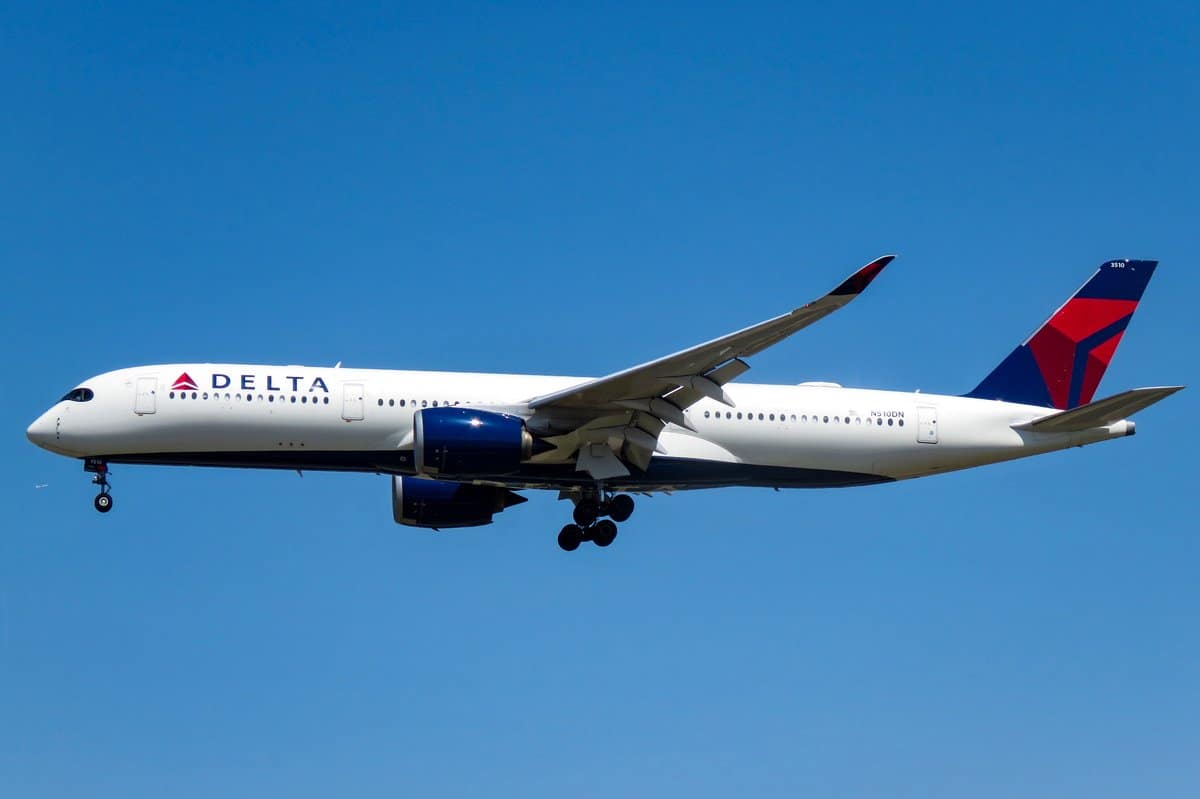
Image generated with Ai
Delta Air Lines Flight DAL1342, an Airbus A220-100 from Sacramento to Salt Lake City, diverted to Magic Valley Regional Airport, Idaho, United States, on 29th July, at 7:41 PM STA after an unexpected operational change affected its planned route. The latest report confirms that the Sacramento-bound aircraft was redirected from Salt Lake City International Airport to Magic Valley Regional Airport, allowing flight crews and airline teams to manage the situation safely. While the exact reason for the diversion has not been publicly confirmed, such decisions are standard aviation procedures used during changing weather, operational or safety conditions. The Delta Air Lines Flight DAL1342 diversion highlights the importance of flexible flight operations.
A Delta-operated Airbus A220-100 travelling from Sacramento International Airport (SMF) to Salt Lake City International Airport (SLC) diverted from its planned route and landed at Joslin Field–Magic Valley Regional Airport (TWF) in Twin Falls, Idaho, on 29 July 2026.
Advertisement
The aircraft involved was registered as N129DU. The flight was scheduled to depart Sacramento at 5:00 PM and arrive in Salt Lake City at 5:27 PM. Instead, the aircraft landed at an alternative airport, resulting in a delayed arrival and changes to passengers’ travel plans.
The specific cause of the diversion has not been publicly confirmed by Delta Air Lines or aviation authorities.
Advertisement
Advertisement
Possible reasons behind such diversions include severe weather, medical emergencies, technical inspections, air traffic restrictions or operational decisions made by flight crews.
Diversions are common aviation safety procedures. They allow pilots and airline operations teams to respond quickly when reaching the original destination becomes less suitable or safe.
Joslin Field–Magic Valley Regional Airport in Twin Falls, Idaho, became the diversion airport for the Sacramento–Salt Lake City service. The airport provides facilities capable of supporting commercial aircraft operations and serves as an important regional aviation gateway in southern Idaho.
Twin Falls offers suitable infrastructure, including runway capacity, passenger facilities and operational support services required during unexpected flight changes.
The selection of a diversion airport depends on several factors, including aircraft capability, weather conditions, airport availability, emergency services and passenger requirements.
The Sacramento–Salt Lake City route crosses western US airspace where mountain terrain and rapidly changing weather can influence flight operations. Having alternative airports available allows airlines to maintain safety standards while managing disruptions.
Although landing at a different airport can inconvenience passengers, diversion decisions are carefully made to protect travellers and crew members.

Image generated with Ai
The exact cause of the Airbus A220-100 diversion remains unconfirmed. Airlines typically review operational incidents internally before releasing detailed information, particularly when no emergency announcement is required.
Weather is one possible explanation for diversions involving western US routes. Summer thunderstorms, turbulence, strong winds and mountain weather conditions can affect flight paths around Utah and surrounding regions.
A passenger medical situation could also require an aircraft to land at an airport with suitable emergency support.
Technical considerations are another possible factor. Flight crews may choose to divert if they identify a system issue requiring inspection before continuing.
Air traffic restrictions or airport conditions can also influence decisions.
Until Delta or aviation authorities provide further information, the diversion should be treated as an operational change rather than linked to a confirmed cause.
Passengers travelling from Sacramento to Salt Lake City experienced an unexpected change when the aircraft landed in Twin Falls instead of completing the scheduled journey.
A diversion can create several challenges, including delayed arrival times, missed connections and additional transportation arrangements.
Passengers continuing towards Salt Lake City would typically receive guidance from airline representatives after landing. Support may include updated travel information, rebooking assistance or alternative ground transportation options.
The recorded arrival time of 7:41 PM indicates that the journey extended beyond the original schedule, creating additional waiting time for travellers.
Passengers with connecting flights from Salt Lake City may have faced further adjustments depending on their onward travel plans.
Although diversions create inconvenience, they demonstrate how aviation systems respond when conditions change unexpectedly.

Image generated with Ai
Flight diversions are a normal part of commercial aviation operations and are used by airlines worldwide to manage unexpected situations.
Passengers affected by diversions should monitor official airline communication channels and wait for confirmed instructions before making separate arrangements.
Travellers should keep booking information, identification documents and communication access available during disruption situations.
The US aviation network relies on hundreds of airports that can support diverted flights. Regional airports such as Twin Falls provide valuable flexibility when aircraft cannot continue to their original destination.
The Sacramento–Salt Lake City route connects important western US regions, and flights operating through this area can be affected by weather, geography and operational factors.
Understanding how diversions work can help passengers remain calm and prepared during unexpected travel changes.
Delta Air Lines Flight DAL1342, an Airbus A220-100 from Sacramento to Salt Lake City, diverted to Magic Valley Regional Airport, Idaho, United States, on 29th July, following an unexpected route change. The latest report confirms the aircraft was safely redirected, while the specific cause of the diversion remains unconfirmed. The reason behind selecting Magic Valley Regional Airport was its ability to provide a suitable landing option with operational support for aircraft and passengers. The answer for travellers is to follow Delta Air Lines updates and allow extra time for onward arrangements. The incident shows how aviation systems respond effectively to unexpected disruptions.
Advertisement
Tags: California, Idaho, Sacramento, salt lake city, United States
Advertisement
Advertisement













Saturday, September 5, 2026

Friday, September 4, 2026
Saturday, September 5, 2026

Saturday, September 5, 2026

Thursday, September 3, 2026

Wednesday, September 2, 2026

Saturday, September 5, 2026

Saturday, September 5, 2026


