
Seattle, Alaska, Juneau Tourism Decline Set as Queen Elizabeth Launches Final Alaska Season: What You Need to Know

Published
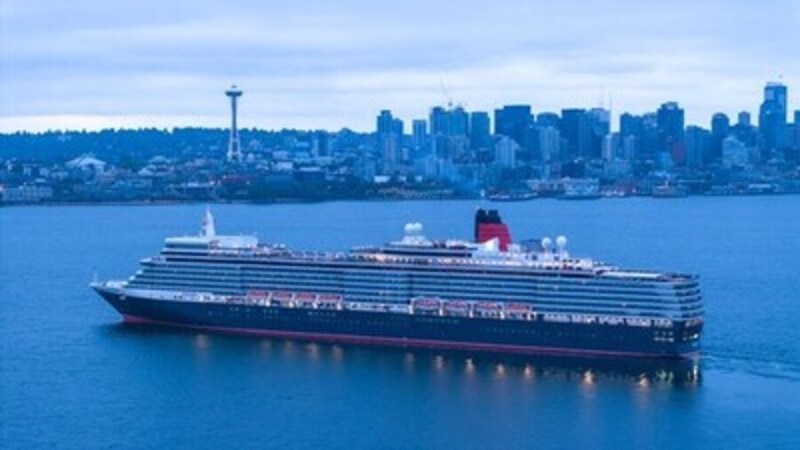
Seattle, Alaska, and Juneau tourism are experiencing a historic transition as Cunard’s Queen Elizabeth arrived in Alaska in May to launch the company’s last scheduled summer season in the region. The 2010-built ship currently operates a series of seven- to eleven-night itineraries sailing roundtrip from the Port of Seattle, offering passengers unprecedented access to Alaskan wilderness destinations before the British brand’s departure.
Set to be offered through late September 2026, these cruises sail to destinations such as Victoria, Ketchikan, Juneau, and Skagway, creating sustained Alaska tourism opportunities for the final time. The two thousand ninety-two-passenger ship represents Cunard’s commitment to Pacific Northwest tourism and Alaskan cruise tourism through this concluding season.
With Queen Elizabeth scheduled to head back to Southampton and Europe in early 2027, Cunard is not returning to Alaska next summer, significantly impacting Alaska cruise tourism markets. The British brand had been sailing in Alaska regularly since 2019 following a decades-long gap, establishing substantial tourism infrastructure and passenger expectations.
Final Alaska Itinerary Features Unprecedented Port Access and Scenic Cruising
Other highlights of the ship’s deployment include visits to Sitka, Haines, and Wrangell, as well as scenic cruising at Glacier Bay, Hubbard Glacier, and more. These destinations represent critical Alaska tourism access points that receive limited international visitor traffic compared to major ports.
Advertisement
Advertisement
The nine-night Alaska cruise from Seattle includes ports: Seattle, Ketchikan, Icy Strait Point, Haines, Juneau, Glacier Bay, Victoria, returning to Seattle. This itinerary maximizes port tourism exposure while incorporating wilderness experiences.
The eight-night Alaska cruise features Seattle, Sitka, Glacier Bay, Icy Strait Point, Ketchikan, Victoria, offering alternative Alaska tourism sequences. Passengers experience diverse coastal tourism across multiple communities while supporting local economies dependent on cruise tourism revenues.
Advertisement
Advertisement
Sitka receives tourism benefits with scheduled visits, allowing passengers to explore this historic Alaskan community’s Russian heritage and Native culture. The Sitka tourism experience includes wildlife viewing opportunities and maritime history attractions.
Haines experiences tourism growth through scheduled arrivals, introducing passengers to this mountain and fjord community’s world-class fishing and outdoor recreation. The Haines tourism market benefits from cruise passenger expenditures supporting local businesses.
Advertisement
Advertisement
Wrangell receives rare tourism attention with scheduled visits, providing access to this remote community’s Native heritage and wilderness opportunities. The Wrangell tourism industry supports sustainable economic development through cruise visitor interactions.
Alaska Tourism Impact from Reduced Cruise Capacity and Ship Passenger Limits
The Alaska tourism sector faces significant challenges as Cunard’s departure removes one luxury cruise vessel from regional waters. Industry data shows Juneau is imposing a limit of sixteen thousand cruise ship passengers, twelve thousand on Saturdays, beginning in 2026, compounding capacity concerns.
Ketchikan tourism receives sustained attention through multiple Queen Elizabeth sailings, with the port featured in nearly every Alaska itinerary. The Ketchikan tourism market depends heavily on cruise passenger expenditures supporting local galleries, restaurants, and cultural attractions.
Skagway tourism experiences limited access through Queen Elizabeth’s final Alaska season, as this historic Gold Rush town receives fewer cruise visits than larger ports. The Skagway tourism industry relies on premium cruise experiences attracting visitors interested in Alaskan heritage.
Advertisement
Advertisement
Victoria tourism benefits from British Columbia tourism exposure through Queen Elizabeth’s itineraries, connecting Canadian and American Pacific Northwest markets. The Victoria tourism sector benefits from cruise passenger visits to this historic Canadian city.
The Glacier Bay scenic cruising provides Alaska tourism experiences that cannot be replicated through land-based travel, showcasing pristine wilderness and glacier formations. This eco-tourism element attracts environmentally conscious travelers seeking authentic Alaskan experiences.
Hubbard Glacier scenic cruising offers Alaska tourism passengers opportunities to witness massive ice formations and wildlife in their natural habitat. This natural tourism experience represents a unique selling point for Alaska cruise itineraries.
Panama Canal Repositioning Voyage Transforms Caribbean Tourism Access
Before returning to the United Kingdom, Queen Elizabeth is scheduled to offer a twenty-one-night repositioning voyage to PortMiami in late September, sailing from Seattle with a full transit of the Panama Canal. This itinerary includes visits to destinations in California, Mexico, Guatemala, and the Southern Caribbean, such as Los Angeles, Cabo San Lucas, Puerto Quetzal, Panama City, and Curaçao.
The twenty-one-night voyage creates unprecedented Panama Canal tourism opportunities, allowing passengers to experience one of the world’s greatest engineering marvels while visiting multiple countries. This transit tourism experience attracts travelers seeking comprehensive cruise vacations combining contrasting destinations.
Los Angeles tourism receives California tourism exposure through the repositioning voyage’s departure port, connecting Pacific Coast destinations with Caribbean routes. The Los Angeles tourism market benefits from cruise passenger visits supporting local attractions and dining.
Advertisement
Advertisement
Cabo San Lucas tourism experiences Mexico tourism growth through scheduled visits, introducing passengers to this popular Baja California destination’s beaches and marine life. The Cabo San Lucas tourism industry supports sustainable economic development through cruise visitor interactions.
Puerto Quetzal tourism receives Guatemala tourism attention with scheduled arrivals, providing access to this Central American port’s Pacific Coast attractions and cultural heritage. The Puerto Quetzal tourism market benefits from increased cruise passenger expenditures.
Panama City tourism experiences significant Panama tourism growth through the full Panama Canal transit, allowing passengers to witness the engineering marvel while exploring the capital’s modern and historic districts. The Panama City tourism industry depends heavily on cruise visitor revenues.
Curaçao tourism receives Southern Caribbean tourism exposure through scheduled visits, introducing passengers to this Dutch Caribbean island’s colorful architecture and marine attractions. The Curaçao tourism market benefits from cruise passenger visits supporting local businesses.
Caribbean Tourism Season Extends Through January with Multiple Destination Access
Queen Elizabeth is then scheduled to offer a series of nine- to twelve-night cruises to the Western, Southern, and Eastern Caribbean. Sailing roundtrip from Miami, the itineraries feature visits to over fifteen destinations in the region, with departures scheduled through January 2027.
Ports of call include Cozumel in Mexico, Montego Bay in Jamaica, Bridgetown in Barbados, Philipsburg in St. Maarten, and Kralendijk in Bonaire. These destinations represent comprehensive Caribbean tourism coverage across multiple island nations.
Advertisement
Advertisement
Cozumel tourism benefits from Mexico tourism exposure through frequent Queen Elizabeth visits, connecting passengers with this popular Yucatán Peninsula destination’s beaches and Mayan ruins. The Cozumel tourism industry depends heavily on cruise passenger expenditures.
Montego Bay tourism experiences Jamaica tourism growth through scheduled arrivals, introducing passengers to this Caribbean nation’s beaches, music culture, and tropical cuisine. The Montego Bay tourism market supports local economic development through cruise visitor interactions.
Bridgetown tourism receives Barbados tourism attention with scheduled visits, providing access to this Eastern Caribbean island’s British colonial heritage and pristine beaches. The Bridgetown tourism industry benefits from cruise passenger visits supporting local businesses.
Philipsburg tourism experiences St. Maarten tourism growth through scheduled arrivals, introducing passengers to this dual-nation island’s shopping, beaches, and Caribbean culture. The Philipsburg tourism market depends heavily on cruise visitor revenues.
Kralendijk tourism receives Bonaire tourism exposure through rare scheduled visits, providing access to this Dutch Caribbean island’s world-class diving and coral reefs. The Kralendijk tourism industry supports sustainable economic development through cruise passenger interactions.
Miami tourism benefits from Florida tourism exposure as the roundtrip homeport, connecting Caribbean destinations with American Southeast markets. The Miami tourism sector depends heavily on cruise passenger expenditures supporting local hotels, restaurants, and attractions.
Advertisement
Advertisement
Long-Term Tourism Impact and Future Caribbean Season Plans
While the Alaska seasons are not set to be repeated in the near future, Queen Elizabeth is scheduled to return to the Caribbean for a short season in late 2028. This limited return provides minimal Alaska tourism recovery compared to the 2019-2026 operational period.
Cunard is staying out of Alaska in 2027 and 2028, with its four ships sailing from European ports. This strategic decision significantly impacts Alaska cruise tourism markets that had developed during the brand’s regular presence since 2019.
The 2010-built ship represents over fifteen years of cruise service, demonstrating how aging vessels must eventually transition to new markets. The Queen Elizabeth transfer affects luxury cruise tourism patterns across multiple regions.
Overall, Queen Elizabeth’s final Alaska season represents a pivotal moment for Alaska tourism, Seattle tourism, and broader Pacific Northwest cruise tourism. The vessel’s departure creates substantial gaps in regional cruise capacity while opening new opportunities for Caribbean tourism, Panama Canal tourism, and European cruise tourism through its repositioning voyage.
Image Credit: Cunard
Advertisement
