
Lebanon’s Unique Dining Customs Shape New Cultural Tourism Experiences For American Travellers

Published
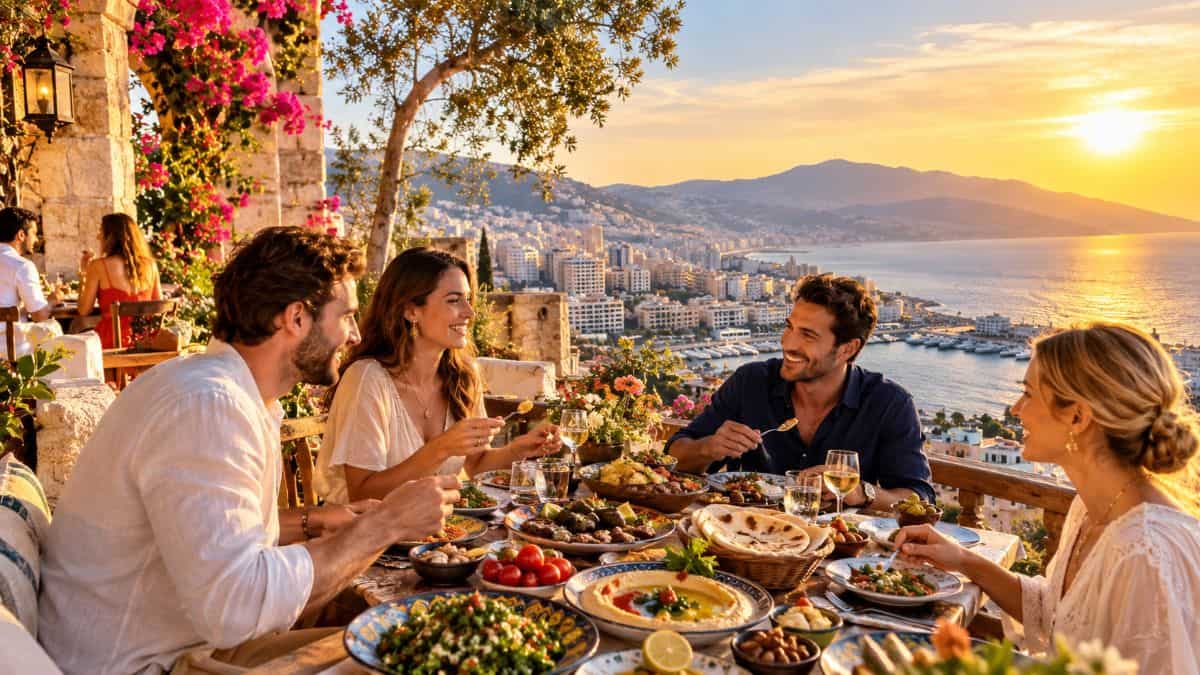
Lebanon’s distinctive restaurant traditions are giving American travellers a deeper way to experience the country’s culinary heritage, with communal mezze, extended meals, generous hospitality, greetings and conversation etiquette shaping the dining experience. These customs can differ significantly from expectations in the United States, where individual ordering, faster meals and more clearly defined dining routines are often common.
The cultural dimension of Lebanese dining also has implications for tourism. Beirut’s diverse restaurant scene and Byblos’ combination of historic attractions and Mediterranean coastal experiences provide opportunities to connect food with wider cultural itineraries. As travellers increasingly seek meaningful experiences in 2026, Lebanon’s culinary traditions could help restaurants, hospitality businesses and tourism operators develop experiences that combine cuisine, heritage and local interaction.
Advertisement
Advertisement
Lebanese Dining Customs Create A Different Tourism Experience
Lebanese restaurant etiquette reflects traditions of hospitality, generosity and social interaction, although practices vary between establishments, families and individual hosts. For international visitors, understanding these tendencies can make restaurant experiences easier to navigate while providing greater insight into Lebanese social culture.
The pace of dining is one of the clearest differences. Meals can involve several courses, extended conversation and coffee or refreshments after the main food. Visitors accustomed to quick restaurant visits may therefore need to allow additional time, particularly when dining with Lebanese hosts.
Advertisement
Advertisement
Generosity is another important element. Hosts may offer additional dishes, drinks or complimentary food as expressions of hospitality. Travellers do not necessarily need to accept everything offered, but responding appreciatively can help acknowledge the cultural meaning behind the gesture.
Communal dining is also central to the traditional mezze experience. Instead of each diner ordering an entirely separate meal, several dishes may be placed in the centre of the table for everyone to share. Greetings and conversation can further shape the experience.
Advertisement
Advertisement
| Lebanese Dining Custom | What American Travellers Should Know | Cultural Significance |
|---|---|---|
| Extended meals | Allow time for conversation and additional courses | Dining is often a social occasion |
| Generous hospitality | Respond graciously to additional offers | Sharing expresses generosity |
| Communal mezze | Expect several dishes to be shared | Encourages interaction |
| Conversation etiquette | Approach sensitive subjects thoughtfully | Demonstrates cultural awareness |
| Traditional greetings | Adapt greetings to the relationship and setting | Shows respect for local customs |
These are cultural tendencies rather than universal restaurant rules. Dining practices can differ considerably depending on the venue, social setting and people involved.
Beirut Restaurant Culture Supports Culinary Tourism
Beirut provides an important urban setting for travellers interested in Lebanese cuisine. Restaurants, cafés and neighbourhood establishments allow visitors to encounter traditional dishes alongside contemporary interpretations, while the city’s wider attractions create opportunities to combine food tourism with sightseeing, shopping and cultural exploration.
For American travellers, dishes such as hummus, tabbouleh, fattoush, kibbeh and grilled meats can provide an introduction to Lebanese culinary heritage. Mezze is particularly suited to experiential travel because diners can sample a range of flavours during one meal rather than focusing on a single dish.
The restaurant experience can also become part of a broader destination itinerary. Food-focused activities could potentially be combined with neighbourhood walks, cultural excursions and traditional markets. For local tourism businesses, this creates opportunities to connect restaurants with guided experiences and other visitor activities, although demand, accessibility and wider travel conditions remain important factors.
Byblos Connects Heritage Tourism With Lebanese Cuisine
Byblos offers a different dimension of Lebanon’s culinary tourism proposition by combining traditional dining with one of the country’s prominent heritage destinations.
Travellers exploring its ancient sites, historic streets and Mediterranean waterfront can incorporate Lebanese meals into their itineraries. This creates a tourism experience in which food is not simply an activity between attractions but part of the destination’s cultural identity.
Advertisement
Advertisement
For American visitors, Byblos can provide an opportunity to experience Lebanese dining outside Beirut while combining leisurely meals with archaeological and coastal exploration. Hospitality establishments in heritage destinations may benefit when travellers spend additional time in restaurants and surrounding businesses.
The connection between cuisine and heritage also illustrates how culinary tourism can support destinations beyond capital cities. By integrating food with history and local culture, tourism operators can potentially encourage visitors to broaden their itineraries.
Shared Mezze Gives International Visitors A Taste Of Lebanese Culture
Communal mezze remains one of the most recognisable elements of Lebanese dining. Groups can order a selection of small dishes and share them from the centre of the table, creating a more interactive experience than an individually structured meal.
Hummus, muhammara, salads, stuffed vegetables and other specialities can appear as part of a wider selection. Multiple rounds of dishes may also mean that the meal develops at a slower pace.
For international visitors, this format offers an accessible way to explore several aspects of Lebanese cuisine during one sitting. When travelling with local hosts, the shared meal can also become an opportunity to learn about ingredients, preparation techniques and the traditions surrounding particular foods.
Restaurants offering authentic mezze experiences could therefore contribute to Lebanon’s experiential tourism market by combining food with social and cultural engagement.
Advertisement
Advertisement
Lebanese Hospitality Adds A Personal Dimension
Hospitality is closely associated with Lebanese social traditions, and restaurants can reflect this through generous treatment of guests. Visitors may receive additional food, refreshments or small complimentary servings during a meal.
American travellers unfamiliar with the custom may initially interpret repeated offers differently. Understanding that such gestures can represent hospitality rather than an obligation to consume more can make the experience more comfortable.
Travellers can politely decline food when they are full or when dietary requirements prevent them from eating particular dishes. Appreciation of the gesture remains important even when accepting it is not possible.
For restaurants, boutique accommodation providers and locally operated tourism businesses, this personal element of hospitality could contribute to memorable visitor experiences and stronger connections between travellers and host communities.
Greetings And Conversation Matter During Cultural Travel
Social interaction can influence how international visitors experience restaurants in Lebanon. Greeting practices vary according to relationships and circumstances. A handshake may be appropriate during a formal introduction, while close friends and relatives may exchange cheek kisses. Visitors should observe the other person’s approach rather than assuming physical contact is always expected.
A simple Arabic greeting such as “Marhaba” can demonstrate interest in local culture, while French greetings are also familiar in some Lebanese social settings.
Advertisement
Advertisement
Conversation requires similar awareness. Political and religious subjects can be sensitive because of Lebanon’s complex history and diverse communities. Travellers meeting people for the first time may find it more appropriate to begin with neutral subjects such as food, travel, family and cultural experiences.
This awareness is particularly relevant to cultural tourism, where respectful interaction with local communities forms part of the visitor experience.
American Travellers Can Build Food Experiences Into Wider Itineraries
For American travellers planning visits to Lebanon, understanding dining customs before departure can help create more realistic expectations. Visitors heading to Beirut, Byblos and other destinations can incorporate restaurants into itineraries covering heritage sites, cultural attractions, markets and coastal areas.
Food-focused excursions could include traditional restaurants, local markets and cooking experiences. Travellers with tightly scheduled sightseeing programmes may want to allow additional time for traditional sit-down meals, particularly where extended conversation and multiple dishes are expected.
Dietary requirements also require advance communication. Because mezze involves numerous shared dishes, visitors with allergies or specific dietary restrictions should confirm ingredients rather than assume that every dish meets their requirements.
Aviation And Connectivity Remain Critical To Culinary Tourism
Lebanon’s culinary tourism potential is closely linked to international accessibility. Beirut–Rafic Hariri International Airport serves as the country’s principal international aviation gateway, making air connectivity an important consideration for overseas visitors.
Advertisement
Advertisement
For American travellers, available flight connections, journey times and prevailing travel advisories can influence decisions about visiting Lebanon. Stronger international accessibility could make it easier for visitors to combine Beirut’s restaurant scene with heritage destinations such as Byblos.
However, culinary attractions alone cannot determine international visitor growth. Aviation conditions, regional security developments, travel insurance considerations and traveller confidence can all affect demand.
Hospitality And Tourism Businesses Could Expand Food Experiences
Lebanon’s culinary heritage provides opportunities across several parts of the tourism economy. Hotels could incorporate traditional Lebanese cuisine into their dining programmes, while tour operators could connect restaurants with cultural excursions and heritage attractions. Smaller businesses may also develop experiences around food preparation, markets and communal dining.
| Tourism Sector | Potential Opportunity In 2026 |
|---|---|
| Restaurants | Traditional mezze and locally hosted dining experiences |
| Hotels | Lebanese culinary programmes and restaurant recommendations |
| Tour Operators | Guided food excursions and cultural itineraries |
| Heritage Tourism | Dining experiences linked to historic destinations |
| Local Food Businesses | Market visits and traditional cooking experiences |
| Business Travel | Restaurant experiences for professional and social gatherings |
These opportunities could support local visitor spending, but their development would depend on tourism demand, investment and operating conditions.
Challenges And Uncertainties Remain For International Visitors
Lebanon’s culinary appeal exists alongside wider challenges affecting international tourism. Regional security conditions, aviation disruptions and changes in travel advisories may influence whether travellers can or choose to visit. American tourists should consult current official travel guidance before arranging international travel.
Cultural expectations also should not be treated as inflexible rules. Restaurant customs can differ between formal venues, casual eateries, family gatherings and contemporary establishments. Tourism operators therefore have an important role in explaining local traditions accurately without turning cultural guidance into stereotypes.
Advertisement
Advertisement
Lebanon’s Culinary Tourism Outlook For 2026
Lebanon’s communal dining traditions offer a distinctive foundation for cultural tourism by connecting cuisine with hospitality, social interaction and destination heritage. For American travellers, understanding shared mezze, extended meals, generous hospitality, greeting etiquette and thoughtful conversation can contribute to more comfortable and culturally informed restaurant experiences.
For tourism businesses, these traditions could support food-focused itineraries linking Beirut, Byblos and other destinations with Lebanon’s broader historical and cultural attractions. The scale of future tourism growth would depend on international accessibility, regional conditions, investment and traveller confidence. If those conditions allow demand to develop, Lebanon’s established culinary heritage could help diversify visitor experiences while strengthening the connection between food, hospitality and destination tourism.
Frequently Asked Questions
1. What are the five Lebanese dining customs American tourists should understand?
The main considerations are allowing time for extended meals, appreciating hospitality, participating in communal mezze, approaching sensitive conversations thoughtfully and adapting greetings to the social setting.
2. Is it rude to refuse food in Lebanon?
Not necessarily. Additional food may be offered as a gesture of hospitality. Travellers can politely decline when they are full or unable to eat particular foods.
Advertisement
Advertisement
3. Why can Lebanese restaurant meals take longer than expected?
Meals can involve several dishes, conversation and refreshments, making dining a social occasion rather than simply a quick meal.
4. What is traditional Lebanese mezze?
Mezze is a selection of small dishes served for sharing. Examples can include hummus, muhammara, salads, stuffed vegetables and other Lebanese specialities.
5. Should American tourists share food in Lebanese restaurants?
Sharing is customary when ordering traditional mezze, although individual dining options are also available at many establishments.
Advertisement
Advertisement
6. How should tourists greet people in Lebanon?
A handshake can be appropriate for formal introductions. Close friends and relatives may exchange cheek kisses, depending on their relationship and individual preferences.
7. Should tourists discuss politics in Lebanese restaurants?
Political subjects can be sensitive, particularly among people who do not know each other well. Visitors should consider the setting and preferences of those around them.
8. Which Lebanese destinations offer culinary tourism experiences?
Beirut provides a broad urban restaurant experience, while Byblos combines Lebanese cuisine with historic attractions and Mediterranean coastal experiences.
Advertisement
Advertisement
9. How can American travellers prepare for dining in Lebanon?
Travellers can learn about Lebanese dishes, understand communal dining, allow sufficient time for meals, learn basic greetings and communicate dietary requirements clearly.
10. How could Lebanese dining traditions support tourism in 2026?
Traditional cuisine and hospitality could support cultural travel, local restaurant spending and heritage tourism, provided wider accessibility, security and traveller-confidence conditions support international demand.
Advertisement
