
Spain Joins Romania and Other Countries as October 2026 Europe Travel Grows With Culture Food and New Hotels

Published
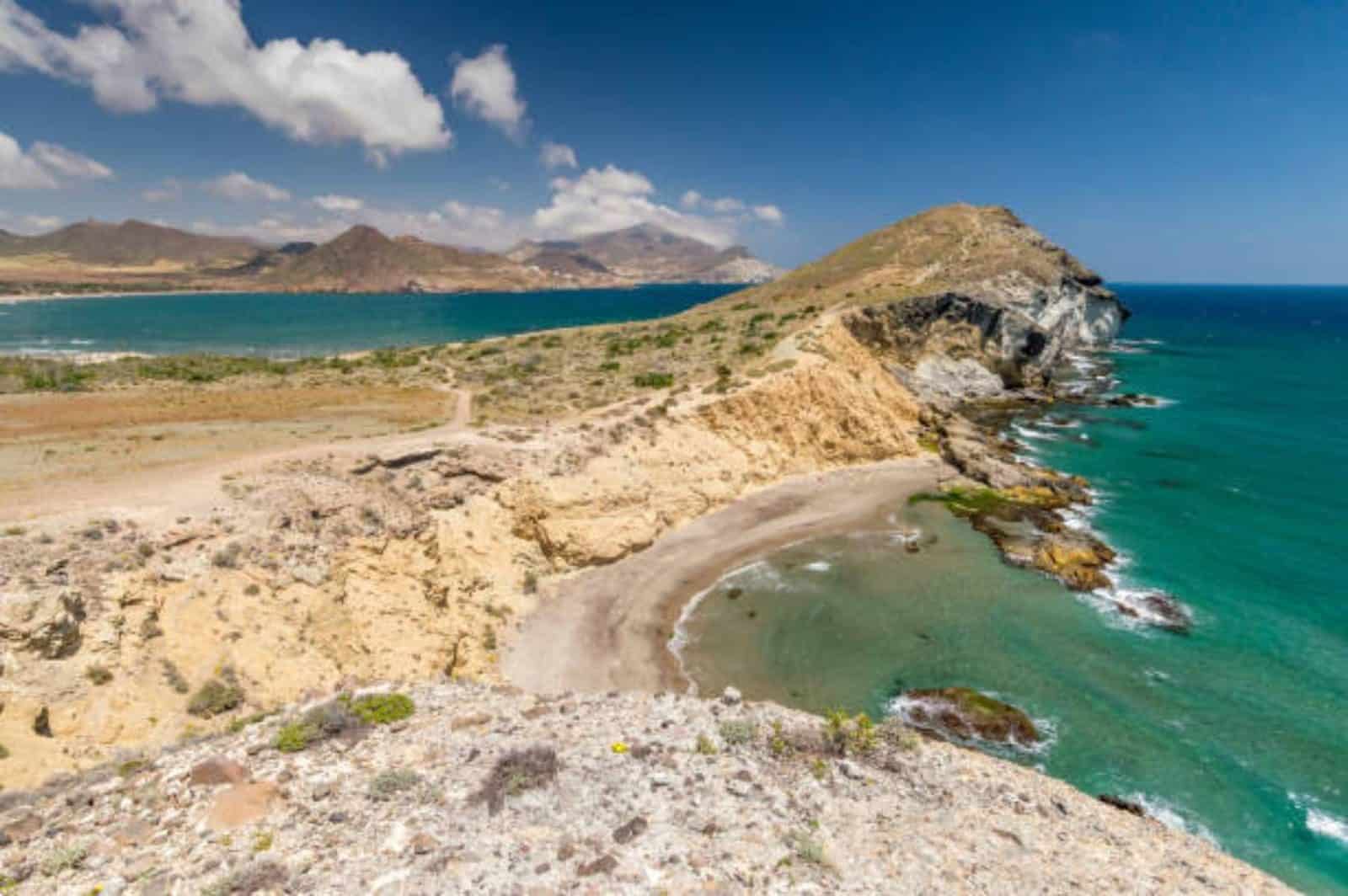
Spain, Romania and other leading destinations are shaping the October 2026 Europe travel landscape as travellers seek culture, food experiences, heritage attractions and new hotels across the continent. Europaean travel offers much to the adventurous tourist during the autumn months. While the summer months draw to a close with the festivals of San Sebastian, the gorgeous landscapes of Transylvania lure visitors by other means, and the delights of the Maltese islands, as well as the numerous options in London, provide a wealth of activities for the discerning tourist. New developments in travel allow greater diversity in how the tourist explores the culture of Europe.
October 2026 Europe Travel Connects Spain Romania Malta and the UK Through Distinct Autumn Experiences
October 2026 Europe travel brings together four markedly different visitor propositions across Spain, Romania, Malta and the UK. Spain combines gastronomy with major programmed events in San Sebastián. Romania offers medieval heritage and the mountain landscapes surrounding Brașov and Bran. Malta extends Mediterranean island travel beyond the summer peak through Valletta, Gozo and Comino. The UK adds London’s museums, exhibitions, accommodation market and year-round cultural offer. Rather than relying on one tourism segment, these destinations demonstrate how food, heritage, nature, accommodation and cultural attractions can collectively support autumn travel. Current official statistics also show substantial tourism demand across several of these markets.
- Spain: San Sebastián becomes a major October destination through gastronomy and Basque culture.
- Romania: Brașov and Bran combine medieval heritage with access to Transylvanian landscapes.
- Malta: Valletta, Gozo and Comino support Mediterranean travel beyond traditional summer holidays.
- UK: London combines accommodation, museums, cultural attractions and new autumn experiences.
- Travel impact: The four markets demonstrate the breadth of European shoulder-season tourism.
| Country | Destination(s) Mentioned | Main Travel Attraction / October 2026 Focus |
|---|---|---|
| Spain | San Sebastián (Basque Country) | San Sebastián Gastronomika (5–7 October 2026), New Basque Cuisine celebration, food tourism, Michelin restaurants and cultural experiences |
| Romania | Transylvania, Brașov, Bran | Autumn landscapes, Carpathian Mountains, Bran Castle, medieval heritage, nature tourism and cultural exploration |
| Malta | Valletta, Gozo, Comino, Blue Lagoon | Mediterranean autumn holidays, historic architecture, island tourism, beaches, gastronomy and coastal experiences |
| United Kingdom | London, Fitzrovia, Oxford Circus, Westfield White City | City breaks, cultural attractions, new hotel openings, museums, exhibitions and urban tourism |
| Portugal | Lisbon (Baixa district) | Hotel Corpus Christi Lisboa opening, heritage accommodation, luxury hospitality and historic city tourism |
| Ireland | Irish Midlands, Hill of Ward, Hill of Tara | Púca Festival, Halloween heritage, Celtic traditions, folklore and cultural tourism |
| Germany | Munich, Theresienwiese | Oktoberfest celebrations, Bavarian culture, traditional food, music and festival tourism |
| France | Lyon | Biennale d’Art Contemporain, contemporary art exhibitions, cultural tourism and creative experiences |
| Egypt | Southern Egypt (solar eclipse viewing areas) | Future 2027 solar eclipse tourism, astronomy travel and long-term destination planning |
| Gibraltar | Gibraltar | Mentioned as part of the 2027 solar eclipse path |
Spain October 2026 Travel Puts San Sebastián Gastronomika at the Heart of Food Tourism
Spain gives October travellers a clear event-led reason to visit San Sebastián. The official Spanish tourism portal confirms that San Sebastián Gastronomika runs from 5 to 7 October 2026 at the Kursaal. The 2026 gathering commemorates 50 years since the birth of New Basque Cuisine, reinforcing the relationship between travel, food heritage and contemporary culinary culture. The congress programme also incorporates international culinary participation. This matters for tourism because visitors can combine a scheduled event with San Sebastián’s established restaurants, local food culture and wider Basque experiences. The event therefore creates a concentrated October travel window rather than relying exclusively on conventional sightseeing.
- San Sebastián Gastronomika takes place from 5–7 October 2026.
- The venue is the Kursaal in San Sebastián.
- The 2026 edition marks 50 years of New Basque Cuisine.
- The programme includes an international cod-focused element.
- Gastronomy provides Spain with a strong event-driven October tourism proposition.
| Spain travel indicator | Verified information |
|---|---|
| Destination | San Sebastián |
| Event | San Sebastián Gastronomika |
| Dates | 5–7 October 2026 |
| Venue | Kursaal |
| 2026 focus | 50th anniversary of New Basque Cuisine |
| Tourism segment | Gastronomy and cultural travel |
Spain enters the autumn period from a position of significant international tourism demand. The National Statistics Institute reported 9.7 million international tourist arrivals in June 2026, 2.9 per cent above June 2025. During the first six months of 2026, international arrivals approached 46.6 million, representing growth of 4.6 per cent. These figures do not measure October demand and should not be interpreted as an October forecast. They do, however, establish the scale of Spain’s tourism market entering the second half of 2026. San Sebastián’s October programme adds a specialist culinary reason to travel within that broader national tourism environment.
Advertisement
Advertisement
Romania October Travel Makes Brașov and Bran Gateways to Transylvania Heritage
Romania offers a contrasting October proposition centred on heritage, mountain landscapes and medieval character. Brașov County’s official tourism platform presents the region through nature, medieval towns and cultural heritage, while identifying Bran Castle among its leading attractions. The castle lies around 35 kilometres from Brașov, making the city a practical base for travellers combining urban sightseeing with wider Transylvanian exploration. Official destination information also highlights attractions including the Black Church, fortified churches and the Seven Ladders Canyon. This diversity gives visitors alternatives to the popular Dracula association and positions Brașov County as a broader cultural and outdoor destination suitable for multi-day autumn itineraries.
- Brașov combines medieval urban heritage with access to mountain attractions.
- Bran Castle is approximately 35 kilometres from Brașov.
- The castle was first documented in 1377.
- Brașov County includes fortified churches and significant natural attractions.
- Transylvania can support heritage, outdoor and cultural travel within one itinerary.
| Romania travel indicator | Verified information |
|---|---|
| Primary base | Brașov |
| Major attraction | Bran Castle |
| Distance from Brașov | Around 35 km |
| Other attraction | Black Church |
| Outdoor attraction | Seven Ladders Canyon |
| Tourism segments | Heritage, nature, cultural travel |
Bran Castle provides considerably more historical depth than its popular Dracula connection suggests. Brașov County’s tourism authority describes it as an important Romanian architectural and historical monument. The castle performed defensive functions and operated as a customs point, while its later history included its transformation into a royal summer residence. For October travellers, that history allows an itinerary to move beyond fictional associations towards architecture, regional heritage and the surrounding settlements. Combining Bran with Brașov, nearby fortified churches and mountain landscapes can also distribute visitor activity across several attractions rather than concentrating an entire Transylvania journey around one landmark.
Advertisement
Advertisement
Malta October Travel Extends Mediterranean Holidays Through Valletta Gozo and Comino
Malta provides the warm-weather component of an October 2026 Europe travel itinerary. The official VisitMalta platform promotes the archipelago around its sea, gastronomy, history, diving and Gozo experiences, while noting approximately 3,000 hours of sunshine annually. More importantly, current official tourism statistics show strong visitor demand in 2026. Malta recorded 489,494 inbound tourists in July 2026, up 20.8 per cent year on year. Between January and July, inbound tourism reached 2,621,319 visitors, an increase of 18.6 per cent. Those visitors generated 14.9 million nights and approximately €2.334 billion in tourism expenditure during the seven-month period.
- Malta recorded 2.62 million inbound tourists from January through July 2026.
- Inbound arrivals increased 18.6 per cent over the corresponding 2025 period.
- Visitor expenditure reached approximately €2.334 billion.
- Gozo and Comino form a significant part of the wider visitor experience.
- Malta combines island travel, history, gastronomy and Mediterranean activities.
| Malta tourism indicator | Latest verified figure |
|---|---|
| Inbound tourists Jan–Jul 2026 | 2,621,319 |
| Growth year on year | 18.6% |
| Total nights Jan–Jul | 14.9 million |
| Tourist expenditure | €2.334 billion |
| July tourists | 489,494 |
| July growth | 20.8% |
The figures also reveal why Gozo and Comino matter to Malta’s tourism geography. Malta’s National Statistics Office reported that 1,438,280 tourists visited Gozo and Comino during January–July 2026, including same-day and overnight visitors. That represented 54.9 per cent of inbound tourists recorded for the period. In July alone, the corresponding figure reached 314,708. These official statistics reinforce the value of looking beyond Malta’s main island when planning a trip. Valletta can anchor a heritage-focused city stay, while Gozo and Comino broaden the itinerary towards smaller-island landscapes, coastal experiences and slower-paced exploration.
UK October 2026 Travel Strengthens London Through Culture Attractions and Accommodation
The UK component is led by London, where October combines established museums, cultural attractions and a substantial visitor accommodation economy. VisitEngland’s official autumn 2026 programme identifies several new cultural experiences, including Absurd City by Wake The Tiger, scheduled to open at Westfield White City on 15 October. The attraction is expected to occupy more than 80,000 square feet. Another major draw already under way by October is the Bayeux Tapestry exhibition at the British Museum, running from September 2026 into 2027. Together, such openings add time-specific reasons for repeat visitors to return to London beyond its established sightseeing circuit.
- London provides a strong city-break component to October 2026 Europe travel.
- Absurd City is scheduled to open on 15 October 2026.
- The attraction covers more than 80,000 square feet.
- The British Museum’s Bayeux Tapestry exhibition is available during October.
- Museums, attractions and accommodation support London’s year-round visitor economy.
| UK travel indicator | Verified information |
|---|---|
| Primary destination | London |
| New October attraction | Absurd City |
| Opening | 15 October 2026 |
| Major exhibition | Bayeux Tapestry |
| Wider offer | Museums, culture, heritage, hospitality |
| Tourism segment | Urban and cultural tourism |
London’s accommodation market demonstrates the scale behind this city-break economy. A July 2026 Greater London Authority report estimated that the capital received around 36 million overnight visitors in 2024, comprising approximately 21 million overseas visitors and 15 million domestic visitors. They generated roughly 154 million visitor nights and around £20 billion in spending. Separately, the UK’s official destination agency forecasts 44.2 million inbound UK visits in 2026, with spending of £33.9 billion. The national forecast represents expected UK-wide performance rather than London-specific 2026 arrivals, but it provides useful context for the wider market supporting London’s autumn tourism activity.
October Hotel and Accommodation Demand Adds Another Layer to European Autumn Travel
Hotels and other visitor accommodation are fundamental to the autumn travel picture because events and cultural attractions translate into tourism value only when travellers can convert interest into overnight stays. London’s current accommodation research demonstrates the importance of matching room supply with long-term visitor demand. The Greater London Authority is assessing both serviced accommodation, including hotels and hostels, and unserviced accommodation as it plans for future growth. In Malta, official statistics show that 88.4 per cent of July 2026 guest nights were spent in rented accommodation establishments. These patterns illustrate the direct relationship between destination demand, overnight capacity and visitor expenditure.
- Accommodation capacity influences the economic value generated by autumn tourism.
- London’s accommodation requirements are being assessed against long-term visitor demand.
- Malta recorded 3.2 million inbound tourist nights in July 2026.
- Rented establishments accounted for 88.4 per cent of Malta’s July guest nights.
- Heritage hotels, aparthotels and conventional accommodation can serve different traveller profiles.
| Market | Accommodation relevance | Verified context |
|---|---|---|
| Spain | Event-driven overnight stays | Gastronomika runs 5–7 October |
| Romania | Base for regional exploration | Brașov is near Bran and mountain attractions |
| Malta | Strong rented accommodation demand | 88.4% of July guest nights |
| UK | Major urban accommodation market | London recorded around 154m visitor nights in 2024 |
Lisbon also illustrates how heritage properties are being incorporated into Europe’s accommodation proposition, although Portugal sits outside the four-country core of this article. Leonardo Hotels currently lists Hotel Corpus Christi Lisboa – Leonardo Limited Edition in its Portugal portfolio. Its inclusion demonstrates how accommodation brands are increasingly connecting historic settings with contemporary hospitality. For travellers, such properties can turn the hotel itself into part of the destination experience rather than simply somewhere to sleep. This complements the broader October theme: established European cities are using gastronomy, cultural programming, architecture and accommodation to give visitors multiple reasons to travel outside the traditional peak summer window.
Advertisement
Advertisement
Spain Romania Malta and UK Show How October Travel Can Spread Tourism Beyond the Summer Peak
The clearest tourism impact across these destinations comes from diversification. Spain’s San Sebastián can turn gastronomy into scheduled travel demand. Romania’s Brașov region combines cultural heritage with outdoor exploration. Malta connects strong inbound growth with multi-island travel across Malta, Gozo and Comino. London uses exhibitions, attractions and its extensive accommodation market to sustain city tourism into autumn. The available official figures should not be treated as a forecast of October 2026 performance because most current statistics measure earlier periods. They nevertheless demonstrate that autumn experiences sit within substantial tourism markets where visitor spending can flow through accommodation, restaurants, attractions, transport and local businesses.
- October helps destinations promote travel outside Europe’s peak summer period.
- Events can create specific travel dates and encourage overnight stays.
- Cultural and natural attractions support longer, multi-stop itineraries.
- Island and regional tourism can spread visitors beyond major urban centres.
- Accommodation, food, attractions and transport can share the economic benefits of visitor demand.
| Country | Destination | October travel driver | Wider tourism impact |
|---|---|---|---|
| Spain | San Sebastián | Gastronomika and Basque cuisine | Supports food, event and city tourism |
| Romania | Brașov and Bran | Heritage and Transylvania | Supports regional and cultural travel |
| Malta | Valletta, Gozo, Comino | Islands, history and gastronomy | Extends Mediterranean tourism beyond summer |
| UK | London | Culture, attractions and accommodation | Supports year-round urban tourism |
For travellers, this diversification also creates practical choice. A visitor seeking a food-centred journey can prioritise San Sebastián around the fixed Gastronomika dates. Those seeking medieval architecture and mountain landscapes can use Brașov as a base for Bran and the wider county. Malta suits travellers who want Mediterranean experiences while combining history, food and island exploration. London offers the broadest urban programme, particularly for travellers interested in museums, exhibitions and new attractions. Taken together, Spain, Romania, Malta and the UK demonstrate why October 2026 Europe travel extends well beyond a simple choice between autumn foliage and late-season sunshine: it increasingly combines events, culture, regional discovery and accommodation-led city breaks.
Conclusion
Spain, Romania and other countries are strengthening the appeal of October 2026 Europe travel by offering diverse experiences centred around culture, food, heritage and new hotels. The twin delights of food and other festivals of Spain attract the tourist as do the picturesque landscapes of Romania and the bustling urban center of the UK. The Mediterranean draw of Malta and Ireland’s opportunities for off the beaten path regional tourism, coupled with the development of the hospitality industry throughout Europe provide a wealth of opportunities for cultural tourism. Enthusiastic travel during the October 2026 season will no doubt reward the adventurous tourist.
Advertisement
