
Korean Air and Asiana Airlines Begin Full Integration with New A350 Seating and Ground Operations

Published
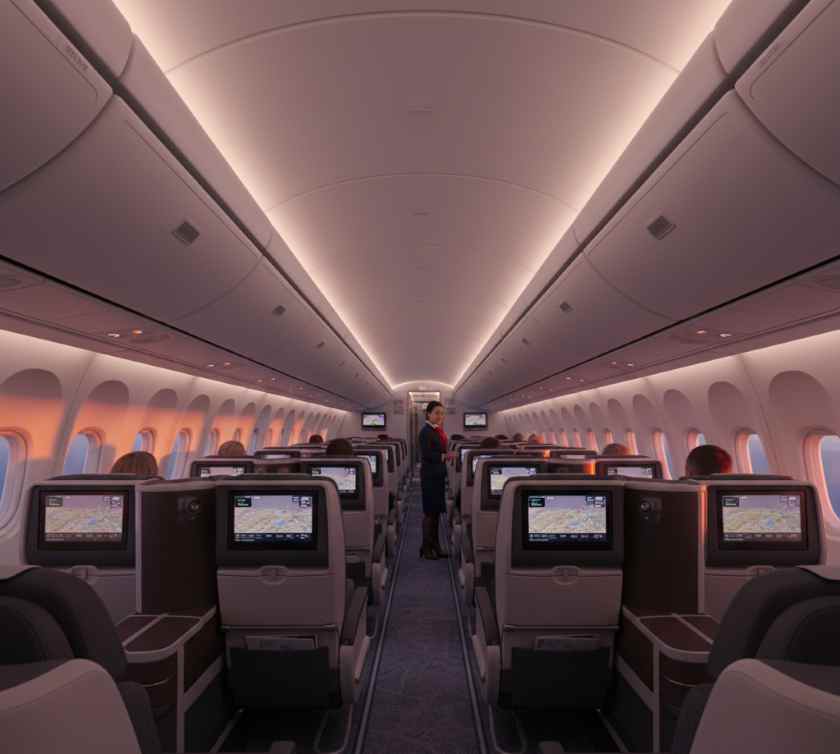 Image generated with Ai
Korean Air and Asiana Airlines have made progress in their merger process. They are starting to change Asiana’s fleet by introducing unified seating on its Airbus A350 aircraft. This seating upgrade is the first of many changes as the two South Korean airlines aim for full integration. The A350 will be the first aircraft to showcase the new look of Asiana’s cabins. This shift will improve the customer experience on Asiana flights as both airlines prepare for the merger. In a four-year process, Korean Air acquired a 63.9 percent stake in Asiana Airlines, completing a merger valued at 1.8 trillion won (around $1.4 billion). While both airlines still operate independently, this seating update marks the first step toward integration. The changes will gradually apply to Asiana’s entire fleet, aiming to provide a seamless experience for passengers across both brands.
A Unified Cabin Experience for TravelersKorean Air Asiana merger, A350 cabin refit, unified interiors Korean Air Asiana, Korean Air seating overhaul, Asiana seating upgrade, Korean Air Asiana integration, Incheon International Airport merger, airline mergers South Korea, Asian airline mergerKorean Air and Asiana Airlines have made progress in their merger process. They are starting to change Asiana’s fleet by introducing unified seating on its Airbus A350 aircraft. This seating upgrade is the first of many changes as the two South Korean airlines aim for full integration. The A350 will be the first aircraft to showcase the new look of Asiana’s cabins. This shift will improve the customer experience on Asiana flights as both airlines prepare for the merger. In a four-year process, Korean Air acquired a 63.9 percent stake in Asiana Airlines, completing a merger valued at 1.8 trillion won (around $1.4 billion). While both airlines still operate independently, this seating update marks the first step toward integration. The changes will gradually apply to Asiana’s entire fleet, aiming to provide a seamless experience for passengers across both brands.
A Unified Cabin Experience for Travelers
The integration of Korean Air’s Prestige Class and Economy seating designs into Asiana Airlines’ A350 fleet reflects the airlines’ strategy to create a unified product image. The newly updated seats include familiar elements such as a 77-inch full flat pitch for Business Class and 32-33 inches of pitch for Economy seats, ensuring passengers enjoy a consistent level of comfort throughout their flight.
Advertisement
Advertisement
Two of the 15 A350 units have already completed the cabin upgrade, with the refreshed seats now in operation on commercial flights. Asiana Airlines has introduced private swim-up pool rooms in its updated suites, elevating the in-flight experience and offering panoramic views of the destinations served. This overhaul is expected to be completed across the entire A350 fleet by 2026, aligning Asiana’s product offering with Korean Air’s high standards.
Expanding the Merger Across Ground Operations
The merger goes beyond aircraft seating to include ground operations at Incheon International Airport (ICN), where Asiana Airlines will relocate to Terminal 2, aligning operations with Korean Air. This move will streamline the check-in process, improve passenger experience, and help the airlines optimize resources.
Advertisement
Advertisement
The shift in operations also involves the relocation of Asiana’s main ticketing office from Mapo District to Korean Air’s headquarters in Seosomun. Additionally, both airlines are collaborating on employee training and new hire development at Gangseo District, ensuring operational efficiency as both carriers work together to integrate their staff under a shared framework.
Key Features of the Merger: Safety, Service, and Growth
The merger is not just about aligning seating and operational structures; it also includes harmonizing in-flight services, such as meal service and entertainment. Both airlines are reviewing service manuals to establish unified standards across their fleets, ensuring that passengers enjoy the same high-quality service regardless of which airline they fly.
Advertisement
Advertisement
One of the top priorities for the merger is to address Asiana Airlines’ high debt-to-equity ratio, focusing on capital allocation and operational synergies to improve financial sustainability. The airlines plan to stabilize Asiana’s financials by implementing strategic changes across various sectors, including route optimization and cost management.
A Global Expansion Vision for the New Entity
Once fully integrated, the merged entity of Korean Air and Asiana Airlines will become the world’s seventh-largest airline by passenger volume, with a fleet of approximately 250 aircraft. This expanded fleet will enhance the airlines’ reach across the Asia-Pacific region and beyond, offering increased connectivity and frequency on global routes.
In response to regulatory concerns, particularly in the European Union, Korean Air has designated T’way Air as a remedy carrier for Barcelona, Frankfurt, Paris, and Rome. Additionally, the takeover of Asiana’s cargo division by Air Incheon will help the new entity increase its competitive edge in the freight market.
Long-Term Strategy and Challenges
While the merger offers exciting growth opportunities, experts have noted that Korean Air will need to focus on disciplined debt management and operational excellence to maximize long-term value. Exchange rate volatility may impact the company’s financials, but the strong demand for air travel and a stable aircraft ownership ratio (9:1 owned-to-leased ratio) will help mitigate this risk.
As the merger advances, route restructuring and network optimization will be necessary to ensure smooth integration, while the airlines address geopolitical and macroeconomic uncertainties. However, analysts remain confident about the long-term potential of the Korean Air-Asiana merger, especially with the growing passenger demand across the region and the airlines’ strong brand presence.
Conclusion: A New Chapter for Korean Air and Asiana Airlines
The merger between Korean Air and Asiana Airlines marks a historic moment for the aviation industry. With the integration of seating, operational systems, and service standards, the airlines are poised to create a unified travel experience for passengers. The strategic investments in sustainability and operational efficiency will ensure that the new entity remains competitive in the fast-evolving global market.
Advertisement
