
UK’s Lake District Prepares for Dark Skies Festival 2026 as Cumbria Targets Autumn Astro-Tourism Growth

Published
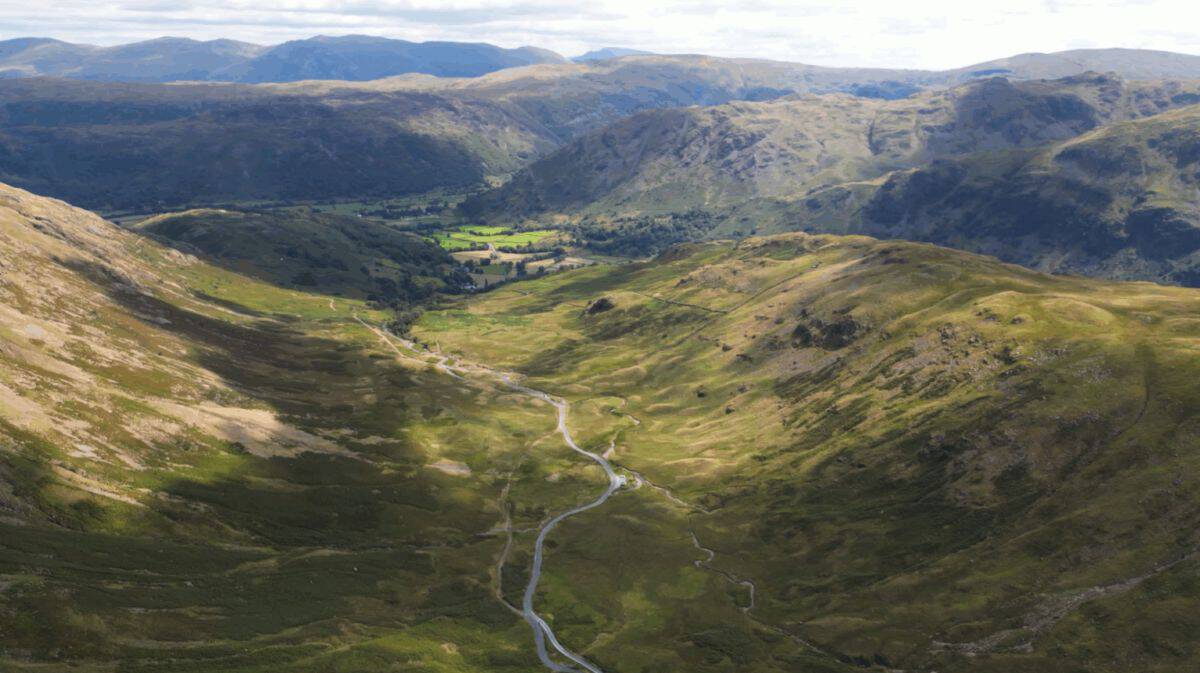
Image Credit- lakedistrict.gov.uk
UK’s Lake District Prepares for Dark Skies Festival 2026 as Cumbria Targets Autumn Astro-Tourism Growth.Waterways, forest tracks, and upland fells across Cumbria and the Lake District National Park are preparing for a month-long influx of night-sky enthusiasts as the Cumbrian Dark Skies Festival 2026 officially stages its autumn program from 23 October through 20 November 2026. Staged under the regional destination promotion of Visit Cumbria and recognized by the national tourism agency VisitBritain, the festival harnesses the Lake District’s protected starry canopies to combine nocturnal nature pursuits, open-water adventure, and scientific discovery. Operating across remote valleys and lakeside villages, the event provides a crucial counter-cyclical tourism catalyst, steering thousands of domestic holidaymakers and international astro-tourists through rural hospitality corridors during the transitional mid-autumn shoulder season.
Where Is This Event Staged and Who Is Participating?
Rather than confining attendees inside a single observatory or conference hall, the festival operates as a decentralized, landscape-wide celebration across iconic Lake District waters and conservation sites:
- Lakeside Waters & Maritime Trails: Marquee active-night pursuits center on Coniston Water and Ullswater. Guided nocturnal open-canoe expeditions launch across Coniston Water, offering silent paddling beneath the Milky Way, while Ullswater hosts guided starlit wild swims and cold-water dips led by certified open-water coaches and mountain rescue safety teams.
- Forestry & Upland Observational Hubs: Grizedale Forest and Whinlatter Forest serve as terrestrial hubs, hosting guided night-time trail running, bushcraft campfire cooking, nocturnal wildlife safaris tracking native bats and barn owls, and dark-sky navigation masterclasses.
- Academic Institutes & Astronomy Societies: Stargazing camps, planetarium pop-ups, and astrophotography clinics operate across Ambleside, Keswick, and Low Gillerthwaite Field Centre in Ennerdale—one of the darkest valleys in England.
- Participating Lineup and Key Stakeholders: The multi-week gathering brings together professional astronomers, astrophotographers, and conservation bodies including the Lake District National Park Authority, Cumbria Wildlife Trust, Forestry England, and Friends of the Lake District alongside local outdoor activity outfitters, night-navigation guides, and accessible travel specialists.
How Has Attendance Tracked Over the Past Five Years?
Audited visitor tracking, national park footfall telemetry, and booking reconciliations across partner activity hubs demonstrate continuous post-pandemic expansion as astro-tourism matures into a mainstream travel sector:
Advertisement
Advertisement
| Year | Operational Model & Staging Framework | Aggregate Ticketed & Field Turnout | Average Venue & Tour Capacity Uptake | Audited Dynamics & Policy Catalysts |
| 2021 | Phased Post-Pandemic Return (Hybrid Slate) | ~4,200 (In-person & webinars) | 73.0% | Reopening with strictly capped outdoor cohort sizes; introduction of virtual astronomy lectures. |
| 2022 | Unrestricted Landscape Activation | ~6,800 | 81.5% | Resumption of full open-water night canoeing and starlit swimming groups across Ullswater. |
| 2023 | Expanded Forest & Upland Trail Circuit | ~8,900 | 86.0% | Heavy growth in guided night running and family bushcraft sessions across Grizedale. |
| 2024 | Integrated Multi-Valley Tourism Model | ~11,400 | 91.2% | Consecutive sell-outs across weekend stargazing safaris; surge in cross-border rail packages. |
| 2025 | Extended Four-Week Countywide Footprint | ~13,600 | 94.5% | Record uptake of “Stay & Gaze” accommodation bundles; peak demand for astrophotography clinics. |
| 2026 | 6th Consolidated Edition (Active Staging) | ~15,500 – 17,000 (Projected) | 95.5%+ (Strong pre-sales) | Full activation of Coniston, Ullswater, and Ennerdale backed by national VisitBritain campaigns. |
Performance benchmarks compiled from Lake District National Park Authority monitoring logs, Cumbria Tourism destination reviews, and regional activity box-office registries.
Which Other Countries Host Similar Astro-Tourism Festivals?
While the Cumbrian Dark Skies Festival is tailored to the distinctive topography of the English Lake District, sovereign destinations worldwide stage structurally parallel dark-sky and astro-tourism festivals:
Advertisement
Advertisement
- United States (Grand Canyon Dark Skies Festival, Arizona & Bryce Canyon Astronomy Festival, Utah): World-renowned desert gatherings organized alongside the U.S. National Park Service, combining high-altitude telescope viewing with ranger-led constellation talks.
- New Zealand (Aoraki Mackenzie Dark Sky Festival, South Island): Staged within the Aoraki Mackenzie International Dark Sky Reserve, linking Māori celestial navigation, Indigenous storytelling, and Southern Hemisphere astro-tourism.
- Chile (Fiesta de las Estrellas, Atacama Desert): Takes advantage of Earth’s clearest, driest skies to integrate boutique eco-lodges, professional observatories, and archaeological astro-tours.
- Canada (Jasper Dark Sky Festival, Alberta): A flagship Canadian autumn celebration in the Canadian Rockies that combines celebrity science speakers, symphonic performances under the stars, and lakeside wilderness astronomy.
- Netherlands & Germany (Dark Sky Weekends, Lauwersmeer & Eifel National Parks): Protected European reserves staging guided nocturnal mudflat walks, forest dark-sky trails, and cross-border light-pollution awareness sessions.
Which Region of Travellers Come to This Event Most?
Visitor mobility telemetry monitored in coordination with VisitBritain (GOV.UK) and regional transit operators outlines three primary feeder pipelines:
- North West & Yorkshire Urban Corridors (Domestic Core): Accounts for approximately 54% of attendees, traveling via the M6 motorway and the TransPennine / Northern rail networks from Greater Manchester, Merseyside, Lancashire, and West Yorkshire (Leeds, Bradford).
- London & South East Inter-City Rail Corridor (West Coast Main Line): Represents roughly 32% of visiting travelers, driven by long-weekend eco-tourists and affluent adventure travelers arriving via Avanti West Coast services into Oxenholme Lake District and Penrith stations.
- Short-Haul International & European Astro-Tourists: Comprises approximately 14% of audiences, arriving through Manchester Airport (MAN) and Newcastle International Airport (NCL). This segment is dominated by nature-travel enthusiasts from Germany, the Netherlands, Scandinavia, and North America seeking wilderness dark-sky immersion unavailable in heavily light-polluted Western European urban centers.
Which Country Benefits Most and How Are Tourism and the Economy Impacted?
The United Kingdom—and specifically the County of Cumbria and the Lake District rural economy—stands as the primary financial and structural beneficiary.
Advertisement
Advertisement
┌────────────────────────────────────────────────────────────────────────┐
│               REGIONAL ECONOMIC & TOURISM FOOTPRINT                    │
├───────────────────────────────────┬────────────────────────────────────┤
│       DIRECT HOSPITALITY          │       ENVIRONMENTAL CONSERVATION   │
├───────────────────────────────────┼────────────────────────────────────┤
│ • £3.4M–£4.6M estimated direct    │ • Dark-sky preservation: ticket    │
│   spend across rural inns, lake   │   surcharges fund local lighting   │
│   cottages, and dining rooms.     │   audits and wildlife habitats.    │
│                                   │                                    │
│ • Weekend rural occupancy lift to │ • Off-peak resilience: counters    │
│   82%–88% across Ambleside,       │   abrupt post-summer drops across  │
│   Keswick, and Coniston valleys.  │   seasonal outdoor operators.      │
└───────────────────────────────────┴────────────────────────────────────┘
- Counter-Cyclical Economic Spending: According to tourism impact research from VisitBritain (GOV.UK), nature and activity-based tourists generate higher-than-average per-day spending during off-peak periods. Over its month-long run, the festival injects between £3.4 million and £4.6 million into local pubs, farm-to-table restaurants, transport providers, and independent outdoor gear retailers.
- Hospitality Occupancy and ADR Elevation: Country guest houses, boutique hotels, and glamping sites across Keswick, Ambleside, Windermere, and Coniston record weekend occupancy rates between 82% and 88%, elevating Average Daily Rates (ADR) during a late-autumn window that historically suffers from steep seasonal declines.
- Conservation and Policy Funding: By linking outdoor recreation directly with ecological protection, the festival generates non-tax revenue for the Lake District National Park Authority (gov.uk) and the Department for Environment, Food & Rural Affairs (GOV.UK). Concession proceeds and equipment rentals directly support grassroots nocturnal biodiversity surveys, retrofit public lighting to low-intensity LED standards, and safeguard the Lake District’s ongoing application for international dark-sky designation.
Advertisement
