
Northwestern Cagayan Unveils Dive Tourism Training Program: Discover the Philippines’ Next Great Dive Frontier

Published
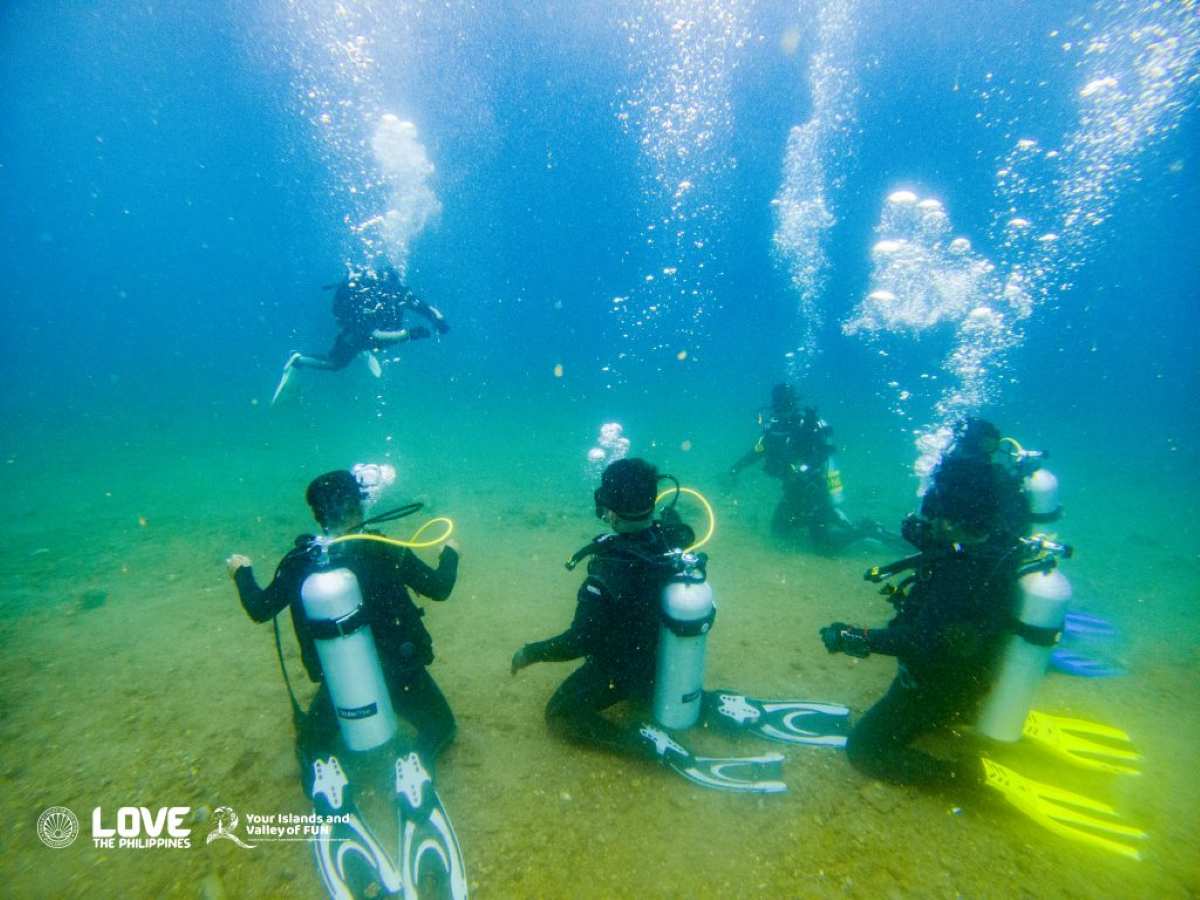
[Image Credit: Philippine Information Agency]
Are you ready to explore untouched underwater frontiers before the rest of the world? The Department of Tourism (DOT) Cagayan Valley is racing to prepare Northwestern Cagayan for a boom in dive tourism. The municipal tourism stakeholders and local officers from Claveria and Santa Praxedes are undergoing strategic training and licencing programmes, making this the right time to focus on the country’s next big water destination. Discover this frontier and how it’s changing adventure travel in the Philippines by reading the full guide here.
Advertisement
Advertisement
Awakening the Northern Coastline: A New Frontier for Coastal Exploration
The Department of Tourism (DOT) Cagayan Valley has officially initiated a rigorous training and licensing programme designed to unlock the untapped marine potential of Northwestern Cagayan. Hosted strategically to maximize professional instruction, the foundational training programme brought together municipal tourism officers, local environmental representatives, and designated stakeholders from the coastal towns of Claveria and Santa Praxedes. Facilitated by veteran dive trainers and industry experts, the intensive curriculum equips participants with fundamental underwater navigation skills, emergency medical protocols, equipment handling, and technical competencies required for official certification.
This proactive capacity-building initiative directly aligns with national tourism mandates aimed at diversifying regional portfolios, fostering sustainable economic livelihoods, and protecting fragile coastal ecosystems. By training local municipal leaders firsthand, the region ensures that future tourism expansion remains entirely community-driven, economically viable, and environmentally responsible. Rather than relying on external operators, these local communities are being empowered to take the helm of their own economic and ecological futures, setting a new benchmark for regional tourism development across northern Luzon.
Advertisement
Advertisement
Why Dive Tourism Flourishes Across the Philippine Archipelago
To fully understand the strategic significance of Cagayan’s new municipal initiative, one must examine why underwater exploration remains globally sought after within the Philippines. Situated directly within the geographical heart of the Coral Triangle, the global centre of marine biodiversity, the Philippine archipelago boasts unmatched aquatic wealth, housing thousands of unique fish species and expansive coral formations across its tropical waters.
- Exceptional Marine Biodiversity: The nation’s warm, nutrient-rich waters support vibrant coral gardens, rare macro critters, and large pelagic species that attract international underwater naturalists and conservationists year-round.
- Geographic Variety and Topography: From shallow coral shelves and dramatic deep-water drop-offs to historical World War II shipwrecks, the country provides diverse underwater topography perfectly suited for every level of exploration.
- Favourable Environmental Conditions: Consistent water temperatures, protected marine coves, and favourable seasonal visibility create ideal conditions for both novice training programmes and advanced technical expeditions.
- Warm Cultural Hospitality: The renowned warmth and welcoming nature of Filipino coastal communities create an immersive, culturally enriching experience for international travelers that extends far beyond the shoreline.
These natural advantages establish a remarkably high standard for emerging destinations like Claveria and Santa Praxedes. By learning from established marine destinations across the country, these northern towns aim to replicate proven conservation and sustainable tourism models while preserving their unique, undiscovered charm.
Advertisement
Advertisement
Strategic Steps Toward Sustainable Development and Marine Protection
Developing a nascent dive destination requires meticulous, long-term planning that extends far beyond initial water entry. According to regional tourism leadership, the recent stakeholder training serves as a foundational precursor to comprehensive, science-based dive-site assessments across the coastal waters of Claveria and Santa Praxedes. These upcoming assessments will systematically map out marine topography, identify viable ecological zones, catalogue local marine species, and verify strict safety parameters for future recreational visitors.
Furthermore, upcoming multi-sectoral focus group discussions will integrate stringent environmental management frameworks directly into the municipal planning process. Partnering closely with specialized agencies such as the Community Environment and Natural Resources Office (CENRO) ensures that coral reefs, seagrass beds, and vital coastal habitats are carefully safeguarded against the risks of over-tourism. This careful balance of economic development and environmental stewardship preserves the very natural assets that give these coastal towns their authentic value.
Advertisement
Advertisement
Community Empowerment and Economic Resilience
Beyond environmental conservation, the push toward dive tourism serves as a powerful catalyst for local economic resilience. Historically, many coastal settlements in Northwestern Cagayan relied primarily on traditional fishing, leaving local economies vulnerable to seasonal weather fluctuations and marine stock depletion. Introducing structured dive tourism creates diversified, year-round alternative livelihoods for residents.
Local community members are being positioned to transition into valuable roles within the burgeoning hospitality and adventure sector, including certified dive masters, boat operators, equipment technicians, eco-tour guides, and homestay proprietors. This localized economic retention ensures that the financial benefits of tourism flow directly into the pockets of families in Claveria and Santa Praxedes, fostering community-wide pride and a collective vested interest in protecting their marine environment.
Frequently Asked Questions
- What specific towns are included in Northwestern Cagayan’s dive tourism project? The current regional development phase specifically targets the coastal municipalities of Claveria and Santa Praxedes, leveraging their strategic geographic positioning along the northern coastline.
- Who is leading the stakeholder training and certification programme? Master divers and accredited professional trainers direct the technical modules, working in close coordination with DOT Region 2, local government units, and provincial environmental offices.
- How does introducing dive tourism benefit local coastal communities? The initiative generates sustainable alternative livelihood opportunities, strengthens local micro-enterprises, and directly incentivizes community-led marine conservation efforts.
Advertisement
