
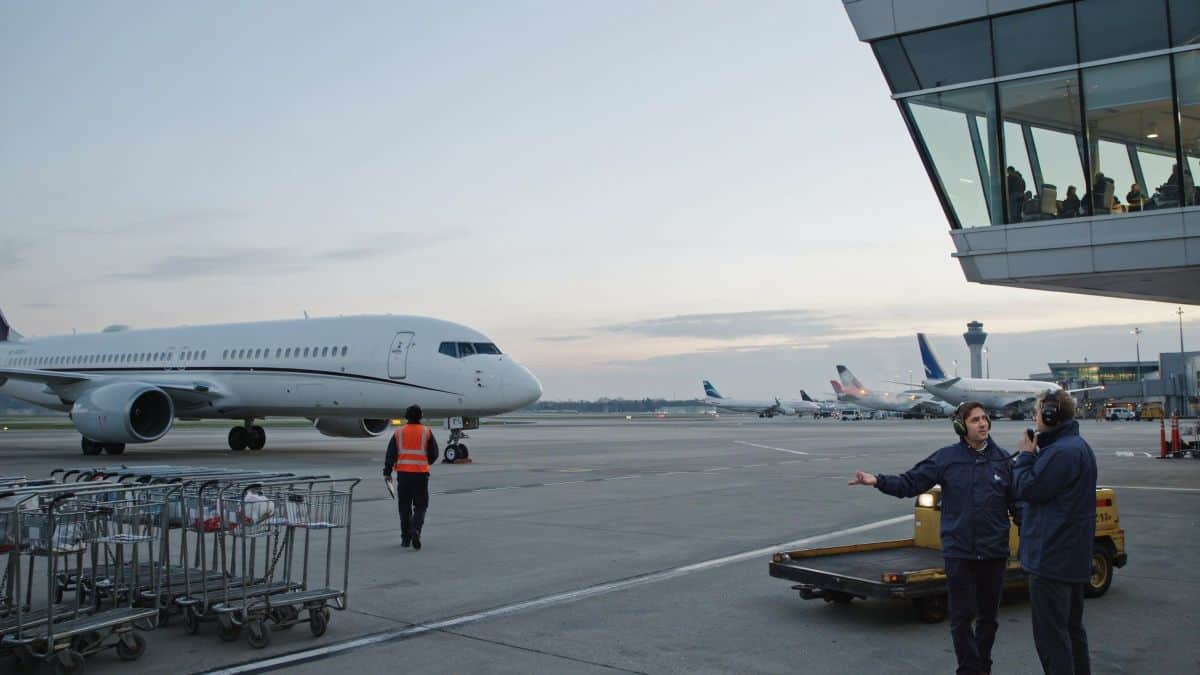
Image generated with Ai
The United States Federal Aviation Administration (FAA) has introduced flight delays across major airports in New York and Philadelphia as it manages pressure on one of the busiest aviation regions in the world. The move has affected operations at John F. Kennedy International Airport, LaGuardia Airport, Newark Liberty International Airport and Philadelphia International Airport.
The FAA action is not an airport closure. Flights are still operating. However, aircraft movements are being controlled to maintain safety and prevent larger disruptions. The agency uses these traffic management measures when airport capacity cannot handle the number of scheduled flights arriving and departing.
Advertisement
For thousands of travellers flying through the Northeast United States, the decision means longer waiting times, possible schedule changes and the need to monitor flight updates carefully.
The New York and Philadelphia aviation corridor is one of the most complex airspaces in the world. Millions of passengers travel through this region every year. Hundreds of flights connect domestic and international destinations through these airports.
Advertisement
Advertisement
When demand becomes higher than available airport capacity, the FAA introduces programmes such as Ground Delay Programmes. These systems control aircraft departure times before planes leave their original airports.
The purpose is simple. The FAA reduces the number of aircraft arriving at a busy airport at the same time. This prevents congestion and helps maintain safe operations.
Several factors can reduce airport capacity. These include changing weather conditions, limited visibility, runway restrictions, air traffic control challenges and increased traffic volume.
The latest FAA measures showed operational delays affecting New York-area airports and Philadelphia International Airport as the agency worked to balance demand and available capacity.
The New York metropolitan region is a major global aviation centre. Three airports serve the city and surrounding areas:
Together, these airports support thousands of flights connecting the United States with Europe, Asia, the Middle East and other regions.
Because of the high number of aircraft movements, even a small disruption can create wider effects. A delayed aircraft may arrive late for its next journey. This can affect airline schedules, crew operations and passenger connections throughout the day.
The FAA has dedicated programmes focused on improving the reliability and efficiency of the New York airspace system. However, the region remains one of the most challenging areas to manage because of heavy demand and limited airspace flexibility.
Philadelphia International Airport also experienced delays as part of the FAA’s wider traffic management response.
The airport plays an important role in the Northeast US aviation network. It connects passengers across America and provides international links to key destinations.
When airport capacity becomes limited, the FAA adjusts flight movements through controlled departure times. These actions help airlines avoid large-scale congestion at terminals and runways.
For passengers, this can mean a flight leaves later than planned even if the aircraft itself is ready. The delay is often created before departure to prevent bigger problems after arrival.
The FAA’s approach focuses on safety first. Managing traffic flow allows airports to continue operating while reducing pressure on the overall aviation system.
Many travellers believe flight delays mean an airport has stopped working. This is not always true.
A Ground Delay Programme is a safety tool used by the FAA. It allows the agency to manage aircraft movement during busy or difficult operating conditions.
Under this system:
The system may create inconvenience for passengers, but it helps prevent larger disruptions.
Without these controls, too many aircraft could arrive at the same time, creating longer delays, crowded terminals and operational difficulties.
The FAA’s goal is to keep the aviation network moving safely while reducing pressure on airports.
The effects of New York airport delays often spread beyond the region.
Modern airline networks depend on aircraft completing multiple flights every day. One delayed flight can affect several later journeys because the same aircraft and crew may operate different routes.
A delay at JFK, LaGuardia or Newark can influence flights heading to cities across the United States. International passengers connecting through New York may also experience longer waiting times.
This is why FAA traffic decisions are important beyond the airports directly affected. The Northeast US aviation system plays a major role in national and international connectivity.
Passengers travelling through New York and Philadelphia airports should take practical steps to reduce disruption.
Travellers should:
The FAA manages overall air traffic conditions, but airlines handle individual passenger services such as cancellations, alternative flights and compensation policies.
Passengers should also remember that airport delay information can change quickly depending on weather and traffic conditions.
The latest FAA action highlights the pressure facing the Northeast United States aviation system.
The region has some of the highest passenger demand in the country. Airports must manage a large number of flights while maintaining safety standards.
The FAA continues to invest in air traffic improvements, technology upgrades and operational planning to reduce delays.
However, the area will remain challenging because demand continues to grow while available airspace and airport capacity remain limited.
Future improvements will focus on creating smoother aircraft movement and reducing unnecessary waiting times for airlines and passengers.
The FAA flight delays affecting New York and Philadelphia airports show the complex balance between keeping travel moving and protecting aviation safety.
The disruption may create frustration for passengers, but the traffic controls are designed to prevent larger problems across the US aviation network.
As air travel demand continues to rise, managing busy regions like New York and Philadelphia will remain a major challenge for aviation authorities.
The FAA’s latest decision demonstrates that modern aviation depends not only on aircraft and airports but also on advanced traffic management systems that keep millions of journeys safe every day.
Advertisement
Advertisement
Advertisement













Saturday, September 5, 2026

Friday, September 4, 2026

Saturday, September 5, 2026

Friday, September 4, 2026

Thursday, September 3, 2026

Wednesday, September 2, 2026

Friday, September 4, 2026