
Chalbi Desert and Other Undiscovered Travel Hubs Are Waiting for Tourists to Be Explored in Kenya

Published
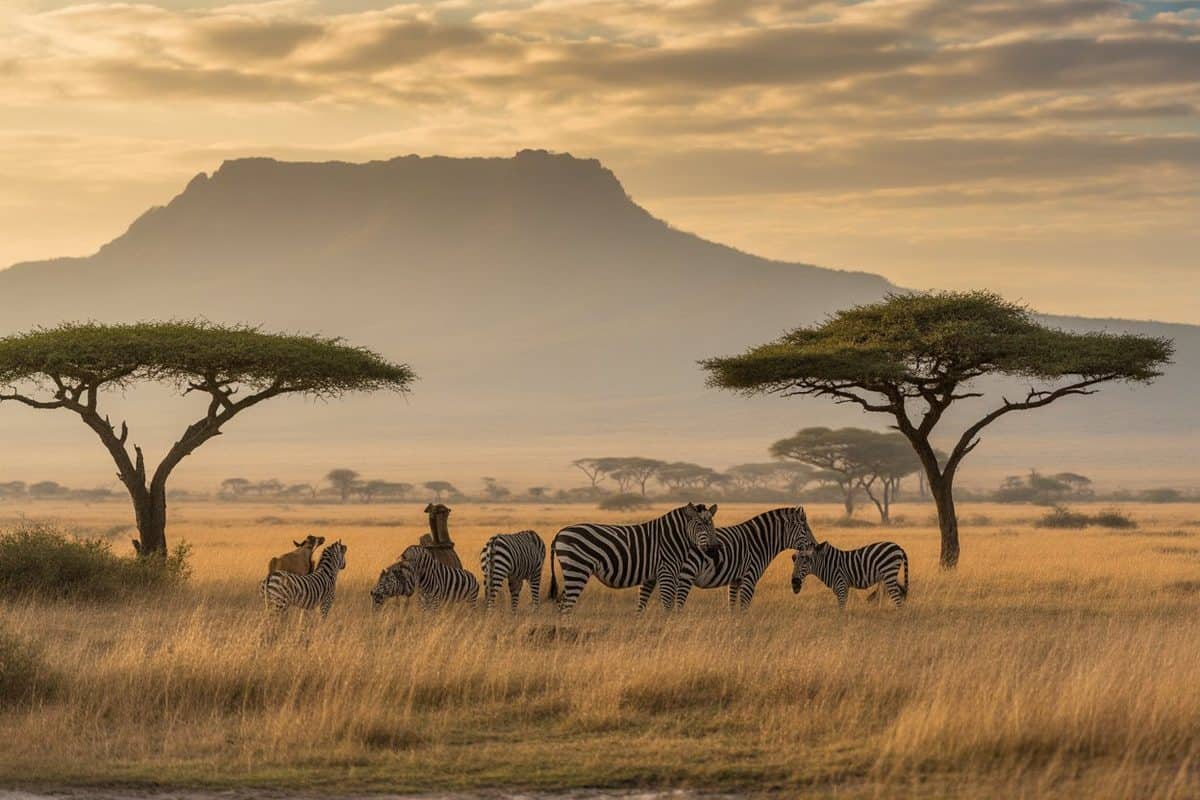
Image generated with Ai
The Chalbi Desert, Ngare Ndare Forest, Takwa Ruins, and other undiscovered travel hubs are waiting for tourists to be explored in Kenya. Forget everything you know about African safaris. The usual spots are completely packed. You are missing the real magic. Secret ruins exist right now. Crystal-clear glacial pools hide in deep forests. Rare animals roam without a single jeep in sight. These hidden spots will absolutely blow your mind. We uncovered the absolute best-kept secrets of the entire continent. Your next vacation desperately needs this upgrade. Stop booking the same old tours. Read this before you ever book another flight to East Africa.
Kenya’s Hidden Travel Gems Tourists Must Experience for Once
| Destination / Experience | Description | Why You Must Experience It |
| Chalbi Desert | Kenya’s only true desert, located east of Lake Turkana, featuring shimmering salt pans and volcanic hills. | Offers a surreal, isolated landscape far from standard safari routes. You can ride camels and interact with the nomadic Gabbra people. |
| Ngare Ndare Forest | A lush, indigenous forest at the foothills of Mount Kenya, featuring a canopy walkway and waterfalls. | Swim in vibrant azure blue pools fed by glacial meltwater and spot elephants wandering safely below the canopy bridge. |
| Takwa Ruins (Lamu) | The remains of a 16th-century Swahili settlement located on Manda Island. | Accessible only by traditional dhow boat, it provides a quiet, hauntingly beautiful glimpse into ancient coastal trading history. |
| Ruma National Park | A secluded wildlife park in western Kenya near Lake Victoria. | It is one of the only places in Kenya to see the rare Roan antelope and Rothschild’s giraffe without the typical safari crowds. |
| Shaba National Reserve | A rugged, arid reserve in northern Kenya that forms part of the Samburu ecosystem. | Famous for the “Samburu Special Five” (like the Grevy’s zebra and gerenuk), offering a remote wilderness feel compared to busier southern parks. |
Kenya’s true travel magic lies far beyond the crowded safari routes of the Maasai Mara, hiding deep within the surreal salt pans of the Chalbi Desert, the glacial meltwater pools of Ngare Ndare Forest, the ancient Takwa Ruins of Lamu, and the secluded wildlife havens of Ruma and Shaba reserves.
Why are modern travelers seeking Kenya’s uncharted territories?
For decades, the standard African travel brochure has heavily promoted a singular, recognizable image: convoys of open-top jeeps chasing the Great Migration across golden savannas, followed by cocktails at a luxury lodge. While this classic safari experience remains undeniably spectacular, a new wave of intrepid travelers is actively seeking out Kenya’s uncharted territories. They are hungering for authenticity, profound isolation, and an unfiltered connection to the continent’s diverse ecosystems. By stepping away from the bustling tourist corridors, these modern explorers uncover a Kenya that feels entirely exclusive and wildly untamed. The shift in focus highlights the country’s incredible geographical diversity—from true desert wastelands to dense indigenous forests and ancient coastal ruins. Traveling off the beaten path not only relieves the environmental pressure on over-visited national parks, but it also directly injects vital economic support into secluded, indigenous communities that have been historically bypassed by the mainstream tourism industry.
What makes the Chalbi Desert a surreal departure from standard African landscapes?
Located far east of the jade waters of Lake Turkana, the Chalbi Desert stands in stark, breathtaking contrast to the lush green hills and grassy plains most commonly associated with East Africa. As Kenya’s only true desert, Chalbi is a massive, shimmering expanse of bleached white salt pans, jagged volcanic hills, and cracked earth that stretches out toward the Ethiopian border. Once the bed of an expansive, ancient lake, the terrain today creates an almost extraterrestrial atmosphere. When it rains, the flat pans temporarily transform into shallow, glassy mirrors that reflect the massive African sky, but during the dry season, the blinding white salt flats create mesmerizing mirages that dance on the horizon. For travelers seeking a surreal, isolated landscape far removed from standard safari routes, the Chalbi offers an unmatched sense of scale and silence. The sheer vastness of this desolate environment strips away the noise of the modern world, forcing you to appreciate the raw, unyielding power of nature in one of the most extreme environments on the planet.
Advertisement
Advertisement
How does interacting with the nomadic Gabbra people transform a desert expedition?
Traversing the Chalbi Desert is not merely a geological exploration; it is a profound cultural immersion into the lives of the nomadic Gabbra people. The Gabbra have masterfully adapted to one of the most unforgiving climates on Earth, maintaining a pastoral lifestyle deeply intertwined with their resilient camel herds. Engaging with this community offers a stark, humbling perspective on human endurance and tradition. Travelers who venture into the Chalbi have the rare opportunity to ride camels alongside Gabbra guides, moving across the salt pans at a rhythmic, ancient pace. This interaction is devoid of the commercialized, staged cultural performances found in busier tourist hubs. Instead, you witness genuine, day-to-day survival and hospitality. You can observe the intricate construction of their portable, dome-shaped homes and listen to generations of oral history passed down beneath a canopy of unpolluted, star-studded desert skies. Connecting with the Gabbra people elevates a simple desert crossing into a deeply humanizing journey about resilience and the enduring spirit of East Africa’s nomadic tribes.
Where can you swim in glacial meltwater while elephants roam below?
Leaving the arid north behind, the Ngare Ndare Forest sits at the lush foothills of Mount Kenya, offering a shockingly vibrant, emerald-green contrast to the surrounding plains. This indigenous forest is a critical elephant corridor, linking the Lewa Wildlife Conservancy to Mount Kenya, but its true magic lies hidden within its deep valleys. Deep inside the woods, stunning waterfalls cascade down ancient rock faces into vibrant, azure-blue pools. These pristine swimming holes are fed entirely by pure, icy glacial meltwater descending from the snow-capped peaks of Mount Kenya. Plunging into these freezing, crystal-clear pools after a long hike under the equatorial sun is a violently refreshing, unforgettable experience. The forest itself feels almost prehistoric, dominated by massive African olive and red cedar trees that block out the sun. It is a completely different side of Kenya—one defined by damp earth, rushing rivers, and dense, tangled vegetation, offering an intimate, tactile connection to the region’s complex water systems and rich biodiversity.
Advertisement
Advertisement
What ecological marvels exist within the Ngare Ndare Forest canopy?
While the azure pools draw visitors to the forest floor, the Ngare Ndare Forest offers an equally spectacular perspective from above. The reserve features an incredible 450-meter-long suspended canopy walkway, constructed of wire mesh and cables, that soars up to 40 feet above the ground. Walking across this swaying bridge provides an unparalleled, bird’s-eye view of the indigenous forest canopy. This elevated vantage point allows travelers to observe rare bird species, playful Columbus monkeys, and vibrant butterflies without disturbing the delicate ecosystem. More importantly, the canopy walkway provides a safe, thrilling platform to watch herds of wild elephants wandering directly beneath your feet as they migrate through the forest corridor. Seeing these massive, gentle giants navigating the dense underbrush from a vertical perspective completely changes your understanding of their scale and grace. The canopy bridge embodies innovative, low-impact eco-tourism, allowing visitors to intimately experience the heartbeat of the forest without leaving a destructive footprint on the ground below.
Why do the Takwa Ruins remain one of the coast’s most hauntingly beautiful historical secrets?
Far from the inland forests and deserts, the Kenyan coast holds its own set of closely guarded secrets, chief among them the Takwa Ruins. Located on Manda Island within the Lamu Archipelago, Takwa represents the coral-stone remains of a thriving 16th-century Swahili settlement. Unlike the bustling, narrow alleys of modern Lamu Town, Takwa is entirely abandoned, overtaken by sprawling baobab trees and twisting vines. Because it is accessible only by a traditional wooden dhow boat—and only during high tide, when the boat can navigate the dense, winding mangrove channels—the journey to the ruins feels like stepping back through centuries of time. There are no crowds, no ticket lines, and no modern distractions. The site offers a quiet, hauntingly beautiful atmosphere where the only sounds are the wind blowing through the ancient mosque’s Qibla wall and the distant call of coastal birds. The isolation of Takwa preserves its solemn, majestic aura, allowing travelers to wander the crumbled streets in complete, reflective solitude.
What secrets of ancient coastal trading history are hidden within Takwa’s coral walls?
The crumbling coral walls of Takwa are not just beautiful ruins; they are a vital architectural record of the Indian Ocean’s rich, complex trading history. Founded around the year 1500 and mysteriously abandoned in the 17th century, Takwa was once a prosperous Swahili trading post. The layout of the town, with its deeply recessed doorways, intricate pillar tombs, and a remarkably preserved Friday Mosque, speaks volumes about the fusion of African, Arab, and Persian influences that defined the Swahili coast. Archaeologists and historians believe the town’s decline was likely caused by a combination of salinization of their fresh water supply and shifting political dynamics with neighboring settlements. Walking among these structures, you can trace the historical footprints of merchants who traded ivory, spices, and mangrove poles across the sea. For cultural tourists, Takwa provides a tangible, atmospheric glimpse into a sophisticated, cosmopolitan African society that thrived long before European colonial presence, highlighting the deep, interconnected heritage of the East African coastline.
Can you still find rare wildlife without the crowds at Ruma National Park?
If the primary goal of your journey is to experience untamed wildlife without fighting for a viewing spot among dozens of safari vehicles, Ruma National Park is Kenya’s ultimate hidden sanctuary. Tucked away in the western reaches of the country, near the shores of Lake Victoria, Ruma is notoriously secluded and aggressively overlooked by the mainstream tourism industry. The park is a stunning mosaic of riverine woodlands, golden rolling savannas, and imposing volcanic cliffs. Because it sits far off the traditional Nairobi-to-Mara circuit, visitors can often drive for hours through Ruma without encountering another human being. This intense seclusion offers a deeply personal, uninterrupted safari experience. When you spot wildlife here, you are not sharing the moment with a crowd; you are alone in the wilderness. The peacefulness of Ruma National Park allows for patient, silent observation, making it a paradise for dedicated wildlife photographers and travelers seeking a genuine, undisturbed connection with the African bush.
Why is the preservation of the Roan antelope in Ruma so critical?
Ruma National Park is not just a quiet retreat; it is a critical, highly specialized conservation stronghold. It is famously known as one of the only places in Kenya where you can reliably track and observe the magnificent, highly endangered Roan antelope. With their striking facial masks, long swept-back horns, and robust stature, Roan antelopes are a visually stunning species that has been pushed to the brink of local extinction due to habitat loss and poaching. Ruma was specifically gazetted to protect this isolated population, making it a vital sanctuary for their survival in East Africa. In addition to the Roan, Ruma provides a safe haven for the towering Rothschild’s giraffe, another rare subspecies easily identifiable by their pristine, white “socks” and distinct coat patterns. Seeing these highly endangered animals thriving in a wild, uncrowded environment underscores the massive importance of supporting Kenya’s lesser-known parks. Visiting Ruma directly contributes to the anti-poaching initiatives and habitat management required to keep these magnificent, rare species alive.
What gives the Shaba National Reserve its distinct and rugged wilderness appeal?
Moving back to the arid north, the Shaba National Reserve forms a crucial part of the greater Samburu ecosystem, yet it remains distinctly wilder, rougher, and far less visited than its immediate neighbors. Shaba is characterized by dramatic, volcanic landscapes, deep gorges, and solitary mountains jutting out of the dry, dusty earth. The reserve was made famous as the location where conservationist Joy Adamson released Penny the leopard, and its terrain still feels entirely untamed. The presence of the Ewaso Nyiro River provides a lifeline of water that cuts through the harsh, arid environment, drawing a spectacular array of wildlife to its palm-fringed banks. The contrast between the stark, sun-baked volcanic rock and the sudden bursts of green vegetation along the river creates a visually dramatic, highly rewarding safari experience. Shaba offers a raw, edge-of-the-world wilderness feel that appeals to seasoned travelers who want to trade the predictable comforts of southern parks for a truly rugged, unpredictable adventure.
Advertisement
Advertisement
At the Aviation Africa 2026 summit in Nairobi, Margaret Muthoni, the Sales Executive from Aera Instrument Service Limited (AISL), shared her insider perspective on what makes Kenya a truly unforgettable destination. While her professional focus is on aviation paints and carpets, her vibrant love for her home country’s landscapes and culture shone through during her interview with Travel and Tour World.
When asked where she would take a visitor to experience a Kenyan hidden gem, Margaret immediately recommended Diana. While the coastal destination is famous, she emphasized that its massive scale means it still harbors quiet, undiscovered spots. “The view, the ocean, the breeze—everything about it is amazing,” she shared.
On the culinary front, Margaret highlighted the warmth of Kenyan home cooking. Rather than directing tourists to a restaurant for traditional ugali and sukuma wiki (collard greens), the vegetarian proudly declared she prefers to cook the staple dishes herself. For a traditional Kenyan morning, she insists visitors bypass standard breakfasts and instead enjoy authentic Kenyan tea or coffee paired with warm mandazi (fried dough). For lunch, she personally favors the fragrant coastal rice dish, pilau, over heavier meals.
For anyone embarking on a Kenyan safari, Margaret noted that comfortable shorts and a traditional Safari Kofia (hat) are absolute packing essentials. Yet, beyond the scenic views and safari adventures, it is the people that make the country special. Offering a warm “Jambo” and “Karibu Kenya” to future tourists, she perfectly summarized the nation’s appeal: a land of beautiful oceans, incredible food, and deep cultural warmth. Ultimately, Margaret noted, the best part of traveling the world is always coming home to the unmatched vibe of Kenya.
Who are the “Samburu Special Five” and why are they worth tracking?
The true allure of Shaba National Reserve lies in its unique biodiversity, specifically the “Samburu Special Five.” Because the reserve sits north of the equator in a highly arid zone, it supports a completely different array of species than the greener parks to the south. Tracking these specific animals transforms a standard game drive into a specialized ecological treasure hunt. The Special Five include the Grevy’s zebra, which features incredibly narrow, elegant stripes and large, rounded ears; the gerenuk, a bizarre, long-necked antelope that stands perfectly upright on its hind legs to feed on high acacia branches; the striking reticulated giraffe; the Beisa oryx; and the Somali ostrich, distinguished by its unique blue-grey neck and thighs. Seeing these highly adapted creatures surviving in such a harsh, unforgiving environment is a testament to evolutionary brilliance. Spotting the Special Five in Shaba’s remote wilderness provides a deeply rewarding, specialized safari experience that you simply cannot replicate anywhere else in the country.
Overcrowded parks are ruining the classic safari experience. This is the main cause of extreme tourist fatigue today. The animals are stressed. The ultimate answer is simple. You must visit these secret Kenyan destinations instead. Head to remote places like Ruma and Takwa. Why? The reason is incredibly clear. Stepping away protects fragile ecosystems from mass tourism. It directly funds isolated indigenous tribes. Plus, it guarantees you a completely unique, private adventure. You get better photos. You get real cultural connections. Stop following the massive herds. Blazing your own trail is the only way to truly experience Africa.
Advertisement
