
Australia Stands Alongside New Zealand, Fiji And Samoa As Radisson Drives New Hospitality Growth Wave: What You Need To Know

Published
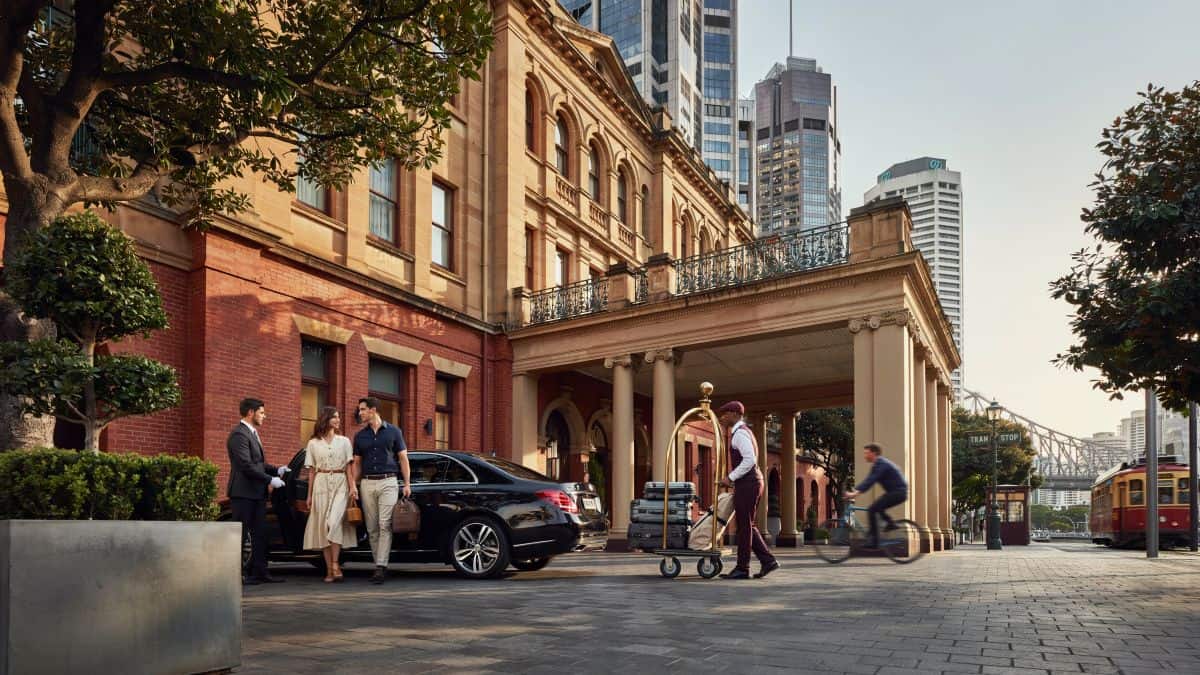
Australia’s tourism industry has begun a new phase of growth as Radisson Hotel Group selects several hotels to be built in Brisbane and Melbourne, consisting of properties which will be restored and repurposed as independent hotel franchises from well-known brands at a global level. Through this expansion, there is evidence of growing interest among global travelers for hotel concepts that provide them with real life Australian experiences while staying at the hotels.
The launching of The Merchant Hotel in Brisbane under the Radisson Individuals brand signifies the company’s entry into Queensland while in Melbourne another key hub has been created thanks to the Park Inn by Radisson Melbourne Carlton and a prospective Radisson Individuals transformation of the Canterbury International Hotel Melbourne. All these projects are evidence of the way Radisson intends to develop its presence in Australia through selected urban establishments rather than vigorous development of large-scale projects.
The strategy is concentrated on three major tourism trends influencing Australia’s hotel industry: need for unique local experiences, increase in both leisure and business travel, and greater interest from global brands in the use of older buildings and cooperating with hotels.
Instead of utilizing a single local hotel brand, Radisson has opted for a multi-brand strategy, creating Heritage properties in the Radisson Individuals category, while its latest hotels, which focus on lifestyle, are branded with Radisson RED, appealing to younger, social and experience-oriented clientele.
Advertisement
Advertisement
The Merchant Hotel Brisbane Opens A New Heritage Tourism Chapter For Queensland
The Merchant Hotel Brisbane represents the centrepiece of Radisson’s Australian expansion strategy, becoming the group’s first major entry into Queensland through the Radisson Individuals brand. Located at 63–65 Turbot Street in Brisbane’s central business district, the hotel transforms a historic commercial building into a modern boutique accommodation destination.
The property occupies Turbot House, a heritage-listed building originally constructed in 1916 for the Farmers Co-operative Distributing Company. The building once supported Brisbane’s wholesale trading economy, containing offices and facilities linked with produce distribution. Designed by architect Edward M. Myers, the structure became an important part of Brisbane’s commercial history.
Advertisement
Advertisement
The hotel’s connection with the building’s past forms a major part of its tourism identity. Instead of creating a completely new hospitality product, the project uses adaptive reuse to combine heritage storytelling with contemporary accommodation.
For visitors, this creates an experience connected to Brisbane’s history. The hotel’s merchant-inspired identity reflects the building’s former role in trade and commerce, giving travellers a stronger sense of place compared with a conventional city hotel.
The 58-room property has been designed primarily for corporate travellers, government visitors, legal professionals, short-stay guests and the growing bleisure market. Its central location places guests close to Brisbane City Hall, Queen Street Mall, Roma Street Parkland and South Bank.
The hotel’s room categories range from compact Urban Rooms to larger Superior Rooms. This approach reflects a modern urban hospitality model where location, connectivity and experience often matter more than extensive hotel facilities.
The Merchant Hotel does not operate like a large resort-style property. Instead, it focuses on efficient accommodation supported by The Lounge, a flexible social space featuring work areas, charging facilities and beverage services. This makes the hotel suitable for professionals who need a convenient base in the city while also appealing to leisure travellers exploring Brisbane.
The property demonstrates why international hotel groups are increasingly interested in heritage conversions. Existing buildings can provide unique identities, reduce the need for major redevelopment and allow destinations to preserve important architectural assets while creating new tourism value.
Advertisement
Advertisement
Park Inn By Radisson Melbourne Carlton Expands Australia’s Branded Hotel Network
Melbourne represents another important stage in Radisson’s Australian growth story through Park Inn by Radisson Melbourne Carlton, which became the company’s first Park Inn by Radisson property in Australia.
The hotel opened in November 2025 with 89 rooms, introducing Radisson’s midscale international hospitality concept to one of Australia’s strongest tourism and business destinations.
Melbourne has long been recognised as a major global city for events, culture, education, sport and corporate travel. The city attracts millions of domestic and international visitors each year through attractions such as its arts precinct, major sporting venues, universities, dining districts and conference facilities.
The arrival of Park Inn by Radisson strengthens Melbourne’s accommodation diversity by adding another internationally recognised option for travellers seeking reliable service, modern facilities and global booking access.
Unlike The Merchant Hotel Brisbane, which is built around heritage identity and boutique positioning, Park Inn by Radisson Melbourne Carlton represents a broader urban accommodation approach. Its role is to provide an internationally familiar hotel experience within Melbourne’s competitive tourism environment.
The property supports multiple traveller segments, including business visitors attending meetings and conferences, international tourists exploring Melbourne, and domestic travellers seeking centrally located accommodation.
Advertisement
Advertisement
Melbourne’s recovery as a major tourism destination has increased competition among hotel operators. International brands are increasingly looking for opportunities in the city because of its strong demand base, year-round events calendar and position as one of Australia’s most recognised visitor destinations.
Park Inn by Radisson’s arrival also provides Radisson with stronger visibility in the Australian market. While Brisbane introduced the company’s heritage-focused Radisson Individuals strategy in Queensland, Melbourne Carlton established a separate pathway through a recognised global hotel brand aimed at broader urban demand.
Together, the two properties show Radisson’s ability to adapt its model according to destination characteristics. Brisbane focuses on history and local identity, while Melbourne Carlton focuses on accessibility, consistency and international recognition.
Canterbury International Hotel Melbourne Moves Toward A New Radisson Individuals Future
Another significant Australian development is the planned transformation of Canterbury International Hotel Melbourne under the Radisson Individuals brand, further strengthening Melbourne’s role in Radisson’s national expansion strategy.
The project represents a different approach from both The Merchant Hotel Brisbane and Park Inn Melbourne Carlton because it centres on repositioning an existing independent hotel through international brand integration.
Radisson Individuals has become an important tool for hotel groups seeking expansion without completely replacing local character. The model allows independent properties to maintain their identity while gaining access to global distribution systems, loyalty programmes and international marketing support.
Advertisement
Advertisement
The Canterbury conversion follows this philosophy. Instead of creating a completely standardised international hotel, the project allows an existing Melbourne property to enter a global hospitality network while retaining its individual characteristics.
The partnership with investment firm Celestial Capital highlights the growing importance of hotel repositioning in Australia. Many cities have existing accommodation assets that can achieve stronger performance through refurbishment, improved marketing and connection with international brands.
For Melbourne, the project adds another layer to the city’s accommodation market. While Park Inn by Radisson Melbourne Carlton introduces a recognised global hotel concept, Canterbury International Hotel Melbourne represents the conversion model where existing properties gain renewed commercial potential.
This approach is becoming increasingly attractive because it can allow faster market entry compared with building entirely new hotels. It also enables hotel groups to expand into established destinations where available development land is limited or expensive.
The Canterbury project reinforces Radisson’s broader Australian strategy: combining new brands with existing assets to create a flexible hospitality portfolio that responds to different traveller needs.
With Brisbane providing a heritage-focused boutique experience and Melbourne offering both new branded accommodation and conversion opportunities, Radisson is building a diversified presence across Australia’s two major urban markets.
Advertisement
Advertisement
Australia’s Radisson Strategy Reflects A Changing Tourism Landscape
Radisson’s Australian expansion highlights a wider transformation taking place across the country’s hospitality industry. Travellers are increasingly looking beyond basic accommodation and seeking hotels that offer location, personality, convenience and a connection with the destination.
The three Australian projects show different answers to this demand.
The Merchant Hotel Brisbane uses heritage and local history to create a distinctive visitor experience. Park Inn by Radisson Melbourne Carlton focuses on international accessibility and dependable urban hospitality. Canterbury International Hotel Melbourne demonstrates how existing hotels can gain new life through global partnerships.
Together, they represent a more flexible approach to hotel development where international brands work alongside local properties instead of replacing them entirely.
This strategy is becoming increasingly relevant as Australian cities prepare for future tourism growth, stronger international connectivity and rising demand from business and leisure travellers.
New Zealand Becomes A Strategic Gateway For Radisson’s Australasia Lifestyle Expansion
While Australia represents Radisson’s emerging urban growth market, New Zealand has become a major strategic destination for the group’s lifestyle hospitality ambitions. The company is developing a presence that combines large city hotels with destination-focused properties designed around tourism experiences.
Advertisement
Advertisement
The New Zealand expansion differs from Australia’s approach. Instead of focusing mainly on heritage conversions, Radisson is using its lifestyle brand portfolio, particularly Radisson RED, to enter high-profile destinations where design, entertainment and social spaces are increasingly important parts of the guest experience.
The country’s strong international tourism reputation, adventure travel appeal and growing demand for premium urban accommodation make it an attractive market for global hotel operators.
Radisson RED Auckland Introduces A New Lifestyle Hotel Concept To New Zealand
Radisson RED Auckland represents a major milestone in Radisson’s regional expansion because it introduced both the Radisson brand and the Radisson RED lifestyle concept to New Zealand.
The property opened in Auckland in February 2026 with 322 rooms and suites, making it one of Radisson’s largest projects in the Australasia region. Unlike traditional business hotels, Radisson RED focuses on a more energetic hospitality model combining accommodation, entertainment, social spaces and design-led experiences.
Auckland is New Zealand’s largest city and its primary international gateway. The city attracts business travellers, cruise visitors, international tourists and domestic travellers exploring the country’s North Island attractions.
The hotel’s positioning reflects changing traveller behaviour. Modern visitors increasingly want accommodation that functions as more than a room. They seek places where they can work, meet, socialise and experience the local atmosphere.
Advertisement
Advertisement
Radisson RED Auckland follows this trend by creating a hospitality environment designed around lifestyle rather than only overnight stays.
The project also strengthens Auckland’s position as a regional tourism hub. As international arrivals continue to recover and expand, additional internationally recognised hotels help support visitor confidence and provide more accommodation choices for global markets.
For Radisson, the Auckland opening created an important foundation for further New Zealand growth, proving the potential of the lifestyle brand in the region.
Radisson RED Queenstown Targets One Of New Zealand’s Most Valuable Tourism Destinations
Following Auckland, Radisson is extending its lifestyle strategy into Queenstown, one of New Zealand’s most internationally recognised tourism destinations.
The planned Radisson RED Queenstown is designed to bring the brand into a completely different market environment. While Auckland represents business, culture and gateway tourism, Queenstown represents adventure, nature and premium leisure travel.
The planned property is expected to feature 221 rooms, including suites and deluxe accommodation options, along with dining spaces, rooftop hospitality areas, meeting facilities and wellness features.
Advertisement
Advertisement
Queenstown attracts visitors throughout the year through skiing, outdoor adventures, mountain landscapes, luxury tourism and international holiday experiences.
The project demonstrates how Radisson is adapting its brands according to destination demand. The same lifestyle concept that works in a major city can also be positioned in a resort-style environment where travellers are seeking memorable experiences.
The Queenstown project timeline has seen different public references, with earlier announcements indicating an early 2028 opening while later regional updates referred to late 2028. The exact schedule remains subject to confirmation.
Nevertheless, the development highlights Radisson’s confidence in New Zealand’s tourism future and its intention to build a stronger presence across both urban and leisure markets.
Fiji Projects Show Radisson’s Growing Interest In Resort Tourism
Beyond Australia and New Zealand, Fiji represents another important part of Radisson’s South Pacific expansion strategy.
Unlike Brisbane and Melbourne, where the focus is urban accommodation, Fiji projects are centred around international leisure tourism, island experiences and resort-based travel.
Advertisement
Advertisement
The country’s reputation for beaches, marine activities and luxury holidays makes it an attractive destination for global hotel groups seeking growth opportunities. Radisson’s Fiji developments demonstrate how the company is using different brands and partnership structures to enter resort markets.
Radisson Blu Mirage Resort Fiji Creates A New Island Hospitality Destination
The Radisson Blu Mirage Resort on Naisoso Island represents one of Radisson’s most ambitious South Pacific developments.
The project is located near Nadi, Fiji’s main international tourism gateway, creating a strategic position for visitors arriving from overseas markets.
The resort is planned as a large-scale hospitality development featuring 144 apartment-style units, including one-, two- and three-bedroom accommodation options.
The project combines resort facilities with a mixed ownership structure, making it different from a traditional hotel model. It includes restaurants, rooftop hospitality areas, spa facilities, conference spaces and retail components.
The development has involved major local financial participation, including support from Fiji National Provident Fund and financing arrangements connected with Fiji’s tourism investment sector.
Advertisement
Advertisement
This structure reflects a broader trend in Pacific tourism, where resorts are increasingly developed through partnerships between international hospitality brands, local investors and institutional stakeholders.
For Fiji, projects like Radisson Blu Mirage contribute to tourism infrastructure while supporting the country’s ambition to attract higher-value international visitors.
The resort also expands Radisson’s premium presence in the Pacific by offering a large-scale destination product aimed at leisure travellers seeking extended stays and resort experiences.
Mana Island Resort Fiji Combines Local Character With Global Hospitality Reach
Mana Island Resort & Spa Fiji represents another example of Radisson’s flexible expansion model.
Rather than creating a completely new resort, Radisson Individuals will support the refurbishment and repositioning of an established island property.
The resort is expected to feature approximately 160 rooms, suites and beachfront villas following redevelopment.
Advertisement
Advertisement
The project focuses on preserving the appeal of Fiji’s island tourism while adding the benefits of international branding, marketing support and global distribution.
Guests at island resorts increasingly seek authentic experiences connected with nature, culture and local communities. The Radisson Individuals model allows properties like Mana Island to maintain their unique identity while gaining access to a wider international audience.
The resort concept includes multiple leisure facilities, dining options, pools, spa services, family activities and event spaces, creating a broader holiday experience than an urban boutique hotel.
The project demonstrates how Radisson is using conversions and repositioning strategies to enter established tourism destinations where existing assets already have market recognition.
Similar to The Merchant Hotel Brisbane, Mana Island shows the value of combining local identity with global hospitality systems. However, while Brisbane focuses on heritage and business travel, Fiji focuses on leisure tourism and extended holiday demand.
Samoa Partnership Highlights Radisson’s Local Ownership Approach
Return To Paradise Resort in Samoa represents another important example of Radisson’s partnership-driven growth strategy.
Advertisement
Advertisement
The resort will become Radisson’s entry into Samoa through the Radisson Individuals brand, but the project maintains a strong focus on local ownership and cultural identity.
Unlike traditional international hotel developments where global companies may control operations and branding completely, this partnership preserves the role of Samoan ownership and management.
The resort features approximately 117 rooms and villas and is planned for refurbishment before joining Radisson’s global network.
Samoa’s tourism appeal is built around natural beauty, traditional culture and authentic island experiences. Maintaining local involvement allows the property to protect its destination character while benefiting from international marketing channels.
The partnership demonstrates why soft-brand models are becoming increasingly important in emerging tourism markets.
For destinations across the Pacific, international partnerships can provide access to global travellers without removing the local identity that makes the destination attractive.
Advertisement
Advertisement
Radisson’s Australasia Strategy Depends On Flexible Growth Models
Across Australia, New Zealand and the Pacific, Radisson’s expansion reveals a clear strategic pattern: the company is not relying on one development model.
Instead, it is selecting different approaches depending on the destination, market demand and available opportunities.
In Australia, Radisson is building presence through urban hotels and conversions.
The Merchant Hotel Brisbane represents heritage tourism and boutique corporate travel.
Park Inn by Radisson Melbourne Carlton provides a globally recognised urban accommodation option.
Canterbury International Hotel Melbourne demonstrates the potential of repositioning existing hotels.
Advertisement
Advertisement
In New Zealand, Radisson RED focuses on lifestyle hospitality in major tourism gateways.
In Fiji and Samoa, Radisson Individuals and Radisson Blu support resort development while allowing local identity to remain central.
This approach reduces reliance on expensive ground-up construction and allows the company to enter markets faster.
Heritage, Local Identity And Tourism Experiences Become The New Hospitality Priorities
One of the strongest themes connecting these projects is the importance of destination identity.
Travellers are increasingly interested in hotels that reflect where they are visiting.
In Brisbane, that identity comes from a historic commercial building.
Advertisement
Advertisement
In Auckland and Queenstown, it comes from lifestyle experiences.
In Fiji and Samoa, it comes from island culture, landscapes and local traditions.
The hospitality industry is moving away from purely standardised accommodation toward experiences that combine comfort with authenticity.
Radisson’s strategy reflects this shift by using different brands to match different traveller expectations.
Radisson Expansion Supports Future Tourism Growth Across Australasia
Radisson’s growing presence across Australia, New Zealand and the Pacific highlights the changing direction of regional tourism.
The company’s projects are not simply adding hotel rooms. They are creating new accommodation choices designed around evolving visitor expectations.
Advertisement
Advertisement
For Brisbane, The Merchant Hotel adds international recognition while preserving heritage value.
For Melbourne, new and converted properties strengthen one of Australia’s leading tourism markets.
For New Zealand and Pacific destinations, Radisson’s projects expand international hospitality options while maintaining local connections. As global travel continues to evolve, destinations that successfully combine international quality with authentic local experiences are likely to gain a stronger competitive advantage.
Radisson’s Australian And Pacific Growth Signals A New Era For Regional Hospitality
Radisson’s advancement in both Australia and the Pacific is an example of how today’s hospitality development is more dynamic, experience-oriented and partnership-based.
Radisson’s new Australian developments in Brisbane and Melbourne demonstrate its regional strategy based on heritage conservation, the need for urban tourism and the concept of independent hotels. Similar development projects in New Zealand, Fiji and Samoa allow us to witness how international chains in hospitality can foster tourism development while securing local brands.
While smaller than many other regional resorts, the Merchant Hotel Brisbane has the value of being an example of a new kind of hospitality solution combining history, character of the destination and global connectivity.
Advertisement
