
London Bridge New Train Chaos: Are Tourists Losing Faith in the Capital’s Failing Rail Network?

Updated
Published
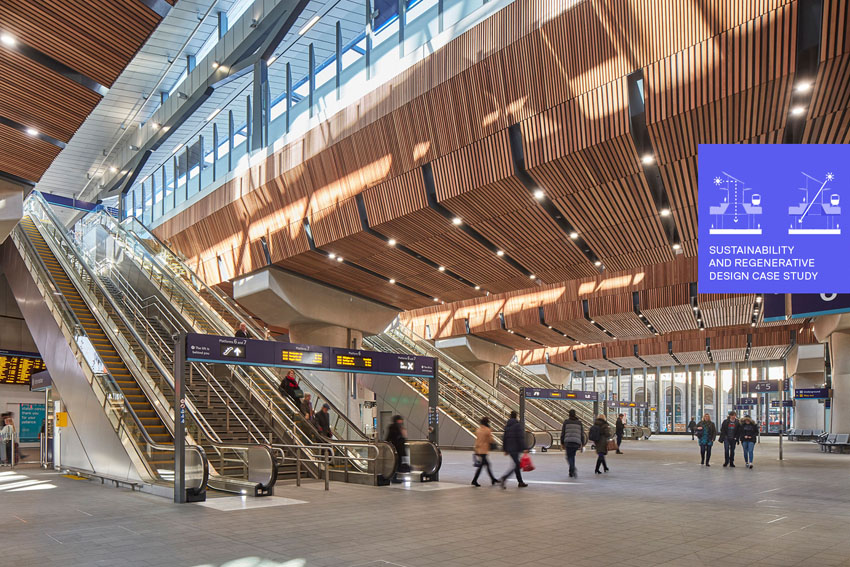 Image generated with Ai
This morning, commuters and travelers attempting to reach London Bridge station are facing widespread disruptions due to a fault at a depot between Dartford and London Bridge. With fewer trains able to leave the depot, several Thameslink services have been canceled or delayed, creating a ripple effect of frustration and inconvenience for those relying on rail travel into the capital.
Though this issue primarily affects daily commuters, tourists visiting London and surrounding areas are also significantly impacted. Delays are expected to continue until midday, with travelers urged to add at least 30 minutes to their journey or seek alternative routes. For tourists unfamiliar with London’s transport system, this situation presents additional challenges, as it not only disrupts travel plans but also adds to the overall stress of navigating a major city.
Impact on Tourists and Travelers: Unplanned Delays and Route Changes
For tourists planning to explore London or connect through the city, the train delays pose an immediate issue. While commuters may be accustomed to occasional disruptions, tourists often depend heavily on scheduled services to maximize their time and efficiency during a trip. Today’s delays between Rainham and Dartford directly affect Thameslink services heading into London Bridge, a key station for those wishing to visit the heart of the capital.
Tourists visiting landmarks such as the Shard, Borough Market, or Southbank will likely experience delays, with the knock-on effect spreading across London’s transport network. For those arriving in London to catch connections to other parts of the UK or Europe, this disruption creates the potential for missed trains and rescheduled itineraries, adding extra costs and logistical headaches to an already packed travel schedule.
Advertisement
Advertisement
Many tourists rely on precise schedules to see multiple attractions in one day, so these train delays could force them to rearrange sightseeing plans, cut out key stops, or even miss reservations at popular attractions. If the delays persist beyond midday, the impact on tourists will worsen as alternative services become more crowded and harder to access, leading to a frustrating start to their day in the city.
Alternative Routes and Travel Solutions for Affected Tourists
The National Rail has advised travelers affected by the depot fault between Rainham and Dartford to allow extra time for their journeys or explore alternative services. While Thameslink trains are running at reduced capacity, Southeastern services and other Thameslink routes remain operational. For tourists, this means potentially adjusting their travel plans on the go, which can be challenging without in-depth knowledge of London’s intricate transport network.
Advertisement
Advertisement
For international visitors or those less familiar with the city, navigating these alternative routes can be stressful and time-consuming. Many may not be aware of the specific stations or lines they need to switch to, leading to confusion and added delays. Tourists might need to opt for buses, taxis, or other public transport options, which can increase their travel expenses and require additional planning.
Key Advice for Tourists:
- Add at least 30 minutes to your planned journey to avoid missed connections.
- Consider using Southeastern services or the London Underground to complete your trip.
- Check live travel updates via the National Rail app or website for the latest information.
While National Rail has reassured passengers that tickets for canceled trains will be honored on alternative services, tourists might find that these trains are busier than usual due to the overflow of commuters. For those with a tight schedule, this could lead to further delays and inconvenience.
The Broader Impact on the Travel Industry
Although today’s train disruptions may seem like a localized issue, such incidents can have a broader impact on the travel industry, particularly for international tourists visiting London. Rail reliability is a critical factor for many travelers, especially those using London as a hub to explore other parts of the UK or Europe. Delays and service cancellations not only affect the immediate journey but also create a negative impression of the city’s transport system for first-time visitors.
Tourists who rely on public transport for sightseeing and city tours may be deterred from using the rail network in the future if they experience major delays during their visit. In a city like London, where efficient public transport is a key selling point for tourism, this could lead to a preference for private transport options like taxis or rideshare services, increasing costs for travelers and potentially impacting the environment.
International travelers often plan their trips around strict itineraries, making smooth and reliable transport essential. Disruptions like this depot fault not only inconvenience tourists but can also affect businesses that rely on tourism. Restaurants, museums, guided tours, and hotels might see a dip in visitors or reservations as tourists struggle to navigate the disrupted transport system.
Advertisement
Advertisement
Long-Term Considerations for the Travel Industry
Frequent travel disruptions can erode confidence in public transport systems, especially for tourists who rely on efficiency and clarity in an unfamiliar city. While today’s issues are expected to resolve by midday, the overall perception of London’s transport network might be impacted if such incidents continue to occur regularly. For the tourism industry, ensuring reliable access to major city hubs like London Bridge is crucial for maintaining visitor satisfaction.
In a broader sense, the travel industry needs to consider the importance of communication during transport disruptions. Providing tourists with clear, real-time information about alternative routes and expected delays can help mitigate some of the frustration caused by train cancellations. Hotels, tour operators, and other travel-related businesses could also play a role by offering advice to guests on how to navigate transport disruptions, ensuring that tourists are not left in the dark.
Given London’s status as one of the world’s top tourist destinations, even minor transport issues can have a global ripple effect. Travelers from various parts of the world who rely on trains to access London’s key attractions might reconsider using public transport if such disruptions become a common experience. Therefore, resolving these issues efficiently and improving future contingency plans will be vital for the city’s ongoing success as a tourist hub.
Looking Ahead: The Importance of Travel Reliability for Tourists
As London Bridge and Thameslink services work to resolve today’s disruption, the focus should shift to improving transport resilience for the benefit of tourists and travelers. In the increasingly competitive world of global tourism, cities like London must ensure that transport networks are reliable and capable of handling disruptions quickly and efficiently.
For tourists planning their London itineraries, this means hoping for smoother journeys in the future, with fewer disruptions that impact their travel experience. As London continues to attract millions of visitors each year, its transport infrastructure will need to keep pace with the demands of both daily commuters and international tourists.
Advertisement
