
Greece And Turkey Travel Hit By Deadly Storms As Floods Disrupt Rhodes And Istanbul Holidays

Updated
Published
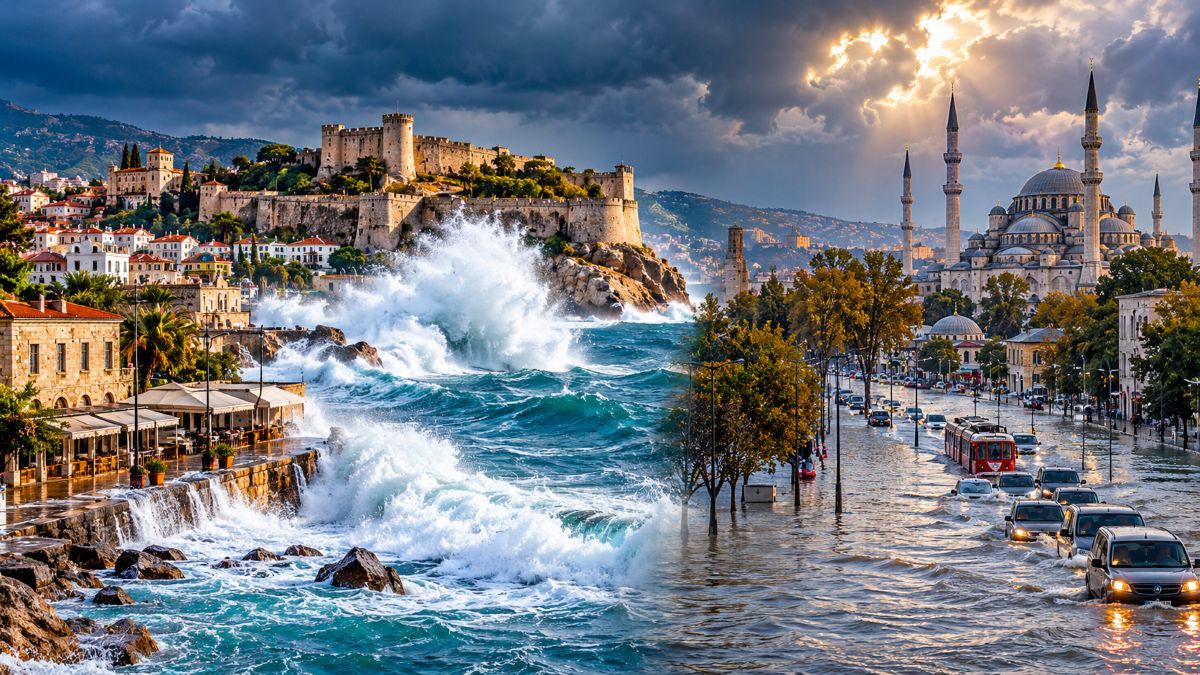
Greece and Turkey are confronting serious travel disruption after intense rainfall and severe storms flooded streets, damaged roads and affected essential services across popular holiday destinations. Istanbul and the Greek island of Rhodes have reported fatalities, while Skiathos, Euboea and other locations have experienced property damage and transport interruptions. The extreme weather has created fresh challenges for autumn holidaymakers, with road journeys, local excursions and connections between destinations potentially affected.
Authorities are urging residents and visitors to exercise caution as recovery operations continue. Further rainfall could intensify flooding in parts of north-western Turkey, while Greek communities work to restore damaged infrastructure and clear debris.
Advertisement
Advertisement
Istanbul Faces Renewed Flooding And Transport Disruption
Istanbul has suffered extensive flooding after heavy rainfall inundated roads, underpasses, homes and commercial premises. Floodwaters swept vehicles away and left thousands of people requiring assistance. Reports published on 15 October 2026 indicated that at least three people had died, including a 14-year-old boy who suffered an electric shock in a flooded puddle in Fatih and a 34-year-old woman who died following a fall on a flooded street in Sarıyer. Another person was found dead near a park in Kağıthane, while five people were reported missing.
The severity of the rainfall has placed additional pressure on the city’s transport network and emergency services. Schools were temporarily closed, and restrictions affected motorcycle travel. Turkey’s meteorological authorities warned that further heavy rain could affect Istanbul between 16 and 17 October. Travellers should monitor official announcements, avoid flooded underpasses and confirm airport transfers before setting out.
Advertisement
Advertisement
Istanbul Districts Face Continuing Weather Risks
Several districts on Istanbul’s European side have experienced significant flooding, including Sarıyer, Eyüpsultan, Arnavutköy, Başakşehir and Sultangazi. Kağıthane also experienced flooding after a local stream overflowed, affecting areas around the historic Sadabat Mosque. In Sarıyer, powerful floodwaters damaged and carried away vehicles, illustrating the risks associated with driving during extreme rainfall.
The forecast threat extends to northern parts of Istanbul and areas of Kırklareli province. Heavy rain can trigger flash floods, landslides and sudden road closures, making journeys unpredictable even when rainfall temporarily subsides. Visitors should avoid unnecessary travel through affected neighbourhoods and follow instructions from emergency personnel. Hotels and tour operators may also have updated information about access restrictions, cancelled excursions and alternative arrangements for guests.
Advertisement
Advertisement
Rhodes Reports Fatalities And Serious Coastal Damage
The Greek island of Rhodes, a popular Mediterranean holiday destination, has suffered substantial damage from torrential rain and flooding. A 62-year-old hotel employee died after floodwaters swept his vehicle into the sea. The coastguard subsequently recovered his body near Stegna beach. Hotels, shops and roads were also affected, leaving residents and tourism businesses facing extensive clean-up operations.
Further disruption occurred on 15 October when a rock weighing approximately 60 tonnes fell onto the access road to Anthony Quinn Bay. More than 100 people were initially stranded before leaving through a temporary passage. In Faliraki, flooding affected hotels and commercial premises, with some guests reportedly requiring assistance in inundated areas. Travellers planning visits to these coastal attractions should confirm local access conditions and avoid unstable slopes, damaged roads and areas cordoned off by authorities.
Advertisement
Advertisement
Skiathos Flooding Affects Homes And Businesses
Skiathos has experienced widespread flooding, with water and mud entering residential properties and commercial buildings. Reports indicated that more than 20 homes and 50 businesses were affected. Vehicles were swept away, trees fell and streets required clearance as emergency crews and local workers began assessing the damage.
The disruption also affected daily services. Schools and a childcare facility temporarily closed, while bus operations were suspended. These interruptions may influence airport transfers, excursions and journeys between accommodation and local attractions. Damage to the island’s water supply system created an additional concern after flood-borne material entered part of the network. A temporary warning advised against drinking or cooking with water supplied through the central system. Visitors should follow current public-health guidance and confirm whether their accommodation has access to safe drinking water.
Skopelos And Euboea Experience Infrastructure Problems
Other Greek destinations, including Skopelos and Euboea, have also faced difficult weather conditions. Flooding, damaged roads and interrupted connections can create considerable problems for island communities, where transport options may be limited and essential services depend on a small number of accessible routes.
For holidaymakers, these conditions can affect transfers, sightseeing plans and access to restaurants or other facilities. Travellers moving between towns on Euboea should check road conditions before departure and avoid routes that authorities have closed or identified as dangerous. On Skopelos, visitors should confirm whether their intended journeys remain possible and allow additional time for local travel. Even after floodwaters recede, mud, damaged surfaces and unstable ground may continue to pose risks.
Advertisement
Advertisement
Crete And Athens Remain Important Areas To Monitor
Crete and the Athens region also warrant attention as travellers monitor weather developments across Greece. Conditions can vary between islands, coastal areas and inland districts, so a general improvement in one location does not necessarily mean that another is safe for travel.
Visitors should check official forecasts before arranging mountain excursions, coastal drives or outdoor activities. Heavy rainfall can increase the likelihood of flash flooding, landslides and temporary transport restrictions. Travellers should also maintain contact with hotels and tour operators, particularly when planning journeys that depend on rural roads or exposed coastal routes. Current local information is more useful than relying solely on earlier forecasts or reports from unaffected destinations.
Ferry Services And Holiday Connections
Ferry connections are essential for travellers moving between Greek islands and the mainland. Severe weather can affect sailing schedules, port access and onward connections, although individual cancellations must be confirmed with the relevant operator.
Visitors should check departure times before leaving their accommodation and allow extra time for journeys to ports. Those connecting ferry services with flights should review their booking conditions and consider the consequences of delays. In Istanbul, renewed rainfall could also affect road journeys and public transport, making it important to verify transfer arrangements.
| Destination | Reported Impact | Travel Consideration |
|---|---|---|
| Istanbul | Flooding, fatalities and transport disruption | Monitor warnings and avoid flooded roads |
| Rhodes | Flood damage and a major rockfall | Confirm access to coastal attractions |
| Skiathos | Flooded homes, businesses and interrupted bus services | Check local transport and water-safety advice |
| Skopelos | Severe weather and potential access difficulties | Verify road and ferry arrangements |
| Euboea | Damaged roads and disrupted connections | Check routes before travelling |
| Crete and Athens | Weather monitoring remains important | Follow current local forecasts |
What Travellers Should Do During The Storms
Safety should take priority over sightseeing while emergency crews assess damage and restore essential services. Visitors should avoid flooded streets, underpasses, unstable slopes and roads closed by authorities. Walking or driving through floodwater is dangerous because water depth, submerged obstacles and electrical hazards may be impossible to assess accurately.
Travellers should contact airlines, ferry companies, hotels and excursion providers to confirm whether bookings remain valid. They should retain receipts and written cancellation notices in case additional expenses need to be submitted to an insurer. Anyone unable to reach accommodation safely should contact local authorities or emergency services for assistance. Travellers should also follow instructions concerning drinking water, temporary evacuations and restricted access to damaged areas.
Advertisement
Advertisement
Travel Insurance And Passenger Rights
Compensation and assistance depend on the booking arrangement, applicable regulations, policy conditions and the circumstances of each disruption. Package holidays may provide different protections from separately booked flights, accommodation and excursions.
Travellers should examine their insurance policies and reservation terms before making decisions about cancellations or alternative accommodation. Weather-related losses are not automatically covered by every policy, and some insurers require supporting evidence. Passengers should request written confirmation of cancellations and ask providers to explain available alternatives or refunds. Keeping itemised receipts and records of additional expenses can help when submitting a claim.
Frequently Asked Questions
1. Which countries are affected by the October 2026 storms?
Greece and Turkey have experienced severe rainfall, flooding and travel disruption, particularly in Istanbul and several Greek island destinations.
2. Is Istanbul experiencing serious flooding?
Yes. Flooding has affected roads, homes and businesses, while transport services have experienced disruption and further heavy rain has been forecast.
Advertisement
Advertisement
3. Which Istanbul districts have been affected?
Reportedly affected districts include Sarıyer, Eyüpsultan, Arnavutköy, Başakşehir, Sultangazi and Kağıthane.
4. Has Rhodes been affected by the storms?
Yes. Rhodes has experienced flooding, fatalities, damaged roads and a major rockfall affecting access to Anthony Quinn Bay.
5. Can visitors travel to Anthony Quinn Bay?
A rockfall blocked its access road on 15 October. Visitors should confirm current conditions with local authorities before attempting to visit.
Advertisement
Advertisement
6. What happened on Skiathos?
Flooding damaged homes and businesses, swept away vehicles and temporarily disrupted bus services and some educational facilities.
7. Could Greek ferry services be cancelled?
Severe weather may disrupt ferry operations. Passengers should confirm sailing schedules and any changes directly with their operators.
8. Should tourists cancel holidays to Greece or Turkey?
Not automatically. Travellers should assess official warnings, conditions at their specific destination and the accessibility of their accommodation before deciding.
Advertisement
Advertisement
9. What should visitors do if flooding affects their hotel?
They should follow emergency instructions, contact hotel management and move to a safe location if directed by authorities.
10. Does travel insurance cover storm-related disruption?
Coverage varies by policy. Travellers should check exclusions, cancellation conditions and documentation requirements before claiming reimbursement.
Advertisement
