

Nepal’s Manaslu Becomes Biggest Adventure Magnet as Record 422 Climbers Create a Himalayan Tourism Wave

Published
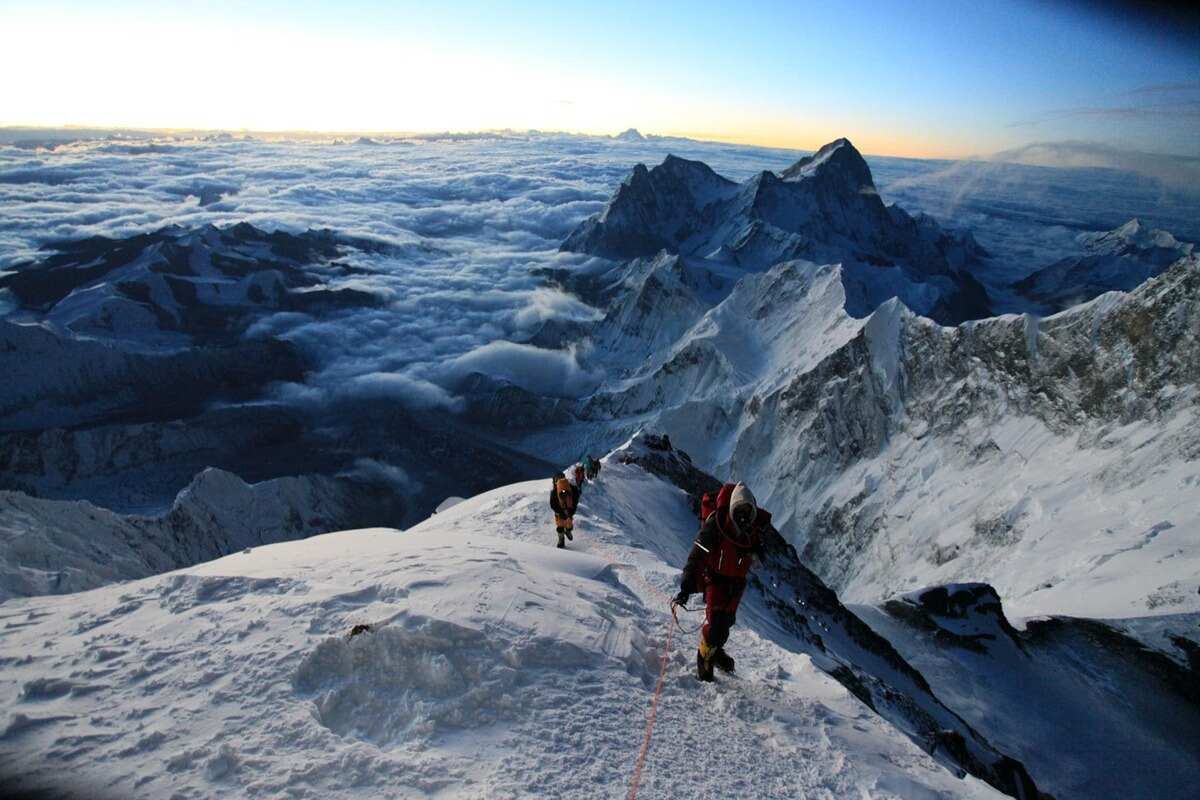
Manaslu sets a record with 422 climbers as improved expedition activity and high demand for adventure drives Himalayan tourism. Nepal’s Manaslu mountain has reached a historic milestone this autumn climbing season with a new record for most mountaineers recorded. Roughly 400 other climbers are bound for Manaslu to take on the eighth-highest peak in the world. Government data on the leading Himalayan peaks for the fall season of expeditions show a growing international interest in adventure tourism at high altitudes. Other Himalayan peaks have not even come close to the numbers Manaslu has drawn.
Standing at 8,163 metres above sea level, Manaslu has received climbing permits for 422 climbers representing 35 expedition teams this season. The number places the mountain far ahead of other peaks included in the latest autumn royalty report and highlights its rising importance in Nepal’s mountaineering industry.
Advertisement
Advertisement
The latest data shows that Manaslu alone accounts for the majority of climbers and expedition groups among the three peaks covered in the September 9, 2026 update. A total of 441 climbers from 38 teams have received permits for Manaslu, Makalu I and Danga combined, with the majority choosing the challenging Himalayan giant.
Manaslu Becomes Nepal’s Leading Autumn Climbing Destination
The autumn season has brought a strong wave of international climbing activity to Manaslu, with 422 permitted climbers preparing for their summit attempts. Among them, 313 are male climbers and 109 are female climbers, showing continued participation from a diverse range of mountaineers.
Advertisement
Advertisement
The mountain has also delivered a significant contribution to Nepal’s adventure tourism revenue. According to the latest royalty figures, Manaslu has generated around $1.266 million in climbing fees during the current autumn season.
The growing demand for Manaslu expeditions reflects the mountain’s reputation as one of the most attractive alternatives for climbers seeking a major Himalayan challenge. While Everest remains the world’s most recognised climbing destination, Manaslu has gained popularity because of its technical difficulty, remote landscape and comparatively quieter expedition environment.
Advertisement
Advertisement
The latest figures underline how strongly the autumn mountaineering season is focused on Manaslu. Out of the 38 expedition teams recorded across the three mountains, 35 teams are heading towards Manaslu, while 422 of the total 441 climbers are attempting the peak.
Expedition Teams Advance as Route Preparation Reaches Higher Camps
Preparations for the Manaslu climbing season have moved forward as expedition teams continue their efforts to establish a safe route towards the summit. The climbing route has already been fixed with ropes up to Camp III, allowing teams to begin important acclimatization rotations and transport equipment to higher sections of the mountain.
The opening of the route to Camp III represents a crucial stage in the expedition timeline. Climbers require multiple rotations between camps to adjust their bodies to extreme altitude before making a final summit push.
Further route preparation towards Camp IV and the summit area will depend on weather patterns, snowfall conditions and overall mountain safety. Expedition teams are expected to continue monitoring conditions while gradually moving equipment and supplies higher on the mountain.
With the route infrastructure improving, climbers are now focusing on acclimatization and preparation for the next stages of their attempts. The autumn season remains highly dependent on favourable weather windows, which determine when teams can safely progress towards the upper sections of the peak.
Other Himalayan Peaks Record Smaller Expedition Activity
While Manaslu has attracted the majority of climbers this autumn, other mountains included in the latest Department of Tourism report have also received climbing interest.
Advertisement
Advertisement
Makalu I, which rises to 8,463 metres and is higher than Manaslu, has received permits for three climbers from a single expedition team. The peak has generated approximately $4,500 in climbing royalties during the season.
Danga, a 6,220-metre mountain, has attracted 16 climbers from two expedition teams. The group includes 14 male climbers and two female climbers. The peak has contributed around $1,168 in royalty revenue.
Together, the three mountains have generated total climbing royalty income of $1,271,668 from 441 permitted climbers. The figures demonstrate the continued economic importance of Nepal’s mountain tourism sector, which supports expedition operators, guides, accommodation providers, transport services and local communities in Himalayan regions.
Rising Interest Highlights Nepal’s Growing Adventure Tourism Appeal
The latest Manaslu numbers also represent a significant increase compared with earlier figures released during the season. Previous data showed that 348 climbers from 29 expedition teams had received permits for Manaslu. The latest update adds 74 more climbers and six additional teams, confirming stronger demand as the season progresses.
The increase demonstrates the continued global attraction of Nepal’s mountain destinations during the autumn climbing period. The season is considered one of the most favourable periods for Himalayan expeditions because of generally stable weather conditions compared with other months.
Manaslu’s record permit numbers provide another boost for Nepal’s adventure tourism sector, which relies heavily on international climbers and trekking visitors. The growth in expedition activity also creates wider economic opportunities in mountain regions through employment, logistics, hospitality and support services.
Advertisement
Advertisement
As teams continue their preparations, the focus will remain on safety, weather conditions and successful summit attempts. With hundreds of climbers already committed to the expedition, Manaslu is set to remain one of Nepal’s biggest mountaineering highlights during the 2026 autumn season.
Advertisement
