
Poland’s Economic Rise Puts Its Travel Industry in Focus as Railways, Airports and Investment Reshape European Tourism

Updated
Published
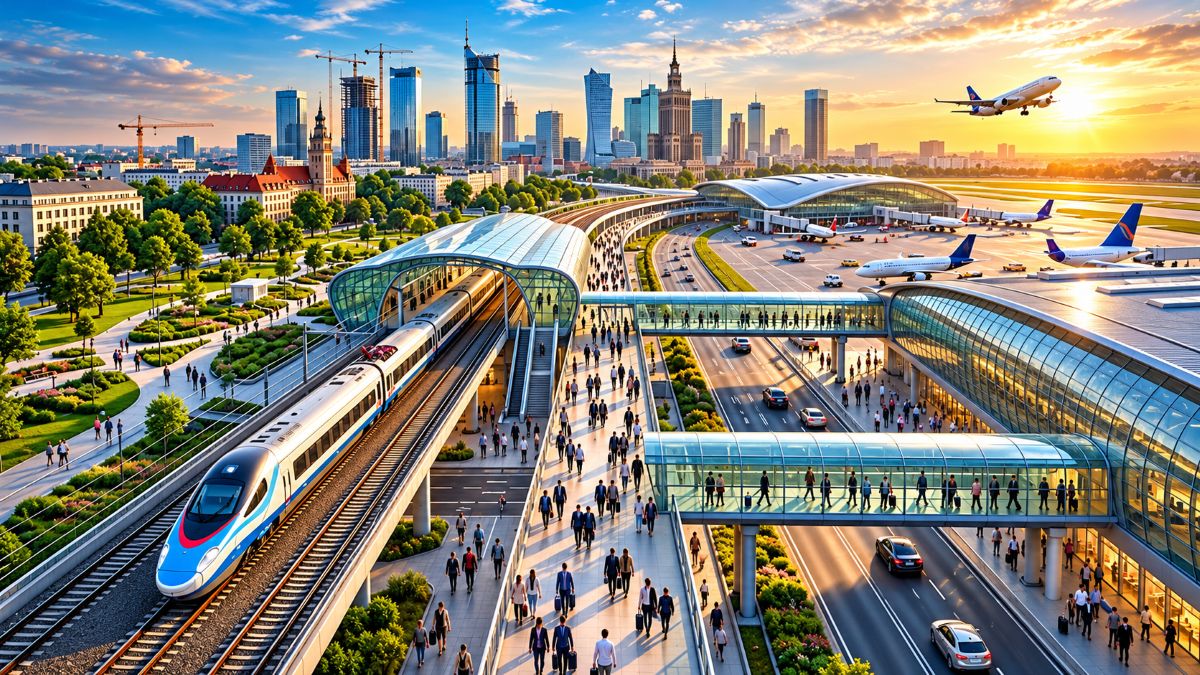
Poland is attracting growing attention as an emerging economic powerhouse in Europe, with implications for tourism, transport infrastructure and international visitor demand. A prominent travel industry investor has identified the country as an outstanding investment opportunity beyond Western Europe, highlighting its skilled workforce, favourable demographics, engineering capabilities and independent monetary policy. These strengths are increasingly relevant to the future of European travel as infrastructure investment and regional connectivity gain importance.
The country’s expanding economic profile also raises questions about its potential to attract international visitors, business travellers and hospitality investment. With high-speed rail development, airport upgrades and improved transport connections featuring prominently in its growth outlook, Poland could strengthen its position as a destination for both leisure and corporate travel.
Advertisement
Advertisement
Poland’s Economic Growth Creates New Opportunities for Tourism
Poland’s economic development is becoming an important consideration for the European travel industry. Its growing industrial base, established technical workforce and strategic position between Western and Eastern Europe provide a foundation for wider investment across transport, accommodation and visitor services. Economic expansion can support tourism by encouraging business travel, increasing domestic purchasing power and creating demand for better hospitality infrastructure.
Greg O’Hara, founder of Certares and a prominent travel industry investor, singled out Poland during a travel industry summit in Dublin on 15 October 2026. His assessment focused on the country’s workforce, demographics, engineering talent and ability to manage monetary policy through its own currency. These factors help explain why Poland is attracting attention beyond its traditional role as a manufacturing and business destination.
Advertisement
Advertisement
High-Speed Rail Could Transform European Travel Connections
Rail infrastructure is emerging as a significant element of Poland’s long-term transport ambitions. O’Hara highlighted the country’s potential to become a central hub for European high-speed rail, pointing to investment in railway infrastructure, stations and airports. Improved rail services could make journeys between major cities more convenient and strengthen connections with neighbouring markets.
For tourism, better railway connectivity can encourage visitors to explore multiple destinations during a single trip. Faster connections between business centres, historic cities and regional attractions may also help distribute visitor spending beyond established gateways. However, the scale of these benefits will depend on project delivery, service frequency, affordability and the integration of rail services with airports and local public transport.
Advertisement
Advertisement
Why Poland’s Transport Investment Matters for Tourism
Transport infrastructure can influence destination competitiveness by reducing journey times and improving access to attractions, accommodation and commercial districts. Poland’s location makes these developments particularly relevant to travellers moving between Central Europe and the wider European market.
| Key Area | Potential Development | Relevance to Travel and Tourism |
|---|---|---|
| High-speed rail | Improved intercity connectivity | More convenient multi-city itineraries |
| Airports | Investment in aviation infrastructure | Greater potential for international access |
| Railway stations | Modernised passenger facilities | Smoother transfers and improved visitor experiences |
| Skilled workforce | Engineering and technical expertise | Support for infrastructure delivery and tourism services |
| Economic growth | Greater business activity and investment | Potential demand for hotels and corporate travel |
| Regional connections | Improved links between destinations | Wider distribution of tourism spending |
These are potential opportunities rather than confirmed outcomes. Their real impact will depend on completed infrastructure, transport schedules, airline capacity and the ability of tourism businesses to respond to changing demand.
Business Travel Could Strengthen Poland’s Hospitality Market
Poland’s economic profile could help support business travel as companies expand operations, establish regional offices and develop commercial relationships. Corporate visitors typically generate demand for hotels, conference venues, restaurants, ground transport and other professional services. Cities with strong transport connections and established business districts may be particularly well positioned to benefit.
An expanding business travel market can also support leisure tourism when visitors extend work trips for sightseeing or return with family members. This pattern creates opportunities for hotels and destination operators to develop packages combining meetings, cultural experiences and short city breaks.
Nevertheless, economic growth alone does not guarantee an increase in international arrivals. Travel demand also depends on flight availability, accommodation prices, destination reputation, visitor spending power and wider geopolitical conditions. Poland’s ability to translate economic momentum into sustained tourism growth will therefore require coordinated investment across infrastructure and visitor services.
Poland’s Currency and Workforce Strengthen Its Investment Appeal
O’Hara also drew attention to Poland’s independent currency and its capacity to determine monetary and interest rate policy. Such policy flexibility can be relevant to investors assessing economic conditions, although currency movements can introduce both opportunities and risks for businesses operating across borders.
Advertisement
Advertisement
The country’s engineering capabilities and technical training were additional factors in his assessment. These strengths may support complex infrastructure programmes and the wider development of transport networks. For the travel sector, the availability of skilled workers is relevant not only to construction but also to aviation operations, hospitality management and transport services.
Investors considering tourism-related projects must still assess financing costs, labour availability, construction timelines and expected visitor demand. A favourable economic outlook should be treated as one component of a broader commercial assessment rather than a guarantee of returns.
Cultural Attractions Can Complement Infrastructure Development
Poland’s tourism appeal extends beyond its economic prospects. Historic city centres, museums, cultural institutions, natural landscapes and established urban destinations provide a foundation for leisure travel. Better transport links could make these attractions easier to combine within longer itineraries, potentially encouraging visitors to explore destinations beyond the most familiar urban centres.
Improved rail access may be particularly valuable for travellers seeking convenient connections between cultural attractions and business hubs. Regional tourism operators could benefit if infrastructure development is accompanied by effective destination marketing, reliable local transport and suitable accommodation.
Tourism growth, however, must be managed responsibly. Destination authorities and businesses need to consider environmental pressures, local housing markets, public transport capacity and the preservation of historic neighbourhoods. Sustainable planning can help ensure that greater visitor numbers translate into lasting economic benefits for local communities.
Challenges That Could Influence Poland’s Tourism Prospects
Despite the opportunities, several factors will determine how successfully Poland converts economic growth into travel demand. Major rail and airport projects can require substantial capital, complex planning and lengthy construction periods. Delays or cost increases could affect the timing of expected connectivity improvements.
Advertisement
Advertisement
Competition from other European destinations is another consideration. Travellers compare prices, journey times, accommodation quality and experiences when choosing where to visit. Poland will need to maintain competitive visitor services while improving accessibility and preserving the cultural characteristics that distinguish its destinations.
The wider European economic environment will also influence business confidence, household spending and international travel patterns. For this reason, investor endorsements provide useful insight into market sentiment but should not be confused with independently verified forecasts of tourism growth.
Poland’s Position in Europe’s Future Travel Market
Poland’s economic momentum, skilled workforce and infrastructure ambitions are bringing renewed attention to its potential role in European travel. The investment perspective expressed by O’Hara underscores the relationship between economic competitiveness, transport connectivity and long-term opportunities in the travel industry.
If planned infrastructure improvements translate into faster journeys, better airport access and more convenient regional connections, Poland could become increasingly attractive to business travellers, leisure visitors and tourism investors. The outcome will depend on execution, market demand and the quality of the visitor experience rather than economic growth alone.
For travel businesses, Poland represents a market worth monitoring as transport development and investment reshape European mobility. Its future tourism performance will become clearer as infrastructure projects advance and measurable changes emerge in visitor arrivals, accommodation demand and international connectivity.
Frequently Asked Questions
1. Why is Poland attracting attention from travel industry investors?
Advertisement
Advertisement
Poland is attracting interest because of its economic development, skilled workforce, engineering capabilities, strategic European location and potential for transport infrastructure investment.
2. What did Greg O’Hara say about Poland?
O’Hara identified Poland as an outstanding investment opportunity outside Western Europe, highlighting its workforce, demographics, monetary policy flexibility and infrastructure ambitions.
3. How could high-speed rail benefit Polish tourism?
Improved rail services could reduce journey times, simplify multi-city itineraries and make regional attractions more accessible to domestic and international visitors.
4. Why are airports important to Poland’s tourism growth?
Advertisement
Advertisement
Airports provide international access for leisure travellers and business visitors while supporting connections between Polish cities and overseas markets.
5. Could Poland attract more business travellers?
Economic expansion and commercial investment could support demand for corporate accommodation, conferences, meetings and related hospitality services.
6. How could transport improvements benefit regional destinations?
Better connections could encourage visitors to travel beyond major urban centres, creating opportunities for regional attractions, accommodation providers and local businesses.
7. Does Poland’s economic growth guarantee tourism expansion?
Advertisement
Advertisement
No. Tourism performance also depends on transport capacity, visitor spending, accommodation prices, destination marketing and wider economic conditions.
8. What challenges could affect Poland’s travel infrastructure plans?
Financing requirements, construction delays, rising costs, planning complexity and operational challenges could affect the timing and benefits of major projects.
9. How can Poland develop tourism sustainably?
Investment in public transport, responsible destination management, heritage preservation and environmental protection can help balance visitor growth with local community needs.
10. What should travel businesses monitor in Poland?
Travel businesses should monitor rail and airport developments, international connectivity, hotel demand, business travel activity and measurable changes in visitor arrivals.
Advertisement
