
United States Follows Brazil and Others to Discover France’s Historic Castles Through Cultural Tourism

Updated
Published
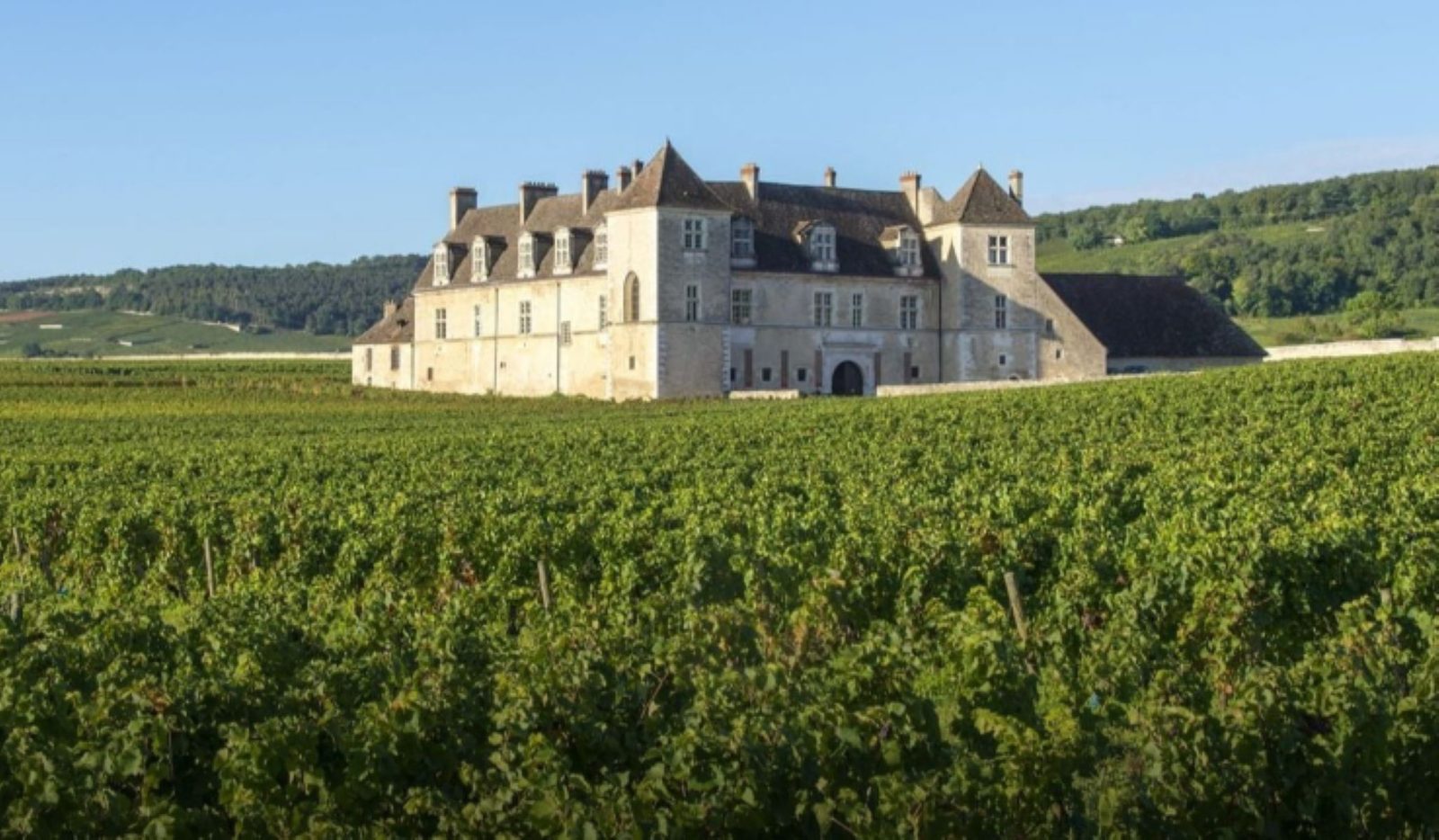
France’s royal heritage tours offer travellers from the United States, Brazil, Canada and Mexico an opportunity to explore 15 historic châteaux through cultural journeys, scenic rail connections and regional sightseeing. From the Palace of Versailles and Château de Chambord to medieval fortresses in Normandy and Occitanie, these destinations reveal the country’s architectural, artistic and natural heritage. France’s historic castles support international tourism by connecting established attractions with smaller regional destinations. Visitors can combine palace visits, Renaissance gardens, vineyard experiences and outdoor exploration. This provides wider opportunities for regional tourism businesses, accommodation providers and cultural attractions beyond Paris.
France Tourism 2026: International Arrivals, Visitor Spending and Heritage Travel Opportunities
France entered 2026 with substantial international tourism activity. Figures released by the French Ministry of the Economy and Atout France in February 2026 confirm that the country welcomed 102 million international visitors during 2025, compared with 100 million in 2024. International tourism receipts reached €77.5 billion, an increase of 9% year on year. These results establish the wider economic context for castle tourism, although they do not measure visits to individual châteaux. France’s heritage destinations provide opportunities to distribute travel expenditure across cities, smaller communities and rural areas.
Advertisement
Advertisement
- France recorded 102 million international tourist arrivals in 2025.
- International tourism receipts reached €77.5 billion.
- International visitors generated 743 million overnight stays.
- Commercial accommodation recorded 261.2 million overnight stays by international visitors.
- Average international tourism expenditure was reported at approximately €760 per stay.
France Tourism Performance: Official Figures Published in 2026
| Tourism indicator | Latest verified figure | Reference period |
|---|---|---|
| International visitor arrivals | 102 million | 2025 |
| Previous international arrivals | 100 million | 2024 |
| International tourism revenue | €77.5 billion | 2025 |
| Annual revenue growth | 9% | 2025 vs 2024 |
| International overnight stays | 743 million | 2025 |
| Commercial accommodation nights by international visitors | 261.2 million | 2025 |
| Average international visitor expenditure | €760 per stay | 2025 |
United States Travellers Can Explore Versailles, Chambord and Chenonceau Through Royal Heritage Tours
The United States represents France’s largest long-haul tourism source market. Atout France’s September 2026 market assessment records 5.5 million American arrivals in 2025, generating approximately €7.3 billion in tourism receipts. Arrivals increased by 10%, while revenue grew by 17% compared with 2024. During January–August 2026, air arrivals from the United States rose by 2.3% year on year. American visitors can combine Paris with Versailles before extending their holidays into the Loire Valley. Chambord offers Renaissance architecture, Chenonceau provides riverside experiences, and Villandry introduces ornamental gardens and historic horticultural traditions.
Advertisement
Advertisement
- Begin in Paris and visit the Palace of Versailles through an organised palace tour or independent excursion.
- Continue by train towards Blois and explore Château de Chambord using local transfers.
- Discover Château de Chenonceau through guided visits, cycling excursions or seasonal canoe experiences.
- Visit Château de Villandry for Renaissance gardens and heritage horticulture.
- Extend the itinerary to Château de Chantilly for fine art collections, landscaped grounds and French gastronomy.
United States–France Tourism and Château Experiences
| Indicator or destination | Verified information or travel opportunity |
|---|---|
| American arrivals in France, 2025 | 5.5 million |
| Tourism expenditure, 2025 | €7.3 billion |
| Arrival growth, 2025 | 10% |
| Air arrival growth, Jan–Aug 2026 | 2.3% |
| Versailles | Royal palace and landscaped estate |
| Chambord | Renaissance architecture and historic gardens |
| Chenonceau | River Cher gallery and cycling routes |
| Suggested transport | Transatlantic flight, domestic rail and local transfers |
Brazil Expands France Heritage Travel Opportunities Through Loire Valley Castles and Burgundy Wine Estates
Brazil is an important Latin American tourism source market for France, particularly for cultural travel, gastronomy and premium experiences. Atout France’s July 2026 assessment identifies Brazil as France’s leading Latin American source market and its third-largest long-haul market outside Europe. The agency reports that many Brazilian travellers spend approximately 10–14 days abroad, creating opportunities for itineraries extending beyond Paris. Château de Chambord, Château de Chenonceau and Château du Clos de Vougeot provide complementary experiences involving Renaissance architecture, riverside heritage and Burgundy’s winemaking traditions. Travellers can use intercity trains, guided excursions and private transfers to connect these destinations.
Advertisement
Advertisement
- Discover Chambord’s Renaissance architecture and historic organic vegetable gardens.
- Explore Chenonceau’s river-spanning gallery through cultural visits and scenic cycling routes.
- Visit Clos de Vougeot to understand Burgundy’s centuries-old winemaking traditions.
- Explore Château de Grignan and the surrounding lavender and vineyard landscapes.
- Combine cultural attractions with regional gastronomy, railway journeys and personalised sightseeing.
Brazil–France Tourism Market and Heritage Opportunities
| Indicator or attraction | Official information or visitor experience |
|---|---|
| Market significance | Leading Latin American source market for France |
| Long-haul market position | Third outside Europe, according to Atout France |
| Typical reported stay | Approximately 10–14 days |
| International tourism receipts from Brazil | More than €1.2 billion, as reported in the 2026 market profile |
| Chambord | Renaissance heritage and sustainable gardens |
| Clos de Vougeot | Burgundy winemaking history |
| Grignan | Literary heritage and Provençal countryside |
| Suitable travel arrangements | Regional trains, organised tours and local transfers |
Canada Connects With France’s Royal Castles Through Paris, Normandy and Loire Valley Rail Journeys
Canada represents an established long-haul market for French tourism, supported by cultural connections and interest in European travel. Atout France’s June 2026 assessment, drawing on Statistics Canada, reports that Canadians made 14.2 million trips outside the United States in 2025, an increase of 9.2% compared with 2024. During the third quarter of 2025, France ranked as the second-most-visited destination outside the United States for Canadian travellers, behind Italy. Canadian visitors can explore Versailles, Château Gaillard and Château des Ducs de Bretagne before continuing into the Loire Valley, using rail services alongside regional transport connections.
Advertisement
Advertisement
- Visit Versailles to explore French royal history, palace architecture and historic gardens.
- Travel towards Normandy to discover Château Gaillard, overlooking the River Seine.
- Explore Château des Ducs de Bretagne in Nantes and its museum of regional history.
- Continue to Chenonceau for Renaissance architecture and riverside landscapes.
- Discover Château de Combourg in Brittany, associated with French Romantic literature.
Canada–France Travel Indicators and Castle Attractions
| Tourism indicator or destination | Information |
|---|---|
| Canadian trips outside the United States, 2025 | 14.2 million |
| Growth in non-US travel, 2025 | 9.2% |
| France’s position, Q3 2025 | Second among Canadians’ non-US destinations |
| Canadian spending on non-US foreign travel, Q3 2025 | CAD 6.9 billion |
| Versailles | Royal history and garden tourism |
| Château Gaillard | Medieval fortress and Seine Valley scenery |
| Château des Ducs de Bretagne | Nantes history and cultural education |
| Suggested transport | International flights, French rail services and local transfers |
Mexico Can Discover Carcassonne, Quéribus and Provence Through Medieval Castle Tourism
Mexico offers another international market for France’s historical attractions. Atout France’s available market profile estimates that approximately 400,000 Mexican visitors travelled to France in 2024, generating about one million overnight stays. Those remain the latest France-specific Mexican arrival and overnight-stay figures verified in the consulted market profile. French destinations provide opportunities for travellers seeking architecture, gastronomy and regional experiences. Château Comtal de Carcassonne introduces medieval defensive structures, while Château de Quéribus offers mountain scenery and hiking. Château des Baux-de-Provence adds an opportunity to explore limestone fortifications, historic villages and cultural attractions in southern France.
- Explore Carcassonne’s fortified medieval city and Château Comtal.
- Visit Château de Quéribus for mountain panoramas and Cathar-era fortification heritage.
- Discover Château des Baux-de-Provence and its dramatic limestone setting.
- Explore Château d’Abbadia on the Basque coast for neo-Gothic architecture and Atlantic scenery.
- Use rail connections between major cities, followed by regional coaches, car hire or organised excursions where necessary.
Mexico–France Tourism Statistics and Heritage Destinations
| Indicator or attraction | Verified information or experience |
|---|---|
| Mexican visitors to France, 2024 | Approximately 400,000 |
| Estimated overnight stays in France, 2024 | Approximately 1 million |
| Mexican outbound trips, 2024 | 18.8 million |
| Carcassonne | Medieval fortified city and Château Comtal |
| Quéribus | Mountain fortress and panoramic hiking |
| Les Baux-de-Provence | Medieval ruins and limestone landscape |
| Château d’Abbadia | Neo-Gothic architecture and coastal heritage |
| Suggested travel arrangement | Multicity itinerary with rail and local transfers |
France’s 15 Iconic Châteaux Reveal Royal Palaces, Medieval Strongholds and Distinctive Regional Heritage
France’s official tourism portal identifies 15 notable châteaux representing different aspects of the country’s heritage. These attractions extend from Île-de-France to Brittany, Alsace, Burgundy, Normandy, the Loire Valley and southern France. Their architectural and cultural diversity creates opportunities for itineraries beyond the capital. Some properties showcase royal residences and formal gardens, while others focus on medieval warfare, literary history, winemaking or environmental conservation. Château de Chantilly combines fine art with landscaped grounds, while Haut-Koenigsbourg offers mountain fortifications. Château de Combourg connects visitors with Romantic literature. Together, the destinations illustrate the geographical breadth of France’s cultural tourism offer.
Advertisement
Advertisement
- Royal residences and Renaissance architecture form the foundations of several itineraries.
- Historic gardens connect cultural tourism with biodiversity and horticulture.
- Medieval fortresses provide opportunities for architectural and military history education.
- Wine estates, traditional villages and regional cuisine support gastronomic tourism.
- Hiking, cycling and river excursions add outdoor activities to cultural holidays.
Complete Guide to France’s 15 Châteaux and Their Visitor Experiences
| Château | Region | Distinctive feature | Suggested activity |
|---|---|---|---|
| Chambord | Centre-Val de Loire | Renaissance architecture, organic vegetable gardens | Palace and garden visit |
| Versailles | Île-de-France | Royal residence, formal gardens and woodland | Guided heritage tour |
| Ducs de Bretagne | Pays de la Loire | Nantes History Museum | Cultural museum visit |
| Haut-Koenigsbourg | Grand Est | Fortress overlooking Alsace | Castle and panoramic tour |
| Les Baux-de-Provence | Provence-Alpes-Côte d’Azur | Medieval ruins within limestone scenery | Heritage walking tour |
| Villandry | Centre-Val de Loire | Six landscaped gardens | Botanical exploration |
| Clos de Vougeot | Bourgogne-Franche-Comté | Historic wine presses and monastic heritage | Wine heritage experience |
| Chantilly | Hauts-de-France | Condé Museum and formal gardens | Art and garden visit |
| Château Gaillard | Normandy | Medieval fortress overlooking the Seine | Historic landscape walk |
| Château Comtal de Carcassonne | Occitanie | Fortified medieval architecture | Rampart and castle tour |
| Abbadia | Nouvelle-Aquitaine | Neo-Gothic architecture and observatory heritage | Guided architectural visit |
| Grignan | Auvergne-Rhône-Alpes | Renaissance residence and literary heritage | Cultural sightseeing |
| Chenonceau | Centre-Val de Loire | Gallery across the River Cher | Palace tour and river excursion |
| Combourg | Brittany | French Romantic literary connections | Castle and parkland visit |
| Quéribus | Occitanie | Elevated medieval mountain fortress | Hiking and panoramic sightseeing |
Destination characteristics are drawn from Explore France’s official château guide. Individual activities, opening arrangements and admission conditions can change.
France Rail Tourism Connects International Visitors With Loire Valley Châteaux and Regional Destinations
Rail travel provides a practical foundation for exploring France’s historic castles, although not every château has its own railway station. Explore France published a seven-day Loire Valley itinerary in January 2025, beginning in Paris and connecting Orléans, Blois, Chambord, Tours and Azay-le-Rideau. The official itinerary identifies a journey of approximately 1 hour and 6 minutes between Paris and Orléans and 37 minutes between Orléans and Blois/Chambord. Visitors can combine mainline services with bicycles, local transport or pre-booked transfers. This arrangement makes heritage tourism accessible without requiring a car throughout the entire holiday.
- Paris provides a convenient starting point for flights and onward domestic railway journeys.
- Blois is a useful rail gateway for Château de Chambord.
- Tours supports onward travel to several Loire Valley heritage sites.
- Cycling can supplement railway travel along designated regional routes.
- Remote mountain castles generally require road transfers and additional walking.
Suggested Transport Connections for French Heritage Tours
| Travel section | Rail or local transport option | Tourism relevance |
|---|---|---|
| Paris–Versailles | Suburban rail with onward local access | Royal palace exploration |
| Paris–Orléans | Intercity rail | Loire Valley gateway |
| Orléans–Blois | Regional rail | Access towards Chambord |
| Blois–Chambord | Local transfer | Renaissance château |
| Paris–Tours | Mainline rail | Loire Valley heritage base |
| Tours–Villandry | Local road transfer or cycling | Ornamental gardens |
| Paris–Chantilly | Regional rail and local transfer | Art and palace tourism |
| Paris–Carcassonne | Rail journey, sometimes requiring a connection | Fortified city tourism |
France Tourism Impact in 2026: Heritage Tours Support Regional Travel, Accommodation and Cultural Experiences
France’s castle network offers economic opportunities beyond admission revenue. Accommodation providers, restaurants, transport operators, guides and local businesses can benefit when visitors extend their stays into different regions. Atout France’s latest available tourism dashboard reports a 0.7% decline in metropolitan French air arrivals between January and August 2026, compared with the same period of 2025. Meanwhile, overnight stays in collective accommodation rose by 1.1% between January and July. These contrasting indicators highlight the importance of distinguishing arrival volumes from accommodation demand. Heritage itineraries can encourage visitors to explore multiple destinations, although their specific economic contribution requires separate measurement.

Atout France
Advertisement
Advertisement
Five potential tourism impacts
- Longer itineraries can generate additional accommodation demand outside Paris.
- Regional transport services can benefit from greater use of intercity rail and local transfers.
- Guided heritage experiences create commercial opportunities for tourism operators.
- Restaurants, vineyards and cultural attractions can attract spending from international travellers.
- Visitor dispersal can help distribute economic activity across established destinations and smaller communities.
Tourism Economic Indicators and Potential Heritage Travel Effects
| Tourism component | Verified indicator or potential effect |
|---|---|
| International tourism revenue, 2025 | €77.5 billion |
| International tourism arrivals, 2025 | 102 million |
| Air arrivals, Jan–Aug 2026 | Down 0.7% year on year |
| Collective accommodation nights, Jan–Jul 2026 | Up 1.1% year on year |
| Regional hotels | Potential additional overnight stays |
| Cultural attractions | Potential demand for admission and guided tours |
| Rail and local transport | Potential additional regional passenger journeys |
| Restaurants and vineyards | Potential tourism-related spending |
What International Travellers Should Know Before Planning a France Château Holiday
Visitors planning a French château itinerary should distinguish between major attractions with extensive transport links and remote fortresses that require additional travel arrangements. Versailles and Chantilly can be incorporated into shorter Paris-based stays, while the Loire Valley is better suited to several days of regional exploration. Historic castles may also have uneven pathways, staircases and restrictions affecting accessibility. Outdoor experiences depend on weather conditions, and some specialist activities operate seasonally. Admission prices, tour schedules and entry requirements should be checked directly through official providers before departure. Planning sufficient travel time between destinations helps make multicity heritage itineraries more practical.
Five essential planning considerations
- Check current passport, visa and entry rules through France-Visas before travelling.
- Compare flight arrivals in Paris with available railway connections.
- Reserve popular palace attractions and guided experiences where advance booking is required.
- Consider seasonal weather for gardens, canoe excursions and mountain hiking.
- Verify accessibility, opening hours and transfer arrangements for individual properties.
France Château Tourism: Practical Planning Guide
| Travel requirement | Recommended resource or consideration |
|---|---|
| Palace and castle tickets | Official websites of individual châteaux |
| Loire Valley travel | Rail, cycling and local transfers |
| Mountain castles | Weather checks and suitable walking footwear |
| Accommodation | Choose regional bases according to itinerary |
| Accessibility | Consult each attraction’s official visitor guidance |
Conclusion
The United States Follows Brazil and Others to Explore France’s 15 Iconic Châteaux Through Royal Heritage Tours, reflecting the opportunities available to international travellers across the country’s historic destinations. Visitors from the United States, Brazil, Canada and Mexico can discover royal residences, Renaissance gardens, medieval strongholds and remarkable regional landscapes. Rail journeys, guided excursions and carefully planned road connections make these attractions part of wider French holidays. Beyond famous landmarks such as Versailles and Chambord, the château circuit introduces travellers to lesser-known cultural destinations. This variety strengthens France’s heritage tourism appeal while creating opportunities for regional exploration and local travel businesses.
Advertisement
