
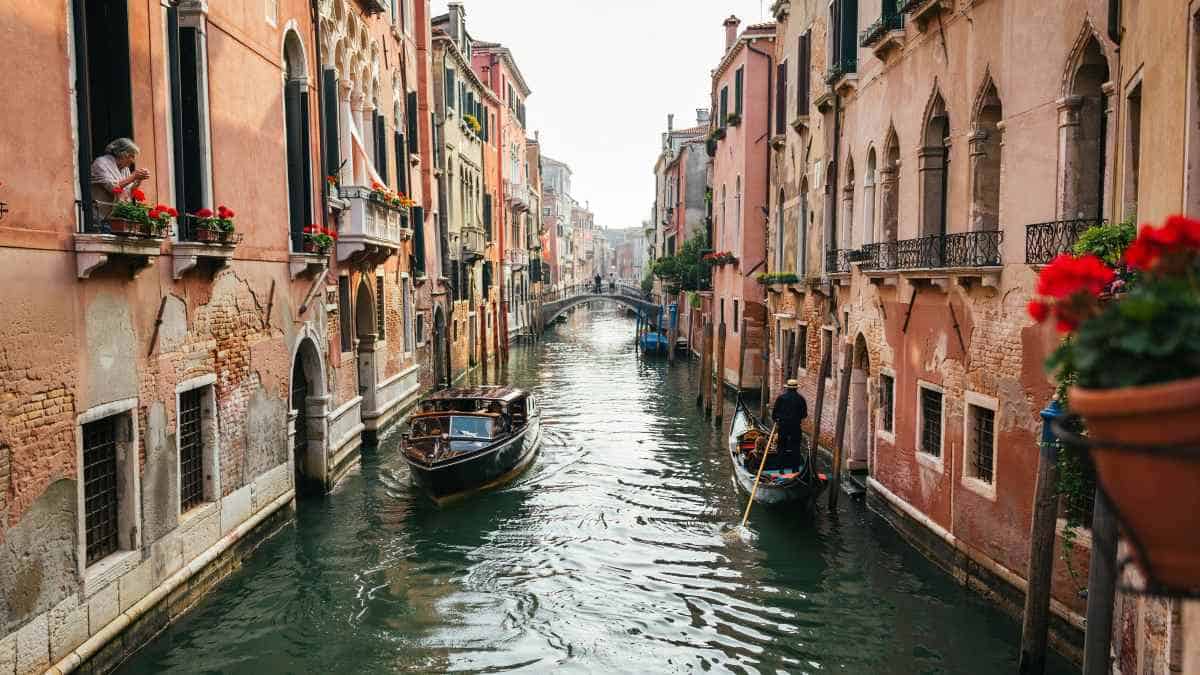
Image generated with Ai
Italy’s world-famous canal city of Venice is entering the final phase of its 2026 day-visitor access fee programme, but attention is already turning to what comes next. As the Contributo di Accesso nears the end of its scheduled operating period, local authorities are evaluating the programme’s effectiveness and discussing significantly tougher measures to combat overtourism. Among the proposals under consideration is seeking changes to national legislation that would allow Venice to raise its peak-day access fee from the current €5–€10 to as much as €30–€50 in future seasons. If approved, the move would represent one of Europe’s most ambitious tourism management policies, reinforcing Venice’s determination to preserve its fragile historic environment while maintaining its status as one of the world’s most visited destinations.
The Contributo di Accesso was introduced to help manage visitor numbers during the busiest periods of the tourism season.
Rather than functioning as a traditional tourist tax, the programme specifically targets day visitors entering Venice’s historic centre during designated peak dates.
The initiative is now approaching its final scheduled days for 2026, providing city officials with valuable data to evaluate how visitor management policies can reduce overcrowding while preserving the city’s unique cultural heritage.
Advertisement
Advertisement
The programme encourages travellers to plan their visits.
Current pricing is structured as follows:
Visitors are required to complete online registration before entering the historic city during applicable dates.
Upon successful registration, travellers receive a QR code, which may be requested during inspections conducted throughout Venice.
The digital system enables authorities to monitor visitor flows more effectively while simplifying compliance for tourists.
Importantly, the access contribution does not apply to visitors staying overnight in Venice.
Travellers booked into hotels, guesthouses or other registered accommodation are exempt from paying the day-visitor fee.
However, overnight guests must still register online and obtain a free QR code confirming their exemption.
This distinction reflects Venice’s strategy of encouraging longer stays, which generally generate greater economic benefits for local businesses while reducing the high-volume turnover associated with day-trip tourism.
Although the current access fee has attracted global attention, local officials believe stronger measures may eventually be necessary.
Authorities are reportedly seeking amendments to national legislation that would allow Venice to increase peak-day access charges to between €30 and €50.
The proposal aims to provide greater flexibility when managing exceptionally busy tourism periods.
Supporters argue that significantly higher fees could discourage non-essential day trips during periods of extreme congestion while helping protect Venice’s historic streets, bridges and canals from excessive visitor pressure.
At present, these proposals remain under discussion and have not been implemented.
Venice faces a unique challenge.
The city welcomes millions of visitors annually despite having a relatively small resident population and limited physical space.
Popular locations including:
often experience severe crowding during holidays and weekends.
City leaders argue that sustainable tourism management is essential to preserving both residents’ quality of life and Venice’s globally significant cultural heritage.
Despite the access fee programme, Venice remains one of Europe’s most sought-after destinations.
Visitors continue enjoying:
The access contribution is intended to regulate visitor numbers rather than discourage tourism itself.
Authorities continue encouraging responsible travel throughout the year.
Visitors planning day trips during the remaining fee period should prepare carefully.
Recommended steps include:
Overnight visitors should also complete the online registration process, even though they do not pay the access fee.
Venice’s visitor management strategy is attracting worldwide attention.
Many destinations experiencing overtourism—including popular cities, islands and heritage sites—are closely monitoring the programme.
If future legislation permits higher peak-day charges, Venice could establish a new international benchmark for balancing tourism growth with heritage protection.
At the same time, officials recognise the importance of maintaining accessibility while preserving the city’s economic dependence on tourism.
Finding the right balance will remain central to future policy decisions.
1. How much is Venice’s current day-visitor fee?
Eligible day visitors pay €5 when registering at least four days before arrival or €10 for later bookings.
2. Do overnight hotel guests need to pay?
No. Overnight guests are exempt from the fee but must still register online and obtain a free QR code confirming their exemption.
3. Will Venice increase the fee in the future?
Local officials have proposed seeking legislative approval to allow peak-day charges of €30–€50, but these higher fees have not been approved or introduced.
As Venice’s 2026 day-visitor access fee programme draws to a close, the city is already looking ahead to the future of sustainable tourism management. The current €5–€10 pricing model, combined with mandatory online registration and QR code verification, reflects a growing commitment to balancing visitor demand with the preservation of one of the world’s most treasured cultural destinations. Discussions around increasing future peak-day charges to €30–€50 underscore the seriousness with which local authorities are addressing overtourism, although any such change would require legislative approval before taking effect. For travellers, Venice remains as captivating as ever, but planning, understanding entry requirements and embracing responsible tourism will be increasingly important as the city continues refining its approach to welcoming millions of visitors while safeguarding its extraordinary heritage for generations to come.
Advertisement
Advertisement
Advertisement













Saturday, September 5, 2026

Friday, September 4, 2026

Saturday, September 5, 2026

Friday, September 4, 2026

Thursday, September 3, 2026

Wednesday, September 2, 2026

Friday, September 4, 2026



