
Norway Pushes Hydrogen Cruise Travel Forward With Ancona Built Ships Nearing Passenger Service

Published
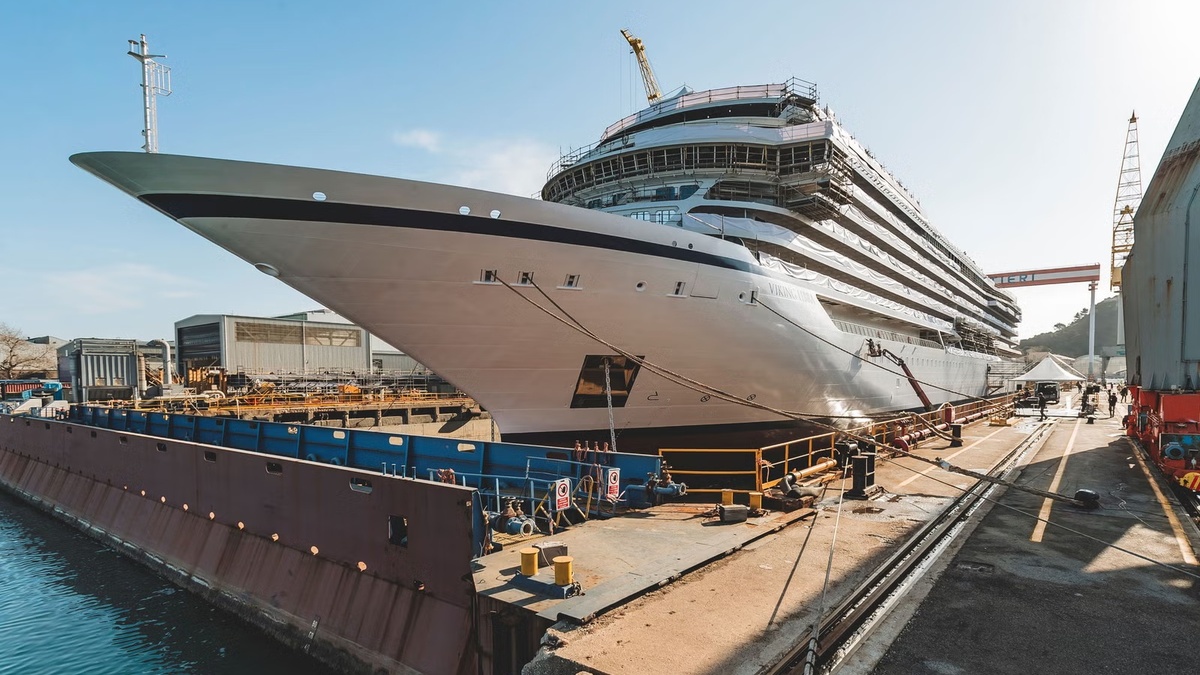
Norway is emerging as a key market in the next phase of sustainable cruise tourism as hydrogen-powered vessels move closer to passenger operations. The development is being driven by the construction of Viking Libra at Fincantieri’s Ancona shipyard in Italy, a vessel designed with hydrogen fuel-cell technology and the ability to operate with zero emissions in specific operating conditions. The shift marks a major change for cruise travellers, destinations and operators as the industry prepares for cleaner ocean journeys, especially in environmentally sensitive regions.
Norway’s Sustainable Cruise Ambition Moves Hydrogen Ships From Concept To Passenger Reality
The global cruise industry is entering a new technology phase where alternative fuels are no longer limited to research projects. Hydrogen propulsion is now moving into real vessel development, with Norway positioned as one of the most important destinations connected with this transformation.
The key development is the arrival of hydrogen-powered cruise ships designed specifically for passenger operations. Unlike small maritime demonstrations, these vessels are being created for commercial cruise experiences, connecting sustainability goals with real tourism demand.
The strongest example is the Viking Libra, developed by Viking and built by Italian shipbuilder Fincantieri at its Ancona shipyard. The vessel is scheduled for delivery in late 2026 and represents one of the first major attempts to introduce hydrogen technology into ocean cruising.
Advertisement
Advertisement
For cruise travellers, the significance goes beyond a new type of ship. Hydrogen technology could influence future itineraries, port access, environmental regulations and the overall image of cruise holidays.
Ancona Becomes The Industrial Launchpad For Hydrogen Cruise Innovation
The city of Ancona in Italy has become directly linked with the construction of the next generation of sustainable cruise vessels.
Advertisement
Advertisement
Fincantieri’s Ancona shipyard is responsible for building Viking Libra, a ship measuring approximately 239 metres in length with a gross tonnage of around 54,300 tonnes. The vessel will accommodate up to 998 guests across 499 staterooms.
| Hydrogen Cruise Ship Development | Details |
|---|---|
| Vessel | Viking Libra |
| Shipyard | Fincantieri Ancona, Italy |
| Delivery target | Late 2026 |
| Passenger capacity | Up to 998 guests |
| Staterooms | 499 |
| Length | Approximately 239 metres |
| Gross tonnage | Approximately 54,300 tonnes |
| Energy technology | Liquefied hydrogen and fuel cells |
| Fuel cell capability | Up to 6 megawatts |
The project represents a major technological step because hydrogen is being integrated into a large passenger vessel rather than a smaller demonstration craft.
According to Fincantieri, the ship will use hydrogen stored onboard for propulsion and electricity generation through advanced fuel-cell technology. The company states that the system has been designed to allow zero-emission operation, helping the vessel access environmentally sensitive areas.
This creates a direct link between shipbuilding innovation and tourism sustainability.
Oslo And Norway Become The Strategic Centre Of Cleaner Cruise Tourism
While Ancona represents the manufacturing side of the transition, Norway represents the destination and operational side of the hydrogen cruise movement.
Norway has become one of Europe’s most recognised markets for cleaner maritime solutions because of its extensive coastline, environmentally sensitive fjord destinations and long-term focus on reducing emissions from shipping.
Advertisement
Advertisement
The country’s cruise sector is particularly important because many international travellers visit Norwegian fjords, where environmental standards increasingly influence vessel operations.
Hydrogen-powered cruise ships could become strategically important for destinations where reducing emissions is essential for protecting natural landscapes while maintaining tourism activity.
The connection between Norway and hydrogen cruise development is therefore not only about technology. It is about preserving access to iconic destinations while adapting cruise tourism to stricter environmental expectations.
Viking Libra Creates A New Passenger Experience For Future Cruise Travellers
The introduction of hydrogen-powered cruise ships could change how travellers view sustainability at sea.
Traditional cruise sustainability efforts have focused mainly on efficiency improvements, cleaner fuels, waste reduction and emission-control systems. Hydrogen introduces a different approach by targeting the propulsion system itself.
| Traditional Cruise Improvements | Hydrogen Cruise Technology |
|---|---|
| More efficient engines | Fuel-cell electricity generation |
| Lower fuel consumption | Alternative energy source |
| Emission reduction systems | Potential zero-emission operation |
| Operational efficiency | New propulsion architecture |
For passengers, the impact could appear through access to more environmentally protected destinations, improved sustainability credentials and a new generation of cruise products designed around cleaner operations.
Advertisement
Advertisement
The technology could also influence travel decisions as environmentally conscious travellers increasingly consider the environmental performance of transport providers.
Two Hydrogen Cruise Ships Signal A Wider Fleet Transformation
The hydrogen transition is not limited to a single vessel.
Viking and Fincantieri have announced that the Viking Astrea will also use hydrogen-powered technology. The second vessel is scheduled for delivery in 2027 and follows the same development pathway.
| Vessel | Expected Delivery | Technology |
|---|---|---|
| Viking Libra | 2026 | Hydrogen propulsion and fuel cells |
| Viking Astrea | 2027 | Hydrogen propulsion and fuel cells |
The development indicates that hydrogen is moving from an experimental concept toward a potential fleet strategy.
However, large-scale adoption will depend on several factors, including hydrogen production capacity, fuel availability, port infrastructure and operating costs.
Why Cruise Travellers Need To Watch The Hydrogen Ship Transition Now
For travel advisors, cruise planners and holidaymakers, the hydrogen shift matters because future cruise choices may increasingly include environmental performance as a deciding factor.
Advertisement
Advertisement
The next generation of ships could influence:
- Which destinations remain accessible for large passenger vessels.
- How cruise operators design future itineraries.
- How ports invest in cleaner maritime infrastructure.
- How travellers compare cruise brands.
Norway’s position in sustainable maritime development makes it a key destination to watch as cruise operators explore cleaner operations.
The industry challenge will be ensuring that hydrogen supply chains develop alongside new ships. A hydrogen vessel requires not only advanced onboard technology but also reliable production, transportation and refuelling systems.
Operational Takeaways For Travel Agents And Tour Operators
- Monitor hydrogen-powered cruise launches as new sustainable cruise products enter the market.
- Update future cruise planning strategies as environmental requirements influence ship deployment.
- Track Norwegian cruise destinations where cleaner vessel technology may become increasingly important.
- Explain sustainability features clearly to travellers seeking environmentally responsible holidays.
- Follow port infrastructure developments because alternative fuels require supporting facilities.
- Consider hydrogen cruise technology as a long-term trend rather than a short-term replacement across the entire cruise fleet.
Long-Term Impact On Global Cruise Tourism
The emergence of hydrogen-powered cruise ships represents a major strategic development for the future of ocean travel. Norway’s sustainability reputation and Ancona’s shipbuilding expertise together highlight how the cruise industry is combining destination priorities with maritime innovation.
The transition will not happen overnight, but the arrival of passenger-focused hydrogen vessels marks an important milestone. As cruise companies invest in cleaner propulsion systems, travellers may eventually see sustainability become a central part of cruise selection, alongside destinations, onboard experiences and service quality.
Hydrogen cruise technology could become one of the defining developments shaping the next generation of international cruise tourism.
Advertisement
