
Monsoon Rains Devastate Nepal Disrupts Dashain Festival And Hit Tourism Hard As Recovery Efforts Ramp Up

Published
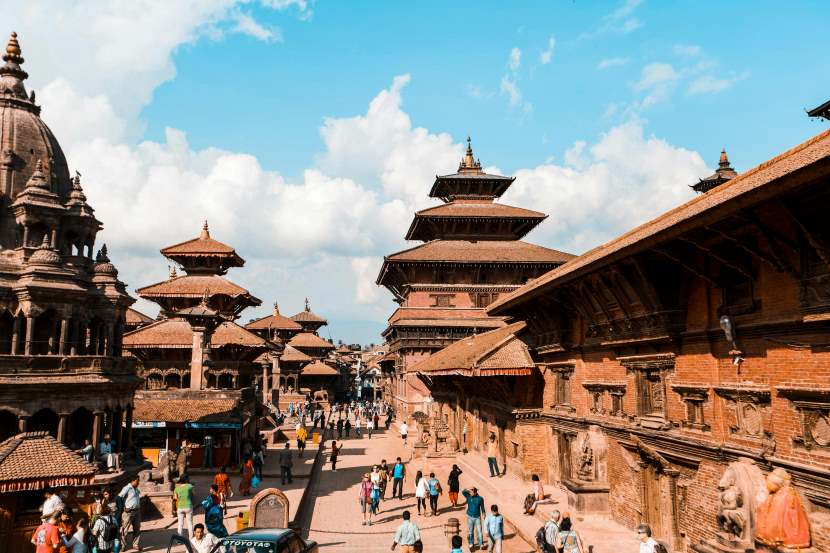
Image generated with Ai
A recent series of disasters have tragically impacted Nepal, where monsoon rains have led to severe consequences including numerous deaths. In the last 24 hours, a heartbreaking toll of 43 fatalities has been confirmed as a result of these natural calamities. This devastating situation underscores the challenges faced by a country often celebrated for its breathtaking landscapes and vibrant culture.
The Impact of Monsoon Rains on Nepal
The recent unyielding monsoon rains sweeping across Nepal have unleashed a series of natural calamities that have gravely affected the eastern parts of the country, particularly the Ilam district. This relentless downpour triggered numerous landslides and floods, causing widespread devastation and the tragic loss of 38 lives due to landslides alone. Among those fatalities, 37 were reported in the Ilam district, a region renowned for its picturesque landscapes and flourishing tea gardens, underscoring the scale of the impact on this vibrant and ecologically important area.
Advertisement
Advertisement
The relentless rains began intensifying from Friday, gradually escalating into a severe crisis by Saturday night and Sunday dawn. The landslides were notably fierce, sweeping away entire villages in some places and causing catastrophic damage to homes and infrastructure. The terrain in Ilam, while beautiful with its rolling tea plantations and mountainous backdrop, is particularly vulnerable due to the saturated soil and steep slopes typical of the Himalayan foothills. The constant downpour weakened the soil integrity, which, coupled with overflowing irrigation canals as reported in some local incidents, resulted in sudden land collapses burying houses and taking lives in the dead of night.
Disasters’ Disruption to Daily Life and Tourism
The timing of these disasters coincides with the Dashain festival, the most significant Hindu celebration in Nepal. The festival attracts both domestic and international visitors, eager to witness cultural rituals and partake in festivities. However, the heavy rains and resultant damage have severely disrupted transportation and mobility. Roads and highways have been blocked by debris and floods, hampering the movement of people and goods.
Advertisement
Advertisement
One of the most impacted regions is the Kathmandu Valley, where a three-day ban on vehicular movement has been enforced to ensure safety and enable rescue operations. This restriction has inevitably affected both locals and tourists, creating challenges for those looking to explore the bustling capital or travel to other destinations within Nepal during the festive period.
Challenges for the Tourism Industry
Nepal’s tourism sector, a vital part of the economy, has had to confront the repercussions of the recent natural events. The suspension of domestic flights at the Tribhuvan International Airport on Saturday followed by a partial resumption on Sunday reflects the difficulties faced by air travelers. With many reliant on air transport to connect to remote mountainous regions, such disruptions can deter potential tourists and complicate travel plans.
Advertisement
Advertisement
The areas most affected by the landslides and floods are often those that attract trekking enthusiasts, nature lovers, and cultural tourists. The damage to infrastructure, including roads and pathways, poses significant safety concerns and calls for extensive repair work. Local communities that depend on tourism for livelihoods are also vulnerable, as fewer visitors mean reduced income and growing economic uncertainty.
Rescue Efforts Amidst the Crisis
Efforts to manage the crisis have been robust, with the Nepal Army and police forces actively engaged in rescue operations across 28 affected locations. The quick response of these teams has been crucial in providing assistance, locating missing persons, and restoring some order amid the chaos. While the death toll and injuries highlight the severity of the disasters, the coordinated response efforts demonstrate resilience and commitment to safeguarding the population.
What this Means for Future Tourism
The recent calamities serve as a stark reminder of the vulnerabilities Nepal faces due to its geographic and climatic conditions. For the tourism industry, adapting to these challenges involves enhancing infrastructure resilience, improving early warning systems, and ensuring that safety protocols are firmly in place for visitors and locals alike.
Tourists interested in exploring Nepal’s rich cultural heritage and natural wonders may need to stay informed about weather conditions and potential disruptions, particularly during the monsoon season. While the country’s beauty remains undiminished, travelers should be prepared for possible changes in itinerary and remain flexible to ensure a safe and enjoyable experience.
Embracing the Spirit of Recovery
Despite the current hardships, Nepal’s spirit of endurance shines through. The communities affected by the landslides and floods are actively working towards recovery, supported by government agencies and rescue teams. As the rain subsides and the immediate threats diminish, efforts will focus on rebuilding and revitalizing the tourism sector, a crucial element in sustaining livelihoods and showcasing Nepal’s unparalleled charm to the world.
Visitors seeking to experience Nepal should be encouraged by the strength and resilience demonstrated during these trying times, recognizing that with care and caution, the exploration of Nepal’s stunning environment and rich traditions remains a deeply rewarding adventure.
Advertisement
