
EU Single Rail Ticket Shock, France–Germany and All of Europe Set for Effortless Train Travel with One‑Click Booking

Published
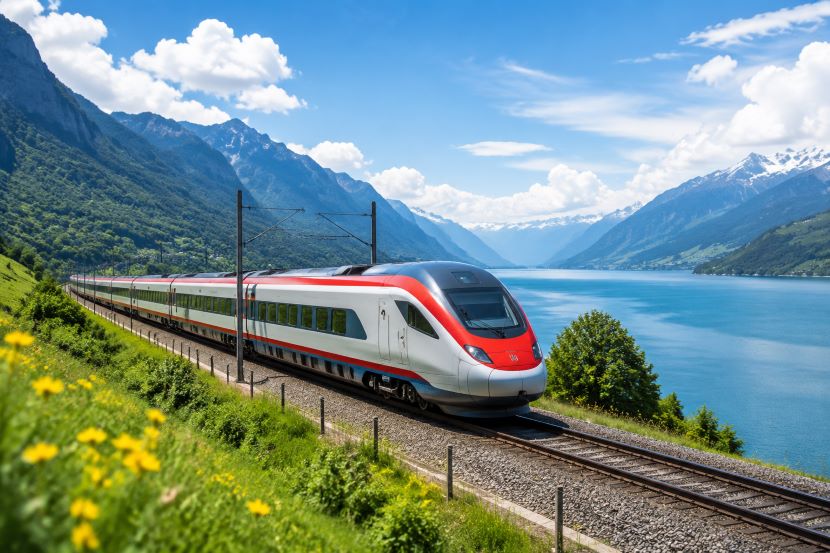 Image generated with Ai
The European Commission has launched a bold plan to transform cross‑border rail travel across Europe, starting with key routes such as France–Germany and extending to the entire EU rail network. The new “One Journey, One Ticket, Full Rights” initiative proposes a unified system that lets travellers plan, compare, and book multi‑leg train trips under a single ticket for journeys involving different operators. This overhaul is designed to end the era of separate tickets and fragmented bookings that still plague international train travel within the EU.
One Ticket to Rule Them All: How Booking Will Become Effortless
Under the Commission’s proposals, passengers will be able to search and purchase a combined rail ticket covering all segments of a cross‑border train journey in one transaction. Currently, travellers often need to buy multiple tickets from different national or private rail carriers, a process that is time‑consuming and confusing. The new system aims to allow all operators’ journeys to appear together on platforms of travellers’ choice, whether independent ticket vendors or national rail booking sites, making planning trips like Paris to Berlin or Lyon to Munich far simpler.
Full Passenger Protection for Every Leg of the Journey
A cornerstone of the EU’s plan is stronger passenger rights. Traditionally, if a connection is missed on a cross‑border trip booked via separate tickets, travellers may find themselves unprotected with little obligation for carriers to compensate or assist. The One Journey, One Ticket framework would ensure that travellers are entitled to assistance, rerouting, reimbursements, and compensation under one protective umbrella for the entire journey, regardless of how many carriers are involved. This unified protection is expected to boost confidence in rail travel for long-distance and cross-border journeys.
Digital Integration: Reducing Booking Barriers Across Borders
The initiative also addresses digital booking obstacles currently hindering rail travel across borders. By creating standards for open data sharing between rail operators and booking platforms, the EU intends to make connections transparent and comparable online. This reform builds on broader EU efforts such as harmonised technical standards that support cross-border rail operations and advanced telematics systems for passenger services. These technical standards underpin the digital architecture required for the new ticketing system to function across destinations from Paris to Berlin and beyond.
Advertisement
Advertisement
Boosting Sustainable Tourism and Greener Mobility
Train travel is among the most climate‑friendly transport options available, with rail emissions significantly lower than those of air travel. Opening up easier access to continental train journeys is aligned with the EU’s sustainability goals and efforts to shift travellers away from short-haul flights. Enhanced cross-border rail accessibility can attract more tourism traffic to popular corridors such as Paris–Frankfurt, Amsterdam–Brussels, and Rome–Zurich, encouraging visitors to explore lesser-known destinations by train.
Meeting Rising Demand: Rail Travel on the Upswing
Recent statistics show that rail travel across the EU has reached record levels. In 2024, EU rail passengers took billions of trips, with Germany and France leading the figures in passenger-kilometres travelled, reflecting strong demand for rail journeys. This reform seeks to capitalise on that momentum by removing obstacles to direct international rail bookings that currently limit travel choices for millions of Europeans and international visitors.
Advertisement
Advertisement
What Happens Next: From Proposal to Reality
The single-ticket system is currently at the proposal stage and must be discussed and approved by the European Parliament and EU Council. If adopted, implementation across all rail operators and booking platforms will take time, but the expectation is that parts of the reform could take effect before 2029. Member states and rail businesses will need to upgrade digital systems and coordinate ticketing standards to ensure the plan functions as intended. This legislative process ensures alignment with EU single market principles, removing barriers to seamless cross-border mobility and integrating rail travel across the continent.
Wider Impact: A New Era for EU Rail Tourism
Once operational, the single ticket system is expected to dramatically reshape rail tourism across the EU. Travellers will no longer struggle to compare options or navigate multiple booking systems for cross-border journeys. Instead, they will be empowered with a single, transparent booking process and comprehensive rights, making train travel a more appealing, hassle-free alternative to short-haul flights. The reform is set to encourage travel to cultural capitals, scenic destinations, and emerging tourist regions across many EU countries, reinforcing rail travel as a backbone of sustainable European tourism.
Advertisement
Advertisement
Advertisement
