

United Nigeria Airlines Aligns Air Peace and FlySafair to witness Travel Costs Soar as Nigeria and South Africa Fare Hike Increases Tension-Stricken Situations

Updated
Published
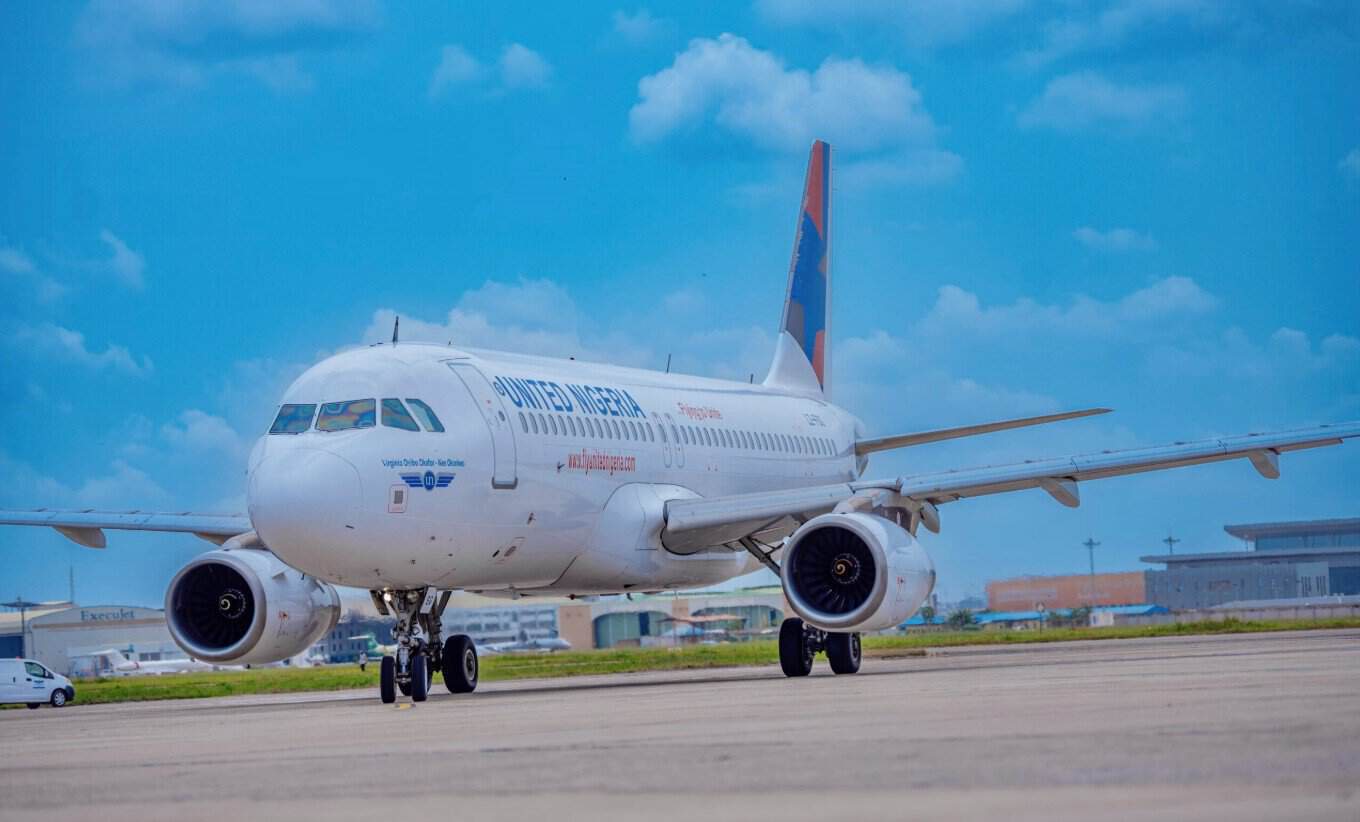
Travel planning across Sub-Saharan Africa faces severe disruption as a steep flight fares increase December 2026 drives air travel costs to unprecedented levels. Major regional carriers including United Nigeria Airlines, Air Peace, and FlySafair have adjusted ticket rates and implemented operational surcharges. The sudden rise in travel costs leaves thousands of festive season travelers facing significant financial strain during peak holiday movement. This critical development impacts domestic connectivity, regional tourism, and consumer spending across major African transport corridors. Authorities and regulatory bodies are closely monitoring aviation pricing dynamics as public demand for intervention grows.
Air transport across African economies has historically experienced heightened demand during the final quarter of the calendar year. Seasonal migration, family reunions, annual business closures, and regional tourism consistently drive passenger traffic to peak levels between late November and early January. However, market dynamics throughout 2026 have introduced unprecedented structural cost pressures on commercial airlines operating within West and Southern Africa.
Advertisement
Advertisement
Commercial aviation operators face compounding macroeconomic challenges, including volatile foreign exchange markets, elevated international crude oil benchmarks, local currency devaluations, and mounting airport service tariffs. In West Africa, domestic carriers operate under heavy import dependence for jet fuel (Jet A-1), aircraft maintenance, repair, and overhaul (MRO) services, and lease payments denominated in hard foreign currencies. Simultaneously, Southern African carriers have had to absorb sudden global fuel price shocks triggered by international supply chain bottlenecks and geopolitical disruptions affecting maritime trade routes.
By the second half of 2026, passenger airlines across the continent began adjusting baseline tariffs and ancillary fee structures to ensure ongoing solvency and operational safety. These adjustments have culminated in steep price increases for peak December travel windows, creating widespread concern among consumer rights groups, business travel associations, and tourism stakeholders.
Advertisement
Advertisement
Latest Official Developments Across Key Regional Carriers
Operational Adjustments by Air Peace and United Nigeria Airlines
Verified industry data and carrier reservation platforms confirm significant upward revisions in domestic ticket prices across major Nigerian flight corridors. Operators including Air Peace and United Nigeria Airlines have updated their seasonal yield management algorithms, resulting in peak December fares reaching record levels across high-demand domestic routes.
+-------------------------------------------------------------------------------+
|               HISTORICAL VS. DECEMBER 2026 DOMESTIC AIRFARES                  |
+------------------------------------+--------------------+---------------------+
| Route Corridor                    | Off-Peak Average   | December 2026 Peak  |
+------------------------------------+--------------------+---------------------+
| Lagos (LOS) to Abuja (ABV)         | ₦105,000 - ₦135,000| ₦284,500 - ₦350,500  |
| Lagos (LOS) to Asaba (ABB)         | ₦111,750 - ₦139,000| ₦350,500 - ₦357,500  |
| Abuja (ABV) to Owerri (QOW)        | ₦105,000 - ₦125,000| ₦280,000 - ₦350,500  |
| Return Trip: Lagos - Asaba (Peak)  | ₦220,000           | Up to ₦715,000     |
+------------------------------------+--------------------+---------------------+
The adjustment reflects dynamic inventory allocation where lower fare buckets sell out months in advance, leaving only higher-tier economy and business class tickets available for peak holiday dates. While baseline off-peak fares on select non-peak December days remain available around ₦121,000 to ₦139,000 for early bookers, prime travel dates adjacent to public holidays reflect maximum tariff thresholds.
Advertisement
Advertisement
Tariff Policies and Surcharges at FlySafair
In Southern Africa, low-cost carrier FlySafair introduced a transparent, variable fuel surcharge framework designed to absorb significant shifts in coastal Jet A-1 fuel procurement costs. Following fuel price volatility where jet fuel prices at coastal airports spiked by up to 70%, the carrier opted for a separate, clearly itemised surcharge model rather than permanently embedding volatile fuel costs into base ticket prices.
FlySafair’s official pricing schedule confirms that the temporary fuel surcharge applies across domestic and regional routes, ranging from approximately R255.30 on short domestic hops to over R1,012.00 on regional international destinations such as Victoria Falls and Mauritius. Furthermore, updated service fee frameworks implemented in August 2026 revised ancillary charges, call centre booking fees, and penalty structures for ticket modifications.
Advertisement
Advertisement
Government Announcements and Regulatory Positions
Nigerian Civil Aviation Authority and Federal Ministry of Aviation
The Federal Ministry of Aviation and Aerospace Development, alongside the Nigerian Civil Aviation Authority (NCAA), maintains regular oversight regarding domestic fare structures. Official guidelines under civil aviation regulations emphasize that while airfares in deregulated aviation markets are determined by market forces of supply and demand, operators must strictly adhere to fair competition practices and avoid predatory pricing or uncompetitive collusion.
Government officials have highlighted that foreign exchange access for aviation logistics, combined with local airport infrastructure development, remains a key priority. Civil aviation authorities continue to engage with the Airline Operators of Nigeria (AON) to balance airline viability with consumer protection mandates, exploring long-term mechanisms to stabilize local jet fuel refining and reduce reliance on imported aviation fuel.
South African Department of Transport and Competition Authorities
In South Africa, the Department of Transport and the Civil Aviation Authority monitor domestic aviation capacity to maintain accessible connectivity between key economic hubs, including Johannesburg, Cape Town, Durban, and Gqeberha. Regulatory oversight focuses on transparent price display guidelines, ensuring that airlines clearly disclose all taxes, airport fees, and temporary surcharges prior to booking confirmation.
South African transport policymakers continue to review local airport tariffs and air navigation service charges administered by the Airports Company South Africa (ACSA) and Air Traffic and Navigation Services (ATNS) to prevent compounding fee burdens on commercial carriers.
Advertisement
Advertisement
Sector Statistics and Market Data
Official statistics and aviation industry metrics illustrate the financial environment surrounding commercial airline operations in late 2026:
- Jet Fuel Price Volatility: Jet A-1 fuel costs account for between 40% and 55% of total operating expenses for Sub-Saharan African carriers, leaving airlines highly sensitive to global oil market fluctuations.
- Capacity Expansion: In response to high demand, international carriers such as Turkish Airlines expanded Nigerian frequencies, increasing Lagos services from 7 to 10 weekly flights in December 2026, following earlier expansions in Abuja.
- Domestic Fare Fluctuations: Off-peak mid-week domestic tickets in West Africa average ₦105,000–₦135,000, whereas peak December weekend tickets range between ₦284,500 and ₦350,500 per one-way segment on high-density routes.
- FlySafair Regional Surcharges: Specific fuel surcharges applied to regional routes include R415.00 for Johannesburg–Zanzibar, R858.00 for Johannesburg–Zanzibar extended sectors, and R1,012.00 for Johannesburg–Victoria Falls.
+-------------------------------------------------------------------------------+
|             FLYSAFAIR TEMPORARY FUEL SURCHARGE RATES (SELECT ROUTES)          |
+------------------------------------+------------------------------------------+
| Route Sector                       | Surcharge Amount (ZAR)                   |
+------------------------------------+------------------------------------------+
| Nelspruit (MQP) - Johannesburg (JNB)| R255.30                                  |
| Cape Town (CPT) - Lanseria (HLA)   | R698.05                                  |
| Johannesburg (JNB) - Mauritius (MRU)| R1,012.00                                |
| Johannesburg (JNB) - Zanzibar (ZNZ)| R858.00                                  |
+------------------------------------+------------------------------------------+
Policy Implications for National Connectivity
The sharp increase in air travel tariffs highlights crucial national policy challenges concerning transport infrastructure, regional integration, and economic mobility.
Balancing Deregulation with Consumer Protection
Aviation policy across Sub-Saharan Africa largely operates on deregulated market principles, allowing commercial airlines to adjust ticket prices dynamically based on fleet availability and market demand. However, steep price spikes during national holiday periods test the boundaries of consumer affordability. Policymakers face the delicate task of preserving free-market incentives for private airlines—who shoulder immense operational risks—while protecting citizens from prohibitive transport costs.
Fuel Refining and Foreign Exchange Safeguards
A recurring policy bottleneck in West Africa is the domestic supply of refined aviation fuel. Even in oil-producing nations, limited domestic refining capacity historically forced reliance on imported Jet A-1, exposing local carriers to foreign exchange volatility. Government initiatives aimed at fully integrating local refining capacity directly into the aviation sector are seen as critical long-term structural remedies to stabilize jet fuel supply and lower airline operating costs.
Industry and Macroeconomic Impact
Operational Viability of Commercial Carriers
Commercial airlines operate on narrow profit margins. High maintenance overheads, lease obligations in hard currencies, insurance premiums, and elevated fuel costs mean that yield management strategies are vital for airline survival. Higher peak-period pricing allows carriers to cross-subsidize operations during low-demand off-peak months, ensuring year-round network stability.
Pressure on Corporate and Commercial Travel
The escalating cost of air travel directly influences corporate budgets and inter-state trade. Businesses operating across major commerce hubs—such as the Lagos-Abuja corridor or the Johannesburg-Cape Town route—are increasingly modifying corporate travel policies. Companies are leaning more heavily on virtual communication tools or adjusting travel schedules to avoid peak holiday rate brackets, impacting corporate hospitality and business travel sectors.
Advertisement
Advertisement
Public, Economic, and Tourism Impact
+-------------------------------------------------------------------------------+
|                   MULTI-SECTOR IMPACT ANALYSIS OF AIRFARE INCREASES           |
+-------------------+-----------------------------------------------------------+
| Sector            | Key Impact Summary                                        |
+-------------------+-----------------------------------------------------------+
| Consumer Mobility | Reduced non-essential travel; shift to early booking.      |
| Local Tourism     | Lower domestic hotel occupancy; higher regional costs.    |
| Interstate Trade  | Extended transit times as commuters explore road options.  |
| Ground Transport  | Increased demand and pressure on long-distance buses.     |
+-------------------+-----------------------------------------------------------+
Impact on Domestic and Regional Tourism
The hospitality and tourism industries are directly linked to aviation affordability. High airfares risk dampening domestic tourism during the traditional December peak season. Resort destinations, national parks, and coastal hotels may observe shifts in guest demographics, with domestic travelers opting for closer, road-accessible destinations or reducing the duration of their stays to offset higher transport expenses.
Consumer Behaviour and Transport Substitution
For everyday commuters and festive travelers, elevated flight costs necessitate significant changes in holiday travel planning. While air travel offers speed and security, extreme price shifts force some travelers to consider alternative transport options or reschedule trips to mid-December dates where lower fare tiers remain available.
Official Industry Statements
In official communications regarding operational pricing and cost structures, industry leadership and airline management have clarified the underlying causes of current fare frameworks:
“Fuel is one of the single biggest expenses in running an airline. When prices rise suddenly, it has an immediate impact on the cost of operating flights. We prefer to keep our fares transparent so that customers can clearly see what they are paying for, rather than quietly building temporary cost increases into the base fare.” — FlySafair Management Statement
Civil aviation regulators continue to issue public advisories urging consumers to plan travel early and leverage official airline booking platforms to secure transparent pricing.
Future Outlook and Strategic Recommendations
The outlook for African aviation in late 2026 and early 2027 hinges on macroeconomic stabilization, domestic fuel supply security, and airline fleet expansion. As global energy markets stabilize and local refining capabilities scale up, operational input costs for airlines are expected to normalize, potentially relieving pressure on base airfares.
Recommendations for Travelers
- Book Far in Advance: Secure flight tickets several months prior to peak holiday periods to access lower inventory fare buckets before dynamic pricing triggers peak rates.
- Maintain Date Flexibility: Travel on off-peak weekdays (such as Tuesdays and Wednesdays in mid-December) where fares can be significantly lower than weekend departure dates.
- Utilize Direct Booking Channels: Purchase tickets directly through official airline websites or authorized agencies to avoid extra third-party administrative charges and ensure transparent fee visibility.
- Monitor Ancillary Policies: Review baggage allowances and optional service fees in advance to prevent unexpected check-in charges at the airport.
Advertisement
