
Denmark Comes Along With Sweden And More As Canada Issues New Travel Advisory Amid Increasing Safety Risks, Schengen Entry Gets Tough

Updated
Published
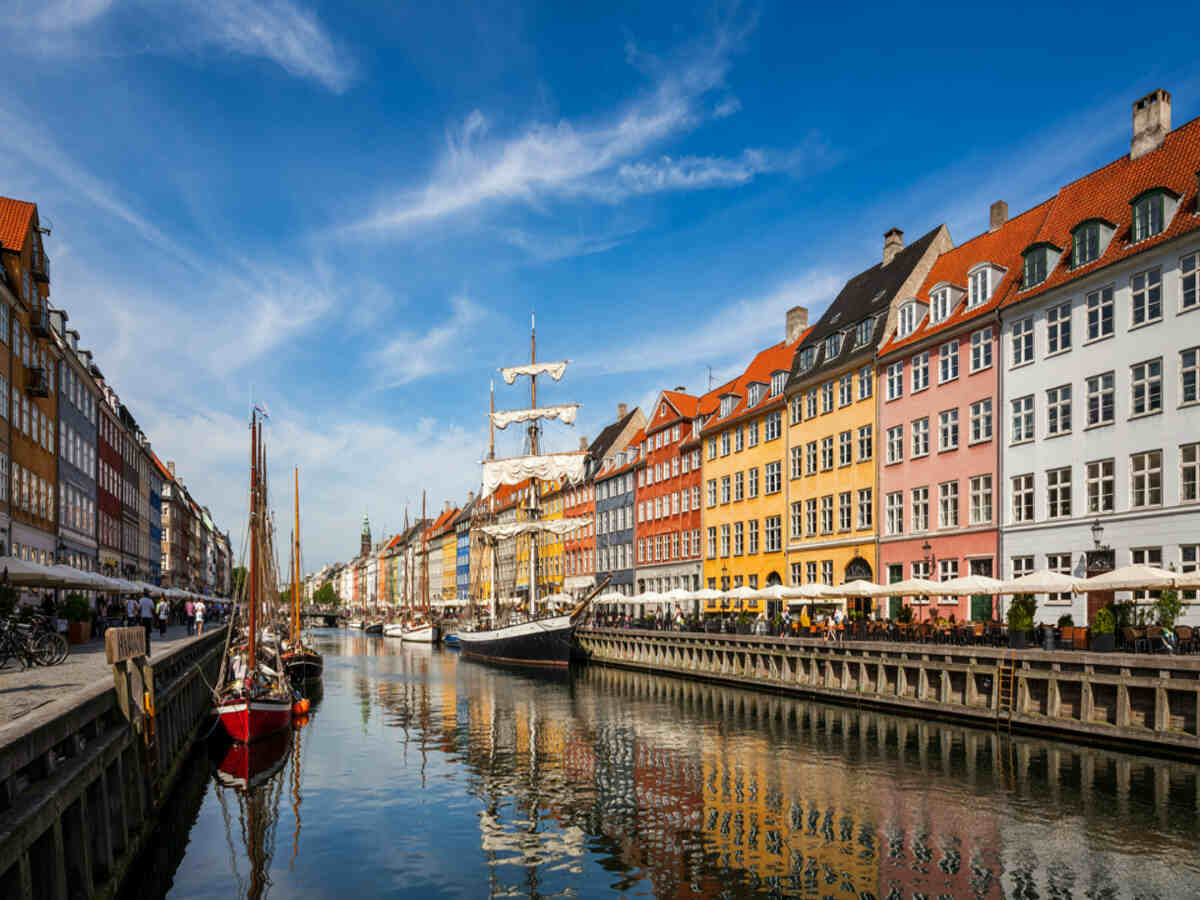
Image generated with Ai
Canada releases fresh travel warnings for Europe as risks increase while entry regulations for the Schengen area become stricter. Canada has released some very serious travel advisories covering a range of destinations in Europe including countries such as Denmark, Sweden, Italy, and the UK, advising citizens to be very cautious owing to the increased threat of terror attacks and security risks in the region. While at the same time European countries have changed their border procedures using digital travel authorization along with biometrics, the age of carefree travel between continents has come to an end.
European getaways are famous for historic charm, breathtaking architecture, and vibrant cultures. But for Canadian globetrotters, the travel landscape across the Atlantic is shifting dramatically. Amidst escalating security concerns, rising crime rates, and massive overhauls to border regulations, the Government of Canada has issued a series of stern travel advisories.
Advertisement
Advertisement
If you are packing your bags for Europe, the era of effortless border-hopping is coming to an end. From the bustling streets of London to the artistic hubs of Copenhagen, here is a comprehensive breakdown of the new risks and the tightening entry rules every Canadian traveler must know.
How Canada is Alerting and Arming Travelers
The Canadian government is taking a proactive approach to traveler safety. By officially upgrading the risk level to “Exercise a high degree of caution” across multiple European nations, Canada is drawing direct attention to the continent’s persistent threat of terrorism and localized crime.
Advertisement
Advertisement
Beyond standard warnings, authorities are actively educating citizens on strict new border protocols. Canada is urging dual citizens to double-check their passport validity and alerting tourists to local public threat scales—ensuring travelers are not caught off guard by sudden protests, digital fraud, or unexpected immigration hurdles.
At a Glance: The European Risk Landscape
To help you navigate these updates, here is a breakdown of the specific threats tourists currently face in these highly visited nations:
Advertisement
Advertisement
| Destination | Official Terror Threat Level | Primary Crime & Safety Risks | High-Risk Hotspots to Navigate Carefully |
| United Kingdom | Level 4 of 5 (“Severe”) | Cellphone theft, vehicle break-ins, ATM skimming, violent demonstrations. | Piccadilly Circus, Leicester Square, Trafalgar Square. |
| Denmark | Level 4 of 5 (“Significant”) | Gang violence, drug trade disputes, organized pickpocketing in tourist seasons. | Freetown Christiania, Nørrebro, Brønshøj-Husum. |
| Sweden | Level 3 of 5 (“Elevated”) | Retaliatory gang violence, use of improvised explosives and hand grenades. | Stockholm, Gothenburg, Malmö. |
| Italy | Elevated (Military presence) | Distraction theft, bag snatching from scooters, credit card skimming. | Train stations, beaches, major historical landmarks. |
Country-by-Country Breakdown: What You Need to Know
1. Denmark: Gang Violence and Significant Terror Threats
While Denmark is renowned for its design and culinary scenes, travelers must exercise high caution. The Danish Security and Intelligence Service currently places the terror threat at level 4 (“Significant”).
The Crime Scene:
Petty thieves often operate in well-dressed teams in hotel lobbies and restaurants, distracting victims to swipe bags. More concerning is the gang-related violence tied to the drug trade, specifically in neighborhoods like Nørrebro, Brønshøj-Husum, and Copenhagen’s Freetown Christiania.
- Critical Warning: If visiting Christiania, avoid areas with open illegal drug trades. There is a zero-tolerance policy for photography here; tourists have been assaulted and robbed simply for pulling out a camera.
2. Sweden: Explosives and Elevated Risks
Sweden shares Denmark’s “high degree of caution” advisory. The Swedish Security Service (SAPO) has set the terror threat at level 3 (“Elevated”), but the most immediate physical danger stems from organized crime.
The Crime Scene:
Gang rivalries in the nation’s three largest cities—Stockholm, Gothenburg, and Malmö—have resulted in retaliatory killings and gun violence. Criminals have shockingly utilized hand grenades, bombs, and improvised explosive devices in public spaces like bars and restaurants. While tourists are rarely the targets, the risk of being in the wrong place at the wrong time is genuine. Be highly vigilant and never touch unattended packages.
Advertisement
Advertisement
3. Italy: Deceptive Distractions and Cyber Fraud
Italy remains a top destination, but it requires serious street smarts. Alongside a persistent European terror threat—which has prompted increased military and police presence at strategic locations—Italy is a hotspot for targeted tourist scams.
The Crime Scene:
Thieves rely heavily on distraction tactics. Beware of strangers who “accidentally” spill a drink on you, strike up overly persistent conversations, or offer unsolicited help. Scooter-riding criminals frequently snatch bags from pedestrians and cars stopped at traffic lights (keep your windows rolled up). Furthermore, ATM skimming and cybercrime via compromised public Wi-Fi networks are rampant.
4. United Kingdom: Severe Threats and Stolen Tech
The UK faces a level 4 (“Severe”) terror threat (with Northern Ireland at a level 3). Previous attacks have included knife violence, vehicle rammings, and explosions in public areas.
The Crime Scene:
In London, cellphone theft is exceptionally common in crowded tourist hubs. Pickpockets are highly active in underground walkways, roadside rest areas, and pubs—never leave a bag hanging on the back of a chair. Like Italy, ATM fraud is sophisticated, sometimes involving hidden electronic readers. Violent clashes can also erupt during large political demonstrations, so avoid protest areas.
Advertisement
Advertisement
The Bureaucracy: Schengen Entry Gets Tough
The days of flying to Europe with just a Canadian passport and a boarding pass are ending. Massive systemic changes are coming to European borders.
The ETIAS and Schengen Area Rules (Sweden, Denmark, Italy)
As part of the Schengen area, Canadian citizens can visit for up to 90 days within a 180-day period. However, border controls are tightening:
- Biometric Tracking: Upon entering the Schengen area, the new Entry/Exit System (EES) will automatically collect your facial image and fingerprints.
- The ETIAS Requirement: Soon, travelers will need to pay for and apply for an electronic travel authorization (ETIAS) through the official EU website before traveling to 30 European countries.
The UK’s Strict ETA Enforcement
Starting February 25, 2026, the United Kingdom is strictly enforcing its Electronic Travel Authorisation (ETA). You must apply for this online before you fly, and your passport must be valid for the duration of your stay.
The Dual-Citizen Dilemma
The most critical update impacts dual citizens. If you are a Canadian citizen who also holds citizenship in the UK, Ireland, or an ETIAS-participating European country:
- You cannot apply for an ETA or ETIAS.
- You must travel on your European, British, or Irish passport.
- If your European passport is expired—or you don’t have one—you must renew it or obtain a certificate of entitlement before you travel, or you will be denied boarding. You must still carry your valid Canadian passport to fly back into Canada.
Travel Smart: As border red tape thickens and security risks evolve, the best defense is preparation. Monitor local media, secure your digital data, and always ensure your travel documents are perfectly aligned with these tough new rules.
Urgent travel advisories are issued for Europe by Canada, due to increasing safety threats and stringent Schengen visa entry requirements.
Advertisement
Advertisement
Making sense of today’s Europe requires more than buying a ticket and packing a suitcase. The continent continues to hold the same allure that it always did, but what it takes to enter has become a lot tougher and more demanding, namely taking care of your personal safety and ensuring you have the correct paperwork in place. While the launch date of the EU’s ETIAS has been pushed back indefinitely from the end of 2026 and the enforcement of the UK’s ETA is imminent.
FAQ’s
1. What is the difference between the new ETIAS and the UK ETA?
While both are electronic travel authorizations designed to pre-screen visitors, they apply to entirely different regions. The ETIAS is required for entry into 30 European Schengen-area countries (like Italy, Sweden, and Denmark). The UK ETA is strictly for the United Kingdom. Both require you to apply online, pay a fee, and have your passport linked to the authorization before boarding your flight.
2. I hold dual citizenship (Canadian and British/European). Which passport should I use?
You must use your European, British, or Irish passport to enter those respective regions. The new rules strictly prohibit Canadian dual citizens of participating countries from applying for an ETIAS or UK ETA. If your European or UK passport is expired, you cannot simply use your Canadian passport to bypass the system—you must renew your secondary passport before traveling. However, you must still carry your valid Canadian passport to return to Canada by air.
3. Are tourists being directly targeted by gang violence in Sweden and Denmark?
No, tourists are not the primary targets of the organized crime and gang violence happening in Sweden (Stockholm, Gothenburg, Malmö) or Denmark (Nørrebro, Christiania). However, the risk lies in being in the wrong place at the wrong time. Authorities warn of retaliatory gang violence spilling into public spaces, including bars and restaurants, sometimes involving explosives.
4. What are the most common crimes I need to watch out for in Italy and the UK?
In both countries, opportunistic theft is the primary threat to tourists.
- Italy: Expect sophisticated distraction tactics (spilled drinks, unsolicited help) and scooter-riders snatching bags from pedestrians. ATM card skimming is also highly prevalent.
- United Kingdom: Cellphone theft and bag-snatching are rampant in crowded London tourist hubs like Piccadilly Circus and Leicester Square.
5. Can I still take photos in Denmark’s Freetown Christiania?
Absolutely not. There is a strict zero-tolerance policy for photography in Christiania due to the presence of the illegal drug trade. Tourists have been actively assaulted and robbed simply for pulling out their cameras or phones.
Advertisement
