
Germany Shakes Hands With Austria and More European River Cruise Holiday Routes Face Unexpected Turmoil as Falling Water Levels Force Cancellations and Ship Transfers

Published
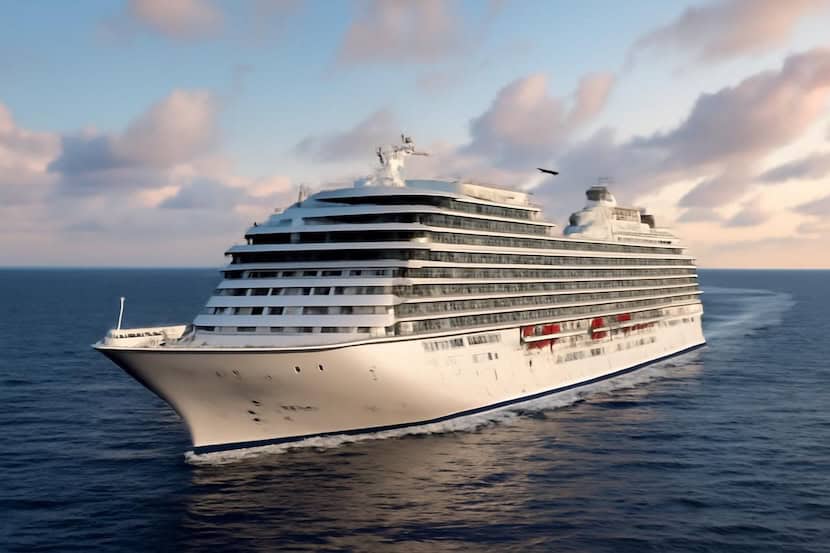
Low river levels are disrupting European river cruises in October 2026, forcing operators to cancel departures, revise itineraries and arrange alternative transportation. Germany’s Rhine, the Danube across Central and Eastern Europe, and the Elbe face some of the most significant navigation challenges. Europe’s river cruise industry is confronting a difficult autumn as falling water levels disrupt popular journeys through Germany, Austria, Hungary and neighboring destinations. Several cruise companies, including Riviera Travel, Viking River Cruises and Avalon Waterways, have reported operational changes affecting selected departures. Some passengers face canceled vacations, while others may encounter ship transfers, revised sightseeing programs or journeys completed partly by coach. The disruption is particularly concerning along the Rhine Gorge and sections of the Danube, where insufficient navigable depth can prevent vessels from completing their scheduled routes. Although many European waterways remain operational, the situation highlights the growing importance of river conditions in cruise planning.
European rivers and cruise routes face the greatest danger for serious low-water risks
| River and affected countries | Cruise routes and critical locations | Risk assessment | Principal threats to cruises |
|---|---|---|---|
| Rhine—Germany, Switzerland, Netherlands | Amsterdam–Basel, Cologne–Koblenz, Rüdesheim–Mainz, Rhine Gorge near Kaub | Critical | Insufficient navigable depth, missed Rhine Gorge passages, rerouting, ship swaps and cancellations |
| Upper Danube—Germany, Austria | Passau–Regensburg, Vilshofen–Passau, and Danube cruises towards Vienna | Very high | Shallow sections restricting vessel passage, altered embarkation points and overland transfers |
| Middle Danube—Austria, Slovakia, Hungary | Vienna–Bratislava–Budapest, Budapest–Vienna | Very high | Restrictions around shallow reaches, changes to Budapest embarkation and itinerary interruptions |
| Lower Danube—Hungary, Serbia, Bulgaria, Romania | Budapest–Belgrade–Vidin–Ruse–Bucharest, Black Sea itineraries | Very high | Extended shallow-water sections, interrupted long-distance itineraries and potential groundings |
| Elbe—Germany, Czech Republic | Berlin/Potsdam–Magdeburg–Dresden–Prague itineraries, including land extensions | Very high | Unreliable navigable depth, interrupted cruising and replacement land excursions |
| Main—Germany | Frankfurt–Würzburg–Bamberg and Rhine–Main–Danube connections | Elevated | Knock-on itinerary changes and possible vessel restrictions; no independently confirmed current closure for all routes |
| Moselle—Germany, Luxembourg, France | Koblenz–Cochem–Trier–Bernkastel-Kues | Moderate | Rhine access disruption and itinerary changes, even where Moselle navigation remains possible |
| Po—Italy | Po Delta and Venice-area inland-waterway itineraries | Structural exposure | Longstanding seasonal variability and limited cruise navigability; no current widespread cancellation confirmed |
| Seine—France | Paris–Rouen–Honfleur | Lower documented exposure | Local navigation or water-level restrictions remain possible; no comparable October low-water crisis verified |
| Rhône and Saône—France | Lyon–Avignon–Arles and Lyon–Chalon-sur-Saône | Lower documented exposure | Potential localised navigational restrictions, without verified widespread October low-water disruption |
| Douro—Portugal | Porto–Régua–Pinhão–Barca d’Alva | Lower documented exposure | Water-management and lock-related operational risks; no current widespread low-water cancellation verified |
Why Are Low Water Levels Threatening European River Cruises in October 2026?
European river cruises depend on sufficient navigable depth to carry passengers safely between destinations. When river levels fall, vessels may be unable to pass shallow sections without risking contact with the riverbed. This creates operational difficulties even when the surrounding waterway remains open to other vessels.
The Rhine and Danube are particularly vulnerable because they connect numerous destinations through sections with different depths and navigation conditions. A single shallow passage can disrupt an entire multi-country itinerary.
Low water levels can result from insufficient rainfall, prolonged dry conditions and changes in river flow. However, individual October 2026 disruptions cannot automatically be attributed to climate change without a specific hydrological assessment.
Advertisement
Advertisement
Cruise operators must consider vessel draft, waterway conditions and safety requirements before proceeding.
The consequences extend beyond navigation. When ships cannot complete their journeys, operators may arrange alternative vessels, road transfers or overnight accommodation. These adjustments can significantly change the passenger experience.
Advertisement
Advertisement
Which European Rivers Are Facing the Greatest Cruise Navigation Risks?
The Rhine, Danube and Elbe stand out as important waterways experiencing or facing substantial navigation difficulties.
Germany’s Rhine is particularly sensitive around Kaub, a well-known bottleneck in the Middle Rhine. This section forms part of popular itineraries connecting Amsterdam, Cologne, Koblenz and Basel. Restrictions here can affect scenic journeys through the Rhine Gorge.
Advertisement
Advertisement
The Danube presents challenges across a much larger geographical area. Cruise itineraries connecting Germany, Austria, Slovakia, Hungary, Serbia, Bulgaria and Romania depend on navigable conditions across multiple river sections.
Germany’s Elbe is another vulnerable waterway because naturally shallow stretches can restrict cruise operations.
Other European rivers, including the Main and Moselle, may experience indirect disruption when ships cannot complete connecting routes.
Meanwhile, operators have reported comparatively normal operations on selected Seine, Rhône and Douro departures.
Advertisement
Advertisement
The distinction matters because low water does not affect every European river simultaneously or with equal severity.
Which river cruise companies have confirmed cancellations or itinerary disruptions?
| Cruise company | Ships or services affected | Latest documented status | Passenger implications |
|---|---|---|---|
| Riviera Travel | MS Geoffrey Chaucer — 14 October; MS Riviera Radiance — 16 October | Cancelled | Two Blue Danube departures cancelled because conditions did not improve sufficiently |
| Riviera Travel | MS Moments — 12 October | Cancelled | Budapest–Black Sea departure cancelled |
| Riviera Travel | MS Oscar Wilde — 16 October | Rerouted | Rhine Gorge passage removed from the planned itinerary |
| Riviera Travel | MS Riviera Resplendence, MS Emily Brontë and MS George Eliot — 17 October | Revised itineraries | Rhine Gorge restrictions affecting scheduled journeys |
| Riviera Travel | MS Geoffrey Chaucer — 21 October | Under review in 15 October notice | Decision was due on 16 October; subsequent outcome not independently verified here |
| Viking River Cruises | Selected Rhine, Danube and Elbe itineraries | Modifications confirmed | Sister-ship transfers and changes to planned journeys possible |
| Avalon Waterways | Selected Rhine and Danube departures | Affected sailings confirmed | Eligible affected passengers offered alternative travel arrangements or refunds |
| Scenic Luxury Cruises | Rhine and Danube sailings | Disruption alerts | Alternative routes, vessels, coach transfers or hotel arrangements possible |
| Emerald Cruises | Rhine and Danube sailings | Disruption alerts | Passengers on potentially affected departures through 31 October were being notified |
| AmaWaterways | Rhine and Danube operations | Contingency measures | Rerouting and sister-ship swaps; operator reported no summer departures cancelled because of low water |
| Köln-Düsseldorfer (KD) | Boppard–St. Goar excursions and selected Rhine stops | Service cancellations and restrictions | Selected sightseeing trips cancelled through 18 October; certain landing stages unavailable |
Which River Cruise Companies Have Canceled or Modified European Sailings?
Riviera Travel provides some of the clearest examples of confirmed disruption during October 2026.
The company canceled its October 14 departure aboard MS Geoffrey Chaucer and its October 16 departure aboard MS Riviera Radiance, both associated with Danube cruising. The October 12 departure aboard MS Moments was also canceled.
Other Riviera vessels, including MS Oscar Wilde, MS Emily Brontë, MS George Eliot and MS Riviera Resplendence, have faced revised itineraries affecting Rhine journeys.
Viking River Cruises has acknowledged modifications to selected Rhine, Danube and Elbe itineraries. Depending on conditions, passengers may be transferred between vessels or offered alternative arrangements.
Avalon Waterways has also confirmed that low water has affected selected Rhine and Danube departures.
Advertisement
Advertisement
Scenic and Emerald Cruises have issued disruption information for affected European waterways.
Importantly, these developments do not represent a complete suspension of European river cruising. Most operators continue to assess individual departures according to local conditions.
What are the most important operational risks for European river cruises?
| Risk factor | How it develops | Consequence for tourism | Severity |
|---|---|---|---|
| Vessel grounding | Insufficient clearance between the hull and riverbed | Potential emergency response, interrupted voyage and passenger transfer | High |
| Cruise cancellation | Vessel cannot safely complete a commercially viable itinerary | Refunds, rebooking, lost holiday plans and operator revenue pressure | High |
| Ship swapping | An impassable section separates vessels | Passengers transfer by road to another ship | Moderate–high |
| Missed destinations | Cruise cannot reach an advertised port | Lost sightseeing opportunities and disruption to local tourism businesses | High |
| Coach substitution | Navigation is impossible over part of the route | More road travel and less time aboard the ship | Moderate–high |
| Inaccessible landing stages | Low water makes gangways excessively steep or unusable | Embarkation difficulties, particularly for passengers with limited mobility | High |
| Hotel substitution | Ship cannot reach the scheduled overnight location | Changed accommodation and increased logistical complexity | Moderate–high |
| Higher operating costs | Additional transport, accommodation and schedule adjustments | Financial pressure on operators and potentially reduced profitability | Moderate |
| Passenger dissatisfaction | Material differences between advertised and delivered journeys | Complaints, refund disputes and reputational risk | Moderate–high |
Why Has Germany’s Rhine Become a Major Concern for River Cruise Operators?
The Rhine is one of Europe’s most important inland waterways, supporting passenger cruises, commercial shipping and tourism across several countries.
Its scenic Middle Rhine section attracts visitors interested in medieval castles, vineyards and historic riverside towns.
However, navigation around Kaub becomes increasingly difficult when water levels decline.
On October 17, 2026, the Kaub gauge was reported at approximately 10 centimeters. This figure represents the gauge reading, not the actual depth of the navigable channel.
Advertisement
Advertisement
That distinction is important because river vessels may still operate at low gauge readings depending on their draft and available channel depth.
Nevertheless, extremely low readings can substantially restrict larger vessels.
For cruise passengers, the consequences may include missed scenic passages, modified port calls or transfers between ships.
Tourism businesses in Koblenz, Rüdesheim and surrounding communities may also lose spending when scheduled cruise visits are canceled.
How Are Low Danube Water Levels Affecting Cruises Across Central and Eastern Europe?
The Danube creates particularly complicated operational challenges because its cruise routes cross numerous national borders.
Popular journeys connect Passau, Vienna, Bratislava and Budapest, while longer itineraries continue toward Serbia, Bulgaria and Romania.
Advertisement
Advertisement
When water levels become insufficient along one section, cruise operators may struggle to maintain the original itinerary.
A ship traveling from Germany toward Hungary, for example, must navigate several sections with different water depths and operating requirements.
Disruption can therefore affect destinations far beyond the immediate shallow-water location.
Budapest is particularly important because it serves as both a major tourist attraction and an embarkation point for numerous Danube itineraries.
Passengers may encounter changes to departure locations, alternative sightseeing arrangements or road transfers.
A July 2026 grounding involving the Viking Ullur in Bulgaria also demonstrated the safety implications of shallow Danube conditions. Passengers were transferred ashore, and no injuries were reported.
Advertisement
Advertisement
What Makes the Elbe Particularly Vulnerable to Cruise Disruption?
The Elbe has long presented challenges for river cruise operators because sections of the waterway are naturally shallow and sensitive to changes in river flow.
Cruise itineraries associated with Dresden, Germany’s historic Saxony region and Prague-linked journeys are especially dependent on suitable navigation conditions.
Unlike some heavily regulated waterways, sections of the Elbe have limited infrastructure to maintain consistent navigable depth during dry periods.
This makes itinerary planning more complicated when water levels decline.
Cruise operators may respond by adjusting sailing distances, substituting road transportation or arranging alternative sightseeing programs.
Passengers can still visit important cultural destinations, but the experience may differ substantially from the original river-based journey.
Advertisement
Advertisement
The Elbe’s vulnerability also illustrates a wider challenge for European river tourism.
Operators must balance demand for scenic inland cruising with the physical limitations of waterways that cannot guarantee consistent conditions throughout the season.
Which European River Cruise Departures Require Close Monitoring in Late October?
| Departure date | Cruise vessel | Itinerary | Reported status |
|---|---|---|---|
| October 21 | MS Geoffrey Chaucer | Blue Danube | Revised itinerary |
| October 23 | MS Oscar Wilde | Rhine Cruise to Switzerland | Revised itinerary |
| October 23 | MS Riviera Radiance | Blue Danube | Decision scheduled for October 19 |
| October 24 | MS Emily Brontë | Rhine Cruise to Switzerland | Revised itinerary |
| October 24 | MS Riviera Resplendence | Rhine Cruise to Switzerland | Decision scheduled for October 19 |
| October 24 | MS George Eliot | Rhine, Strasbourg and Heidelberg | Decision scheduled for October 19 |
| October 26 | MS Moments | Blue Danube | Decision scheduled for October 21 |
| October 28 | MS Geoffrey Chaucer | Blue Danube | Decision scheduled for October 23 |
| October 30 | MS Riviera Radiance | Blue Danube | Decision scheduled for October 26 |
| October 31 | MS Riviera Resplendence | Rhine Cruise to Switzerland | Decision scheduled for October 27 |
How Could Low River Levels Affect Europe’s Tourism Economy?
River cruising supports a broad network of local tourism businesses throughout Europe.
Passengers spend money on guided tours, museums, restaurants, retail outlets and transportation during scheduled port visits.
When cruises bypass destinations, these businesses may lose customers who would otherwise have arrived through organized excursions.
Germany’s Rhine Valley is particularly exposed because its tourism economy benefits from scenic cruising, castle visits and wine-related experiences.
Advertisement
Advertisement
Danube destinations, including Vienna, Bratislava and Budapest, also rely on international visitors traveling between major cultural centers.
Smaller communities may be especially sensitive to missed cruise calls because scheduled groups provide concentrated visitor spending.
Cruise companies face additional costs when they must arrange coaches, alternative accommodation and revised excursions.
However, the precise economic losses associated with October 2026 disruptions have not been comprehensively established.
Any claims about millions of dollars in lost tourism revenue would therefore require verified operator or destination-level financial evidence.
Are France and Portugal Offering More Reliable River Cruise Alternatives?
While the Rhine and Danube face significant operational challenges, several other European cruising regions have reported comparatively stable conditions.
Advertisement
Advertisement
Riviera Travel’s October 16 update indicated that its imminent departures on the Seine, Rhône, Douro and Dutch and Belgian waterways were operating as planned.
France’s Seine offers itineraries connecting Paris with Normandy, while Rhône cruises explore destinations such as Lyon, Avignon and Arles.
Portugal’s Douro provides vineyard landscapes and cultural excursions around Porto and the country’s northern wine region.
These alternatives may appeal to travelers concerned about itinerary disruption.
However, normal operation on one company’s departures does not guarantee that every vessel or future sailing will remain unaffected.
Water levels, lock operations, weather and local navigation notices can change.
Advertisement
Advertisement
Travelers should therefore assess the specific departure rather than assuming that an entire river is either safe or disrupted.
What Should Travelers Know Before Booking a European River Cruise?
Travelers considering European river cruises should pay particular attention to navigation conditions and the operator’s contingency arrangements.
Checking official river-level information can provide useful context, although gauge readings alone cannot determine whether a passenger vessel can sail.
Germany’s PEGELONLINE and ELWIS services provide authoritative information about inland waterways and navigation conditions.
Cruise companies also publish operational notices explaining revised itineraries and departure decisions.
Before booking, passengers should understand whether their cruise company may substitute ships, hotels or coaches when water levels become unsuitable.
Advertisement
Advertisement
Travel insurance coverage should also be reviewed carefully because weather-related itinerary changes may not automatically qualify for reimbursement.
Travelers with accessibility requirements should ask how alternative transportation and embarkation arrangements will be managed.
The most practical approach is to obtain current information about the specific vessel, route and departure date rather than relying on general statements about European river conditions.
What Does the October 2026 Disruption Mean for the Future of European River Cruising?
The October 2026 low-water disruption highlights the operational vulnerability of an industry built around Europe’s historic waterways.
Cruise companies can modify routes, reposition vessels and arrange alternative transportation, but they cannot eliminate the navigational limitations imposed by insufficient water depth.
The Rhine, Danube and Elbe remain attractive tourism corridors, yet their conditions can vary significantly across seasons and individual river sections.
Advertisement
Advertisement
Operators may increasingly need flexible scheduling, improved passenger communication and contingency plans that protect the quality of the vacation when navigation becomes difficult.
Destinations also have an interest in developing tourism experiences that remain accessible when river arrivals decline.
For passengers, the central lesson is that river cruising offers exceptional access to European landscapes and cultural destinations, but itineraries remain dependent on natural conditions.
What Happens to Passengers When European River Cruises Cannot Continue?
Low-water disruption does not always mean passengers must abandon their vacations.
Cruise companies have several contingency options, depending on the location, available vessels and severity of navigation restrictions.
One common arrangement involves transferring passengers between ships positioned on opposite sides of an affected river section.
Advertisement
Advertisement
Operators may also provide coaches to connect destinations that cannot be reached by water.
In more serious situations, passengers may spend part of their journey in hotels while sightseeing continues on land.
These arrangements can preserve some elements of the vacation, but they may reduce time aboard the vessel and change the planned experience.
Travelers with limited mobility may face additional challenges when landing stages become inaccessible or gangways are unusually steep.
Refunds, rebooking options and compensation depend on the operator’s terms, applicable consumer protection laws and the nature of the disruption.
Passengers should request written confirmation of material itinerary changes before departure.
Advertisement
Advertisement
Europe’s river cruise industry faces mounting operational pressure as low water conditions disrupt navigation across major tourism corridors. The problem stems from insufficient river depths that prevent certain vessels from safely completing scheduled journeys. Operators are responding with revised routes, ship transfers, coach transportation and selected cancellations. These disruptions also threaten local tourism businesses that depend on cruise passengers. However, the situation does not mean every European river journey is affected. Several waterways remain operational. Travelers should monitor official cruise updates, confirm departure arrangements and review cancellation policies. Flexible planning and transparent communication will remain essential as conditions evolve.
Advertisement
