
Nepal’s Annapurna Region Sees Unprecedented Surge in Tourism with Nearly Nearly Three Hundred Thousand International Visitors in 2025 Reflecting Strong Recovery and Growing Global Appeal

Published
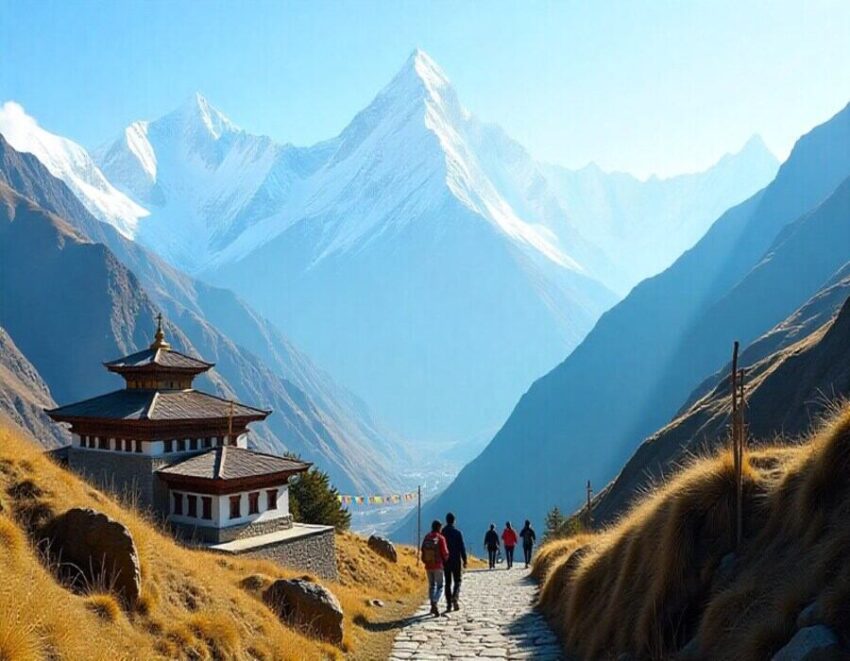 Image generated with Ai
Nepal’s Annapurna region has experienced an extraordinary rise in international tourism, welcoming nearly three hundred thousand visitors in 2025, a significant milestone that showcases the region’s growing global appeal. This surge in arrivals reflects the region’s status as a prime destination for adventure tourism, attracting trekkers and nature enthusiasts from around the world. The region’s iconic trekking routes, such as Annapurna Base Camp and Mardi Himal, combined with its breathtaking landscapes and cultural heritage, have cemented its position as a must-visit location. Moreover, improvements in infrastructure, increased accessibility, and the overall recovery of global tourism post-pandemic have further fueled this growth. The region’s ability to draw such a diverse range of visitors underscores its vital role in Nepal’s tourism sector and its increasing prominence on the global stage.
The Annapurna region in Nepal has witnessed a remarkable surge in international tourism in 2025, welcoming a total of 299,831 visitors—a significant increase from previous years. This growth is particularly noteworthy, considering the challenges the tourism industry faced in the wake of the global pandemic. Among the 299,831 tourists, 177,628 came from South Asian countries, while 122,203 traveled from various parts of the world. This influx represents a substantial boost to the region’s tourism sector and underscores Annapurna’s enduring appeal as a world-renowned travel destination.
The Annapurna region has long been a magnet for adventure seekers, nature lovers, and spiritual travelers. Its natural beauty, marked by towering peaks, lush valleys, and diverse landscapes, provides the perfect backdrop for trekking, mountaineering, and cultural exploration. In addition to its iconic trekking routes, the region also holds deep cultural and spiritual significance, drawing visitors not only for outdoor adventures but also for a chance to experience the rich heritage of the local communities.
Notable trekking destinations in the Annapurna region include the Annapurna Base Camp, Mardi Himal, Ghandruk, Tilicho Lake, Thorang La Bhanjyang, Upper Mustang, and the sacred Muktinath area. These locations offer something for every type of traveler, whether they are seeking a challenging trek, a serene escape into nature, or a spiritual pilgrimage. Annapurna Base Camp, for instance, is a popular trekking route that offers breathtaking views of the Annapurna massif, while Mardi Himal and Ghandruk cater to those looking for more off-the-beaten-path experiences.
Advertisement
Advertisement
The increase in tourist arrivals in 2025 marks a notable recovery from the years of downturn caused by global crises. In comparison to the 244,045 visitors recorded in 2024, the 2025 figures represent a significant rise of more than 22%, signaling a growing demand for trekking and adventure tourism in Nepal. Additionally, the 299,831 international visitors in 2025 outstripped the pre-pandemic figure of 181,000 tourists in 2019, which highlights the region’s rapid recovery and the overall positive outlook for Nepal’s tourism industry in the coming years.
A major factor driving the increase in tourism to the Annapurna region is the growing international interest in trekking and mountaineering. With its challenging routes, spectacular views, and relatively accessible terrain compared to other Himalayan regions, Annapurna offers a perfect blend of adventure and nature. The completion of infrastructure improvements, such as better trekking trails, accommodation facilities, and road access, has further enhanced the region’s accessibility for foreign travelers. This has, in turn, encouraged more visitors from around the world to explore the Annapurna Conservation Area.
Advertisement
Advertisement
The rise in South Asian tourists, who make up a substantial portion of the visitor count, reflects an increasing trend in regional tourism. Many South Asian travelers are drawn to Annapurna’s trekking routes for their proximity and the opportunity to experience the Himalayan region’s beauty and culture. This growth in regional travel has also supported the local economy, creating new opportunities for businesses in the tourism and hospitality sectors.
However, the increasing popularity of the Annapurna region comes with its challenges. As more visitors flock to the area, there is a growing need to ensure sustainable tourism practices that preserve the natural environment and local culture. The Annapurna Conservation Area Project (ACAP), which oversees the region, is working diligently to implement strategies that balance tourism growth with environmental conservation. Initiatives include waste management programs, community-based tourism efforts, and the promotion of eco-friendly trekking practices to minimize the impact on the region’s fragile ecosystem.
The influx of international visitors also underscores the importance of maintaining the delicate balance between tourism and local community well-being. With growing tourist numbers, there is a pressing need for greater collaboration between local communities, government agencies, and tour operators to ensure that the benefits of tourism are equitably shared and that the impact on local cultures and lifestyles is minimized.
In terms of economic impact, tourism in the Annapurna region provides vital revenue for local communities. Many of the region’s villages and towns depend on income from tourism-related activities such as trekking, hospitality, and handicrafts. The success of the tourism sector also creates employment opportunities for locals in various sectors, including guides, porters, cooks, and hospitality workers. The steady growth in tourist arrivals promises continued prosperity for these communities, as long as sustainable practices are upheld.
The tourism growth in the Annapurna region also contributes to Nepal’s overall tourism industry, which has become a key driver of economic growth in the country. The sector supports a wide range of industries, from transportation to hospitality and beyond, making it an essential part of Nepal’s economic future. In addition to its economic contributions, tourism also fosters cultural exchange and understanding, as visitors from different countries come to experience Nepal’s rich heritage and natural beauty.
Nepal’s Annapurna region saw a remarkable influx of nearly three hundred thousand international visitors in 2025, driven by its iconic trekking routes, stunning landscapes, and improved accessibility. This surge highlights the region’s growing global appeal and its significant role in Nepal’s tourism recovery.
In conclusion, the Annapurna region’s remarkable growth in tourism in 2025 reflects a dynamic and resilient sector that is poised to continue attracting adventurers, nature enthusiasts, and spiritual seekers for years to come. With its unparalleled trekking routes, stunning landscapes, and cultural significance, the region remains a premier destination for travelers worldwide. The challenge now lies in ensuring that this growth is managed sustainably, so that the beauty of Annapurna can be enjoyed by future generations while benefiting local communities and the broader Nepali economy.
Advertisement
