

New Canadian Visa Restrictions Affect Russian Travelers: How Moscow’s Suspension Impacts Access Through Armenia, Georgia, and Kazakhstan – Here’s What You Need to Know About Traveling to Canada

Published
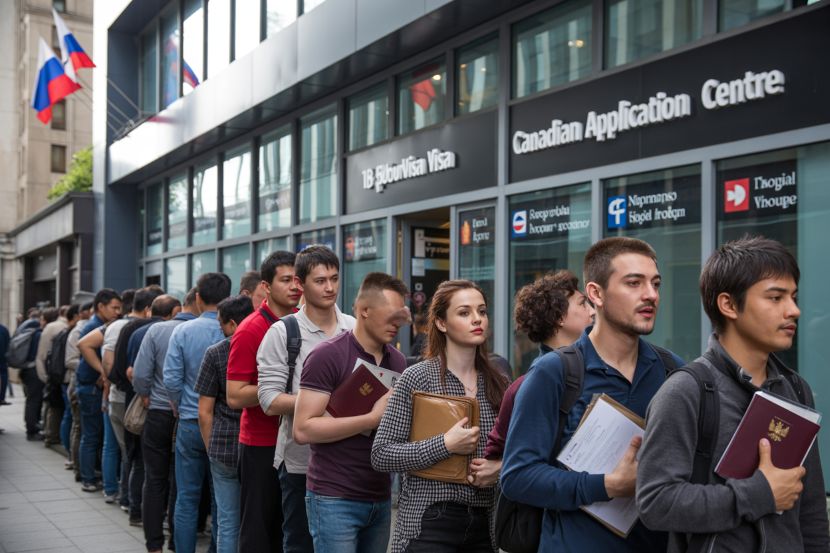 Image generated with Ai
In a move that impacts Russian nationals seeking to visit Canada, the Canadian government has recently stopped processing visa applications within Russia. This decision, made public on January 28, 2026, forces Russian travelers to travel abroad to neighboring countries for visa processing. While Canada did not cite the ongoing diplomatic tensions with Russia as the primary reason for the suspension, it aligns with recent geopolitical shifts that have affected travel and visa policies globally. As travelers face new logistical and financial challenges, this shift highlights how international relations are directly influencing the ease of global tourism. With growing tensions between Russia and several countries, including Canada, this update signals further hurdles for Russian tourists hoping to visit Canadian destinations in the near future.
Canada Closes Visa Processing Centers in Russia
In an unexpected move, Canada announced the temporary closure of its Visa Application Centers (VACs) in Russia, including the halting of all visa processing for Russian nationals. The suspension means that any Russian applicants now need to travel to one of Canada’s neighboring countries to complete their visa procedures. The affected centers are located in key Russian cities like Moscow, where visa applications had been regularly processed. Travelers hoping to secure Canadian visas will now have to head to countries like Armenia (Yerevan), Georgia (Tbilisi), and Kazakhstan (Almaty and Astana), all of which continue to offer fully operational visa processing services for Canadian-bound tourists.
Advertisement
Advertisement
This new rule raises a significant concern for Russian nationals who have to bear not only the costs of obtaining the visa itself but also the extra expenses associated with traveling abroad. Depending on their departure location and the season, travelers could face significant additional costs—potentially between 30,000 to 100,000 RUB ($535–$1,785 CAD) for flights, accommodation, and other essential expenses. This increases the financial burden on Russian citizens, many of whom are already facing strained economic conditions.
Why Canada Made This Move: Financial and Operational Factors
While the decision has political overtones given the long-standing tension between Canada and Russia, the Canadian government has stated that it was primarily driven by operational and financial considerations. According to government statements, the suspension was part of a broader initiative to modernize operations and reduce the costs associated with running international visa services. With such major changes in global visa dynamics, especially with the strained relations between Russia and Canada, the Canadian government is focusing on ensuring that their visa operations are streamlined and cost-effective.
Advertisement
Advertisement
At the same time, the closure of these centers highlights the ongoing impact of international conflicts on the travel and tourism industry. For Russian nationals, the additional complexity in obtaining a visa means that their international travel options are shrinking, particularly for countries like Canada, which has historically been a popular destination for both tourists and professionals alike.
The Global Context: How Other Countries Have Reacted
Canada’s visa processing suspension is not an isolated move. Countries such as the United States and several European Union nations have also imposed increased visa restrictions for Russian citizens following the country’s invasion of Ukraine. The United States recently suspended its immigrant visa services for Russia, although short-term tourist and business visas remain unaffected. The European Union has introduced stricter visa protocols, including eliminating multiple-entry visas for Russians and imposing heightened scrutiny on visa applications.
Advertisement
Advertisement
This global trend demonstrates a significant shift in the world of international travel. For travelers from Russia, these changes translate into added difficulty when planning trips abroad, particularly to countries in North America and the European Union. As Canada follows suit with tighter visa requirements, it seems likely that other countries may adopt similar measures as diplomatic strains continue to rise.
Travel Tips for Russian Nationals Affected by Canada’s Visa Suspension
1. Consider Alternative Visa Processing Locations: If you are a Russian national and planning to visit Canada, check with the Canadian visa offices in nearby countries, such as Armenia, Georgia, and Kazakhstan. Visa processing can take time, so be prepared to plan ahead and ensure your passport is valid for international travel.
2. Budget for Additional Travel Costs: Along with the standard visa application fees (which range between 185 and 240 CAD), you will need to account for the travel and accommodation expenses associated with applying for your visa abroad. Flight prices fluctuate depending on the season, so it’s essential to book tickets early to minimize costs.
3. Plan for Possible Delays: With the disruption in visa processing services, there may be delays in obtaining your Canadian visa. It is advised to check regularly with Canadian consulates in neighboring countries for updates on visa processing times and any additional requirements.
4. Watch for Changing Travel Regulations: Diplomatic tensions can affect visa and travel policies quickly. It’s crucial for travelers to stay informed about any sudden changes in visa issuance that may impact their travel plans. Regularly visit official embassy or consulate websites to receive accurate information.
The Impact of Visa Suspensions on Global Tourism
The suspension of visa services for Russian nationals serves as a stark reminder of how international relations play a significant role in shaping global tourism. Countries in conflict are increasingly limiting the ease of movement for citizens of rival states, and this not only impacts travelers but also global tourism industries. From flight bookings to hotel reservations, the travel sector is highly sensitive to geopolitical tensions, and restrictions like these lead to disruptions in travel flow, affecting both tourists and the tourism-related economy.
Advertisement
Advertisement
For countries like Canada, traditionally popular for both leisure travel and educational tourism, this shift could also have a long-term economic impact. Canadian cities, renowned for their cultural offerings, outdoor activities, and world-class universities, may see a dip in Russian visitors. This is especially true for individuals seeking tourism-related experiences and higher education opportunities.
What’s Next for Russian Travelers?
With the ongoing uncertainty in the global political landscape, it is likely that visa requirements will continue to evolve in line with shifting diplomatic relations. Travelers from Russia, particularly those looking to visit Canada or countries with similar restrictions, will need to keep a close eye on policy changes. Meanwhile, they should also look into alternative destinations that may not face such severe travel restrictions.
Canada’s decision to halt visa processing within Russia adds another layer of complexity for Russian nationals seeking to travel internationally, but it is just one of many actions taking place globally as international relations continue to impact travel access. For now, travelers hoping to visit Canada must factor in not only the visa costs but also the logistical hurdles involved in traveling to neighboring countries to complete their application process.
Advertisement
