

UK Rail Travel Set for a Bold New Chapter as Great British Railways Moves to Unlock Fairer Ticket Booking in 2027

Published
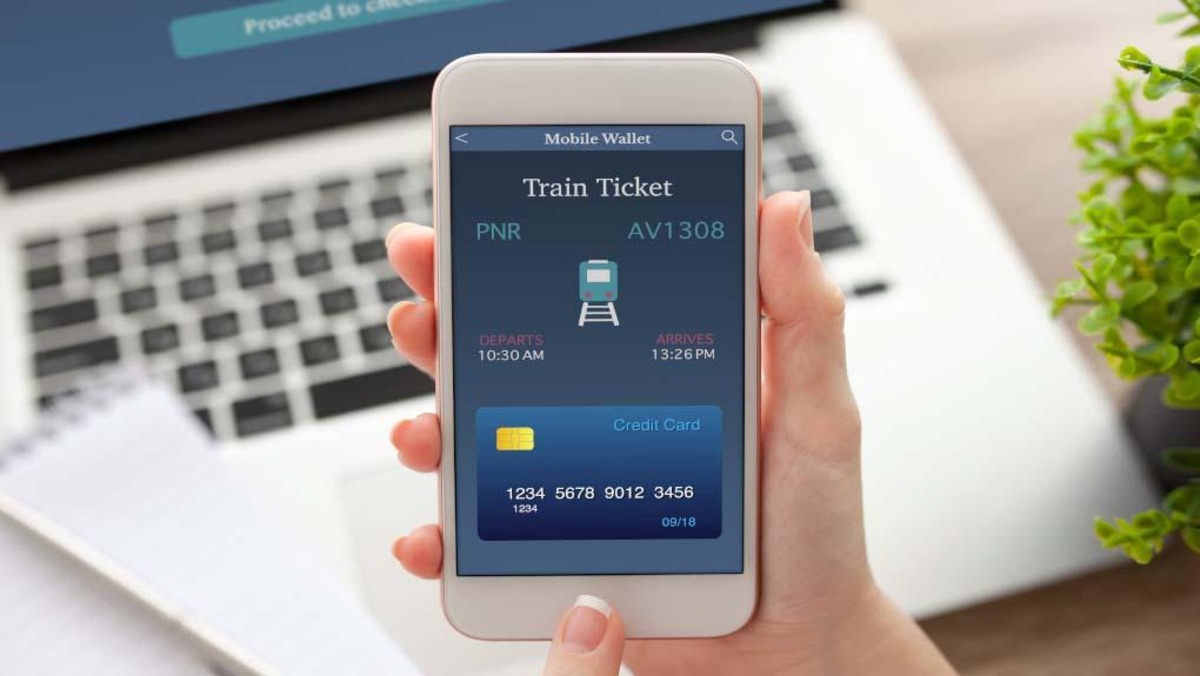
The United Kingdom has taken a significant step towards reshaping railway ticket sales across England, Scotland and Wales, with the Office of Rail and Road (ORR) launching a public consultation on 9 October 2026 to establish new safeguards under Great British Railways (GBR). The proposed Retail Code of Practice aims to protect passenger choice, preserve independent ticket retailers and prevent unfair competition as the government prepares to bring railway operations and ticketing services under a more integrated national structure. The consultation, which closes on 11 December 2026, could influence how domestic passengers, international tourists and travel businesses purchase British rail tickets in the coming years.
The development forms part of the government’s wider railway reform programme, which seeks to simplify the passenger experience while maintaining a competitive online ticketing market. Great British Railways is expected to operate most passenger services, manage important railway systems and introduce its own national ticket-booking website and mobile application. However, the organisation will also oversee essential retail infrastructure used by competing ticket sellers, creating a need for clear rules governing market access, commercial information and fair competition.
Great British Railways Plans Major Changes to Britain’s Online Ticket Booking System
One of the most important developments is the planned replacement of 14 existing train operator websites and mobile applications with a single Great British Railways digital booking platform. The government intends to reduce fragmentation across the railway network and provide passengers with a more consistent way to research journeys, access ticket information and purchase fares.
The changes could be particularly relevant for international visitors who currently navigate different railway booking channels when planning holidays across Britain. A more integrated platform may simplify journeys involving destinations such as London, Manchester, Birmingham, Edinburgh and Cardiff. The government’s plans also seek greater consistency between online booking, station ticket sales and onboard retail services, although no confirmed launch date has been announced.
Advertisement
Advertisement
Independent Ticket Retailers Will Continue Selling British Railway Journeys
Despite the proposed national booking platform, the government does not intend to eliminate independent railway ticket retailers. Third-party booking businesses, open-access railway operators and devolved operators will continue to have opportunities to sell tickets through their existing channels.
This distinction is important for Britain’s wider travel distribution industry. Independent retailers provide alternative booking options, digital services and customer-facing technology that can help passengers arrange journeys. Their continued participation could preserve competition and support innovation in railway ticket sales.
Advertisement
Advertisement
The proposed safeguards would require GBR to provide fair access to railway fares, products, essential systems and relevant data. The intention is to ensure that the new national retailer does not gain an unfair commercial advantage simply because it also controls infrastructure used by competing businesses.
Six Powerful Regulatory Safeguards Aim to Protect Competition and Passenger Choice
The UK Government’s updated rail retail policy framework identifies six core principles designed to address potential conflicts arising from GBR’s combined responsibilities.
Advertisement
Advertisement
| Proposed safeguard | What it means for the railway market |
|---|---|
| Managing conflicts of interest | GBR must identify and manage situations where its responsibilities could favour its own retail business. |
| Fair and open competition | Market-wide decisions must not give GBR or another retailer an unfair advantage. |
| Equal access to systems and data | Retailers should receive fair access to fares, reservations, timetables and essential ticketing services. |
| Protection of sensitive information | Commercial information belonging to competing retailers must remain secure. |
| Monitoring and compliance | GBR must monitor compliance, while ORR can investigate concerns and pursue enforcement. |
| Consultation on market changes | Important changes affecting retailers must follow reasonable and transparent processes. |
These principles are intended to establish enforceable standards rather than rely entirely on competition investigations after problems occur. The framework also addresses ticket promotions. Under the government’s proposed approach, GBR would not be permitted to offer exclusive fare promotions unavailable to customers purchasing through competing retailers. This could help protect consumer choice across different booking platforms.
England, Scotland and Wales Tourism Could Gain From Simpler Railway Connections
Britain’s railway network connects major cities with historic towns, countryside destinations, coastal communities and regional tourism centres. Any improvement in the way tickets are sold could therefore have implications beyond daily commuting. In England, rail journeys provide access to destinations including London, York, Oxford, Bath and Manchester. Scotland’s railway network supports travel between Edinburgh, Glasgow and destinations further north, while services across Wales connect Cardiff with regional towns and visitor attractions.
A more consistent booking experience could help tourists plan multi-destination holidays without repeatedly navigating unfamiliar ticketing platforms. Continued access through independent retailers could also support travel agencies and digital booking businesses serving overseas visitors. However, the consultation concerns the regulation of ticket sales rather than the introduction of new train routes, faster services or additional railway capacity. Any improvements to tourism accessibility will depend on how the eventual system operates.
Rail Technology, Ticket Data and Commercial Transparency Become Central to Reform
The proposed changes extend beyond the passenger-facing booking website. Great British Railways will inherit important market-wide retail responsibilities currently managed by the Rail Delivery Group. These include common industry information technology systems, access arrangements, technical standards, commission structures and the licensing of independent retailers.
Advertisement
Advertisement
Such systems are essential because online railway retailers require reliable information about fares, reservations, timetables and available ticket products. Without fair access, competing businesses could struggle to offer passengers the same range of services. The proposed code therefore places considerable emphasis on information governance and transparency. GBR would be expected to protect commercially sensitive retailer data, including information associated with sales and revenue settlement.
The government also recognises that GBR’s integrated public-service role differs from that of an independent commercial retailer. Its funding arrangements will consequently operate within a separate public-service framework, alongside competition law and regulatory oversight.
Travel Agencies and Online Booking Platforms Face a Changing Distribution Landscape
For travel agencies, online travel businesses and specialist rail retailers, the proposed framework could shape future commercial opportunities within Britain’s railway market. Independent platforms would continue to compete alongside GBR, provided they meet the relevant licensing and technical requirements. Fair access to railway products and booking systems could allow these businesses to maintain customer services and develop new digital solutions.
The arrangements may also be relevant to businesses assembling multi-city travel itineraries, rail-based holidays and destination packages. Continued retailer choice could provide flexibility when combining railway journeys with accommodation and other travel services. At the same time, the reform could introduce operational changes as industry systems, governance arrangements and retail responsibilities move towards GBR. Businesses may need to adapt their technology and commercial processes as implementation progresses.
December 2026 Consultation Deadline Sets the Stage for New Rules in Spring 2027
The Office of Rail and Road has invited responses from independent retailers, train operators, investors, regional governments, passenger organisations and other interested stakeholders. The consultation opened on 9 October 2026 and will close on 11 December 2026. Feedback will help determine the final wording and implementation of the Retail Code of Practice.
The final code is expected to be submitted for government approval in spring 2027. Once implemented, compliance would become a condition of GBR’s railway operating licence. ORR would be responsible for monitoring compliance and addressing potential breaches. Retailers could raise concerns with the regulator, while formal enforcement measures would remain available where necessary. The regulator’s powers would operate alongside existing competition legislation and other legal obligations governing railway activities.
Advertisement
Advertisement
Britain’s Wider Railway Reform Could Reshape the Future of Rail-Based Tourism
The ticketing consultation forms part of a broader restructuring of Britain’s railway industry. Under the Railways Bill, Great British Railways is intended to become a publicly owned organisation headquartered in Derby, bringing passenger operations and railway infrastructure management under more unified leadership.
The wider reform also recognises the distinct railway arrangements in Scotland and Wales. Scottish ministers will retain responsibilities for setting Scotland’s railway strategy, while a dedicated Wales and Borders business unit is intended to support cooperation with Transport for Wales. These arrangements underline the importance of maintaining a coordinated railway network without removing the roles of devolved operators.
The changes do not introduce new visa requirements, passport rules or border controls. They also do not guarantee cheaper railway tickets or establish a confirmed date for launching the new booking platform. Instead, the consultation represents an important regulatory stage in Britain’s railway transformation. Its outcome will help determine how the country’s future ticketing market balances national integration, independent business participation and passenger choice as Great British Railways takes shape.
Advertisement
