
Ngorongoro-Lengai Geopark’s Revival: Chinese Aid Paves the Way for a New Era of Ecotourism in Tanzania

Published
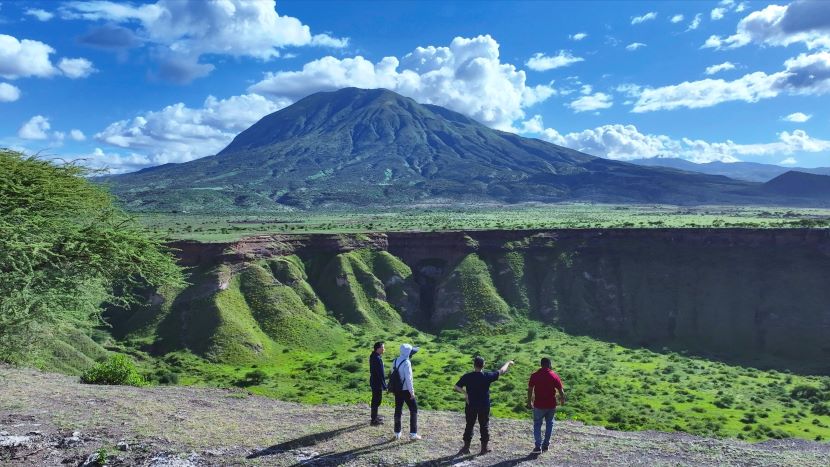
Image generated with Ai
Tanzania’s Ngorongoro-Lengai Geopark has undergone a remarkable transformation, thanks to China’s robust support. Located in the heart of the Arusha region, this UNESCO-listed site is not only rich in geological history but is also now a beacon for sustainable tourism and heritage conservation. With the backing of a collaborative project between Tanzania and China, the geopark’s infrastructure has been revamped, setting a new standard for global geoparks.
Reviving a Geological Wonder
The Ngorongoro-Lengai Geopark is a unique fusion of natural beauty and cultural significance. Spanning over several key landmarks, it includes the awe-inspiring Ngorongoro Crater, the Ol Doinyo Lengai volcano, and the famous Laetoli footprints—one of the oldest and most important discoveries of early human footprints. Recognized as a UNESCO Global Geopark in 2018, the site has long attracted visitors and scientists alike due to its incredible geological features.
Advertisement
Advertisement
However, despite its global fame, the geopark faced significant challenges, including underdeveloped infrastructure, lack of visitor information, and a need for better scientific interpretation of its features. These shortcomings prompted UNESCO to issue a “yellow card” to the park in 2022, urging urgent reforms to preserve its UNESCO status.
China’s Strategic Partnership: Transforming Heritage into a Modern Tourism Hub
In response to UNESCO’s call, China extended a helping hand through a partnership forged during Tanzanian President Samia Suluhu Hassan’s visit to China in 2022. This collaboration brought together top-tier geological experts and engineers from China’s Tianjin Center of the Geological Survey and the China Railway 25th Bureau Group. Their task was to undertake comprehensive surveys of the geopark’s geological features and improve its infrastructure.
Advertisement
Advertisement
One of the project’s standout achievements was the construction of a state-of-the-art geological museum designed to enhance visitors’ understanding of the park’s rich history. The museum is equipped with solar-powered interactive exhibits that offer insights into the park’s geological past and the importance of preserving such sites for future generations.
Improving Visitor Experience with Modern Amenities
To make the site more accessible and enjoyable for tourists, nearly 300 multilingual informational signs were installed across the geopark. These signs not only help visitors understand the site’s scientific and cultural significance but also ensure safety and accessibility for international visitors. The addition of solar-powered lighting and interactive exhibits ensures the museum can operate even during power outages, common in the region.
Advertisement
Advertisement
Empowering the Local Community: A Model for Sustainable Development
An essential aspect of this revitalization project was the engagement of the local Maasai community. Understanding the importance of local involvement in conservation efforts, the project included a month-long training program for almost 300 residents. This initiative equipped them with geological knowledge, disaster monitoring skills, and the ability to use interpretive tools, ensuring they can contribute to the geopark’s management and conservation efforts. This community-focused approach has made the Ngorongoro-Lengai Geopark not only a geological wonder but also a source of pride for local communities, promoting a sustainable tourism model that benefits both the environment and the people.
UNESCO’s Revalidation and Future Prospects
Thanks to these transformational efforts, the Ngorongoro-Lengai Geopark has been revalidated by UNESCO in December 2024, signaling the successful implementation of the necessary improvements. These advancements have laid the groundwork for the park to meet the highest international standards in heritage conservation and geotourism. The completion of the project is slated for November 2025, with further developments planned to boost the site’s tourism potential and create a lasting legacy of cultural exchange and ecological protection.
Advertisement
Advertisement
As Tanzania continues to harness the economic potential of its UNESCO sites, the Ngorongoro-Lengai Geopark is set to become a model for sustainable tourism and international cooperation, offering travelers a unique opportunity to experience the intersection of natural beauty and cultural heritage.
Looking Forward: Ngorongoro-Lengai Geopark as a Sustainable Tourism Destination
With ongoing investments and community participation, the geopark is set to position itself as a top-tier sustainable tourism destination by 2025. The integration of modern tourism infrastructure, along with a strong emphasis on cultural heritage preservation, ensures that the Ngorongoro-Lengai Geopark will continue to thrive as a global geotourism hub. The collaboration between Tanzania and China serves as a blueprint for future international partnerships aimed at protecting the world’s most valuable natural and cultural treasures while promoting economic development and sustainable tourism.
Image: China Daily
Advertisement
