

Nepal Takes Historic Step Toward Easier India Travel With National Identity Card Proposal That Could Create a New Era of Seamless Cross Border Movement

Published
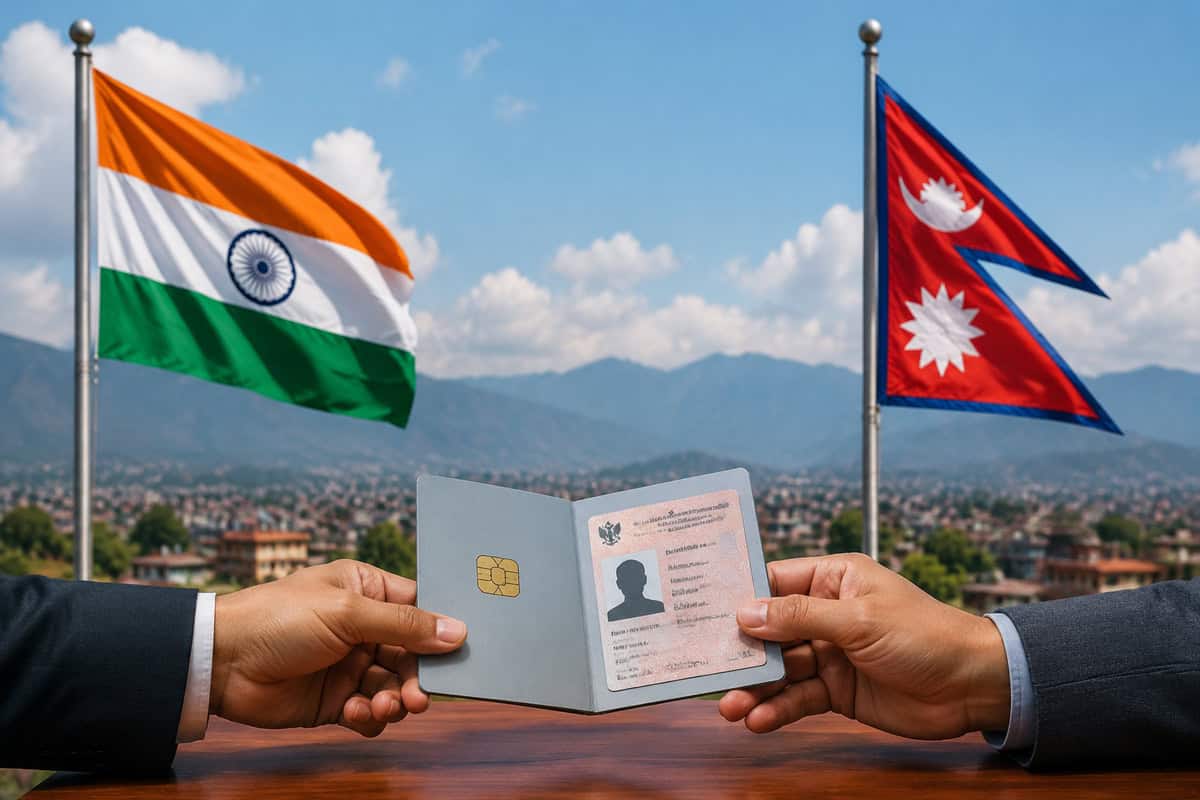
Nepal has taken a significant step towards modernising travel between Nepal and India by requesting official recognition of its National Identity Card (NID) as a valid travel document for citizens travelling to India. If approved by Indian authorities, the move could introduce a new identification option for Nepali travellers and potentially make cross-border movement more convenient for tourists, business visitors and people travelling between the two neighbouring countries.
The proposal has been formally submitted through diplomatic channels, with Nepal’s Department of Immigration communicating the request to the Indian government. Nepal is now awaiting an official response from India on whether the biometric National Identity Card can be accepted alongside existing travel documents.
Advertisement
Advertisement
The development comes at a time when both countries are focusing on improving regional connectivity, simplifying movement and strengthening tourism cooperation.
Nepal Seeks India Approval for National Identity Card as Travel Document
Nepal has requested India to recognise its National Identity Card as an approved identification document for travel purposes. Currently, Nepali citizens travelling to India are required to carry either a citizenship certificate or a passport, particularly when travelling by air.
Advertisement
Advertisement
Under the proposed system, the National Identity Card would become an additional accepted document, giving travellers another option when crossing the border through air or land routes.
The proposal was prepared by Nepal’s Department of Immigration and sent through Nepal’s official government channels. The request was forwarded through Nepal’s Ministry of Foreign Affairs after approval and communication through the relevant government departments.
Advertisement
Advertisement
Nepali officials have indicated that discussions are continuing with Indian authorities and the Indian Embassy in Kathmandu. Nepal is expecting a positive response that could help create a more streamlined travel process between the two nations.
Third Identification Option for Nepali Travellers
If India accepts the proposal, Nepal’s National Identity Card will become the third recognised identification option for Nepali citizens travelling to India.
At present, Nepali travellers generally rely on two major documents: a citizenship certificate or a passport. The inclusion of the biometric National Identity Card would provide additional flexibility, especially for frequent travellers who move between the two countries for tourism, business, employment and family reasons.
The move could be particularly beneficial for travellers using air routes, where documentation requirements are more strictly monitored compared with open land-border movement.
A recognised digital identity document could reduce dependency on traditional paperwork and support smoother passenger processing at airports and border points.
However, the final implementation will depend entirely on approval from Indian authorities and any conditions attached to the recognition process.
Advertisement
Advertisement
How the National Identity Card Could Impact Tourism Travel
The recognition of Nepal’s National Identity Card could have a direct impact on tourism between Nepal and India.
Both countries share deep cultural, religious and historical connections. Thousands of citizens travel across the border every year for leisure, pilgrimage, education, business and personal reasons.
A simpler documentation process could encourage more short-term travel between the two destinations. Indian travellers frequently visit Nepal for destinations such as Kathmandu, Pokhara, Lumbini and Himalayan adventure regions, while Nepali citizens travel to India for religious sites, shopping, medical services and tourism experiences.
For tourism operators, easier identification procedures could support the growth of cross-border packages, weekend trips and regional travel circuits.
Travel agencies, airlines, hotels and transport providers may benefit from improved convenience if the proposal leads to faster movement and fewer documentation-related challenges.
India Nepal Open Border System Supports Strong People Movement
India and Nepal share one of South Asia’s closest cross-border relationships.
Advertisement
Advertisement
The two countries operate under the framework of the 1950 India–Nepal Treaty of Peace and Friendship, which allows citizens of both nations to travel and work across the border without traditional visa requirements.
Despite the open-border arrangement, specific identity documents are required for certain forms of travel, particularly air travel.
The recognition of Nepal’s National Identity Card would not create a new visa-free system, as citizens of both countries already enjoy significant travel freedom under existing bilateral arrangements. Instead, it would expand the range of acceptable identification documents for Nepali travellers.
This distinction is important because the proposal focuses on improving documentation flexibility rather than changing existing immigration policies.
Nepal’s National Identity Card Programme and Digital Transformation
Nepal introduced its nationwide National Identity Card system in 2018 as part of a broader effort to modernise public administration and introduce secure biometric identification.
The card was designed to provide citizens with a unified identity document that could support access to government services, financial systems and official procedures.
Advertisement
Advertisement
Over time, Nepal has expanded the use of the biometric identity card. The government has also indicated plans to gradually replace the traditional citizenship certificate system with the National Identity Card.
The introduction of biometric identification reflects a wider global trend where countries are moving towards digital identity systems to improve security, reduce paperwork and simplify access to services.
For Nepal, international recognition of the National Identity Card would represent an important step in increasing the usefulness of the document beyond domestic administration.
Potential Benefits for Cross Border Business and Communities
The proposed recognition could extend benefits beyond tourism.
Thousands of people travel between Nepal and India for trade, employment and family connections. Border communities often depend on frequent movement for economic activities and daily life.
A wider acceptance of identification documents could make travel procedures easier for eligible passengers and support stronger economic links.
Advertisement
Advertisement
Businesses involved in tourism, transport, hospitality and trade may see opportunities from improved mobility. Border towns could experience increased visitor movement, while transport operators may benefit from greater passenger demand.
However, authorities would need to ensure that any new travel document system maintains security standards and prevents misuse.
Biometric identification could help strengthen verification procedures because it provides a more secure method of confirming a traveller’s identity.
Air Travel Could See Greater Convenience
Air connectivity between Nepal and India has grown steadily due to tourism, business and cultural exchanges.
Currently, passengers travelling by air face stricter documentation checks compared with people crossing through many land routes. The acceptance of the National Identity Card could potentially provide another approved document for Nepali passengers flying to India.
This could improve convenience at airports by reducing dependence on limited documentation options.
Advertisement
Advertisement
For airlines operating between Nepal and India, smoother passenger processing could support more efficient operations. It may also encourage more travellers to consider air connections for shorter international journeys.
The proposal could become increasingly relevant as regional aviation networks expand and more travellers seek convenient connections between South Asian destinations.
India Nepal Tourism Cooperation Could Gain Momentum
Tourism has remained one of the strongest areas of cooperation between India and Nepal.
The two countries share religious tourism links through important destinations connected with Hinduism and Buddhism. Nepal’s Lumbini, the birthplace of Buddha, and India’s Buddhist heritage sites attract visitors from across the world.
Similarly, Himalayan tourism, adventure travel and cultural tourism continue to attract travellers from both nations.
A smoother identification process could complement wider infrastructure improvements aimed at increasing connectivity. Road projects, improved transport links and easier travel procedures together could create a stronger regional tourism ecosystem.
Advertisement
Advertisement
The recognition of the National Identity Card would not independently transform tourism, but it could become one important element in making cross-border travel more accessible.
Waiting for India’s Final Decision
Nepal has completed the initial diplomatic process and is now waiting for India’s official response.
The decision will determine whether the National Identity Card becomes an accepted travel document for Nepali citizens entering India.
Indian authorities may evaluate various factors, including security procedures, verification systems, immigration management and coordination between agencies before reaching a conclusion.
If approved, both countries would need to establish operational guidelines to ensure smooth implementation at airports and border points.
The process would require cooperation between immigration authorities, diplomatic representatives and security agencies from both nations.
Advertisement
Advertisement
Conclusion
Nepal’s request for India to recognise its National Identity Card as a valid travel document represents a significant step towards modernising cross-border movement between the two neighbours.
If approved, the biometric identity card could become an additional travel option for Nepali citizens alongside passports and citizenship certificates. The change could simplify documentation, support tourism growth, improve business mobility and strengthen people-to-people connections between Nepal and India.
The proposal does not alter the existing open-border relationship established under the India–Nepal Treaty of Peace and Friendship, but it could make travel procedures more flexible and efficient.
As Nepal continues expanding its digital identity system, recognition by India would increase the value of the National Identity Card and mark another milestone in bilateral cooperation.
For millions of travellers moving between the two countries, the decision could shape the future of easier, smarter and more connected South Asian travel.
Advertisement
