
Sydney Links with Melbourne, Brisbane and Perth as Australia Increases New Visa Application Charges Across Major Visa Categories due to Migration Cost Rise in 2026

Published
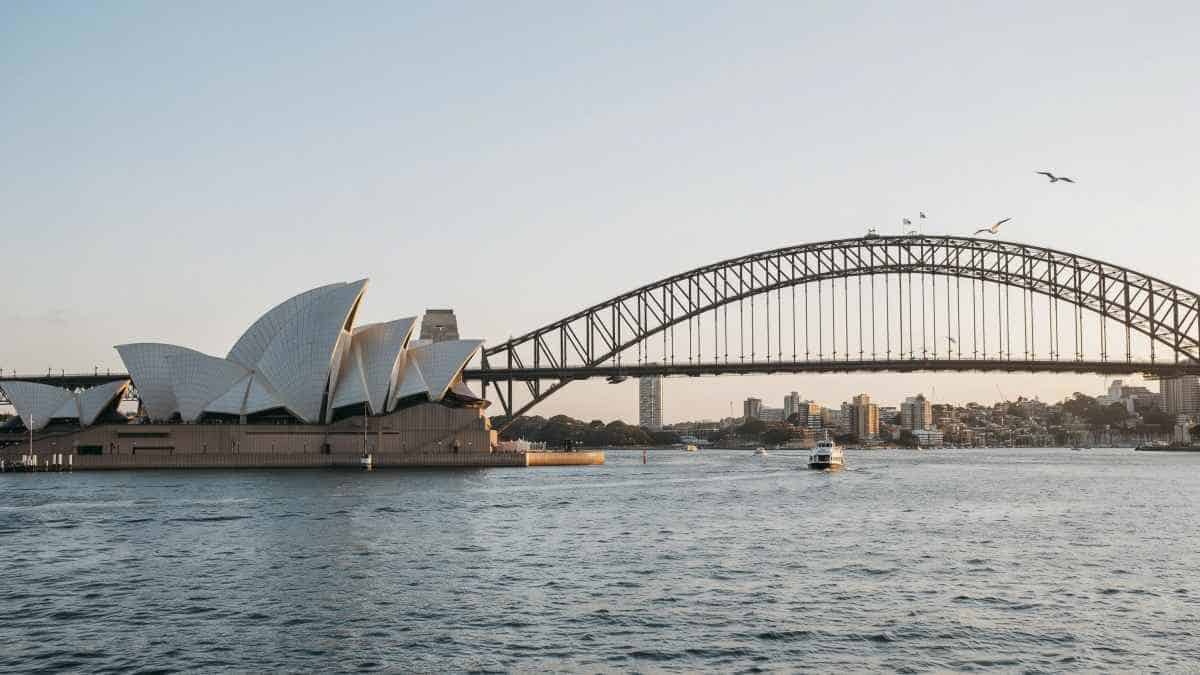
Sydney, Melbourne, Brisbane and Perth are among the destinations likely to feel the impact of Australia’s latest visa pricing changes after the Department of Home Affairs officially increased Visa Application Charges (VAC) across most visa categories. The new fee structure introduces a substantial 25% increase for many skilled, partner and temporary visa streams, while protection, humanitarian and selected student visas received smaller increases aligned with inflation, averaging around 2.6%.
The changes represent one of the most significant visa pricing adjustments in recent years and will affect a broad range of travellers, workers, students and migrants planning journeys to Australia. For tourism operators, airlines, educational institutions and businesses dependent on international mobility, the revised fee structure adds a new factor to travel and migration planning during 2026.
Australia Adjusts Visa Pricing Framework
The Department of Home Affairs introduced the revised charges as part of its ongoing management of immigration and border administration costs.
Visa Application Charges play a central role in funding visa processing systems, border management operations, digital infrastructure and immigration services. The latest changes affect multiple visa streams used by millions of applicants globally.
Advertisement
Advertisement
While not all visa categories experienced identical increases, the revised structure creates a noticeable distinction between economic migration pathways and humanitarian-focused programmes.
Skilled migration, temporary work visas and family-related applications received the most significant adjustments, while humanitarian and selected student categories were largely shielded from major increases.
Advertisement
Advertisement
Skilled Visa Applicants Face Largest Cost Increases
Among the most affected groups are skilled migration applicants.
Australia remains one of the world’s leading destinations for skilled professionals working in sectors such as healthcare, engineering, construction, information technology, education and mining.
Advertisement
Advertisement
The 25% increase applies across several major skilled migration pathways, raising the overall cost of pursuing long-term employment opportunities in Australia.
Despite higher application costs, demand for skilled migration remains strong due to Australia’s continued workforce shortages in critical sectors and its long-standing reputation as a preferred destination for international professionals.
For prospective migrants, however, the increased charges add another financial consideration alongside relocation expenses, accommodation costs and professional accreditation requirements.
Partner Visas Become More Expensive
Partner visa applicants are also among those facing higher application costs.
Advertisement
Advertisement
Australia’s partner visa programme enables spouses and long-term partners of Australian citizens, permanent residents and eligible New Zealand citizens to live together in the country.
The 25% increase affects applicants pursuing family reunification through these pathways.
Given that partner visas already rank among the most expensive family migration programmes globally, the latest increase further raises the financial commitment required for applicants and sponsors.
Family migration remains an important component of Australia’s immigration system, supporting long-term settlement and community growth across major metropolitan centres and regional areas.
Temporary Visa Streams Also Affected
Temporary visa categories have also experienced substantial fee increases.
These pathways are widely used by:
Advertisement
Advertisement
- Short-term workers
- Skilled contractors
- Business travellers
- Exchange programme participants
- Seasonal workers
- Visitors with extended stay requirements
Australia’s economy relies heavily on temporary international talent across industries including tourism, hospitality, agriculture, healthcare and construction.
The revised charges may influence budgeting decisions for both applicants and employers sponsoring overseas workers.
Student and Humanitarian Categories Receive Lower Increases
In contrast to the 25% adjustments affecting many visa streams, protection, humanitarian and selected student visas received more modest increases.
The approximately 2.6% rise broadly reflects inflation-linked adjustments rather than major structural pricing changes.
This approach allows Australia to maintain accessibility for individuals seeking humanitarian protection while helping ensure that education remains a competitive export sector.
International education continues to be one of Australia’s most valuable economic contributors, attracting students from Asia, Europe, the Middle East, Africa and the Americas.
Advertisement
Advertisement
Universities, vocational institutions and English-language providers closely monitor visa-related costs because affordability remains an important factor influencing student destination choices.
Tourism Industry Watches Developments
Although visitor visa changes were not the primary focus of the latest announcement, the broader travel industry is monitoring developments closely.
Australia’s tourism sector continues rebuilding international visitor volumes while competing with destinations across Asia, Europe and North America.
International travellers increasingly consider total trip costs when selecting destinations, including:
- Airfares
- Accommodation
- Travel insurance
- Entry requirements
- Visa fees
Industry stakeholders recognise that streamlined processing and clear visa pathways remain important components of destination competitiveness.
Migration Demand Remains Strong
Despite the higher charges, Australia continues to attract strong international interest.
Advertisement
Advertisement
The country’s appeal is supported by:
- High quality of life
- Strong labour market opportunities
- Internationally recognised universities
- Stable economy
- Natural attractions
- Diverse multicultural communities
Major cities such as Sydney, Melbourne, Brisbane and Perth remain key destinations for skilled migrants, students and long-term visitors.
The latest fee adjustments are therefore expected to influence costs rather than fundamentally alter Australia’s attractiveness as a destination.
Key Statistics
- Most skilled, partner and temporary visa categories received a 25% increase in Visa Application Charges.
- Protection, humanitarian and selected student visas increased by approximately 2.6%.
- Australia remains one of the world’s leading destinations for skilled migration and international education.
- Visa Application Charges help fund immigration and border management systems.
Chronological Tracker
Previous Years – Australia continues adjusting visa fees periodically to support immigration administration.
2025–2026 – International migration and travel demand remain strong across multiple visa categories.
2026 – Department of Home Affairs announces new Visa Application Charge increases.
Advertisement
Advertisement
Current Period – Revised fee structure takes effect across most visa streams.
FAQ
Which visa categories experienced the largest increase?
Most skilled, partner and temporary visa streams received a 25% increase in application charges.
Which visas received smaller increases?
Protection, humanitarian and selected student visas generally received inflation-linked increases of around 2.6%.
Will the changes affect tourism?
While the primary impact falls on migration and longer-stay visa categories, travel industry stakeholders continue monitoring how visa-related costs influence international travel decisions.
Conclusion
Australia’s latest Visa Application Charge adjustments mark a significant shift for applicants pursuing skilled migration, partner visas and temporary stay programmes. With increases of 25% across many major categories, the cost of accessing Australia’s immigration pathways has risen considerably. At the same time, the government has maintained lower inflation-linked increases for humanitarian and selected student visas. As Sydney, Melbourne, Brisbane and Perth continue attracting global talent, students and visitors, the revised fee structure becomes an important factor shaping travel, migration and education planning throughout 2026 and beyond.
Advertisement
