
Amsterdam Schiphol Among Other Significant European Airports, Confronts Border Bottlenecks as Passport Checks Trigger Hours of Waiting for Foreign Tourists

Published
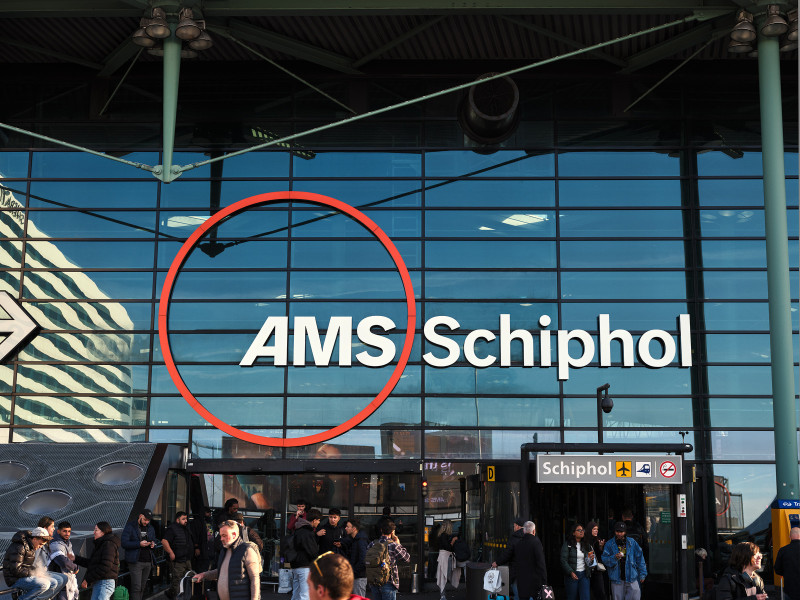
Europe’s busiest international airports are facing growing pressure over lengthy border-control queues, raising concerns for millions of travelers entering and leaving the Schengen Area. Airports in Germany, France, Spain, Italy, Portugal, and the Netherlands have experienced significant passport-processing delays following the introduction of the European Union’s Entry/Exit System (EES). Frankfurt, Amsterdam Schiphol, Munich, Milan Linate, and Nice Côte d’Azur are among the airports associated with documented congestion or operational warnings. European aviation organizations have reported waiting times exceeding two hours at affected border checkpoints, with extreme cases reaching five hours. The situation highlights continuing challenges involving biometric registration, border staffing, and airport infrastructure.
European Airports With Documented Border-Control Queue Warnings or Delays
| Airport | Country | Reported waiting time or warning | Evidence and date | Principal passenger impact |
|---|---|---|---|---|
| Frankfurt Airport (FRA) | Germany | Peak of 120 minutes in July 2026; explicit warning of longer border waits for non-EU passengers | Fraport warning, 29 September; Qsensor summer data | Longer processing at external Schengen borders, especially during concentrated international departures and arrivals |
| Amsterdam Airport Schiphol (AMS) | Netherlands | Peak of 120 minutes in summer data; additional warning of queues from technical problems | Schiphol notices, 14 August and 18 October; summer queue analysis | Congestion at arrivals, departures and transfer passport checks |
| Munich Airport (MUC) | Germany | Peak of 60 minutes, compared with 31 minutes previously | Qsensor data reported August 2026 | Longer waits for non-EU passengers, with connection-time implications |
| Milan Linate (LIN) | Italy | Hours-long queues; no independently verified airport-wide maximum in the evidence | Reported incident, 12 April 2026 | 122 passengers reportedly failed to board a Manchester-bound easyJet service |
| Nice Côte d’Azur (NCE) | France | Extensive queues photographed across a terminal; no verified duration | Airport industry reporting, early October 2026 | Congestion affecting international passengers and terminal circulation |
Why Are European Airports Experiencing Lengthy Border-Control Queues?
European airports are struggling with border-control congestion because the new Entry/Exit System has introduced additional processing requirements for eligible non-EU travelers. The system records passport information, facial images, fingerprints, and border-crossing details to strengthen immigration management across participating European countries.
Although EES is intended to modernize border security, its implementation has exposed operational challenges at several airports. Travelers registering for the first time may require additional processing, particularly when automated facilities are unavailable or demand exceeds checkpoint capacity.
The problem becomes more pronounced when multiple international flights arrive or depart within a short period. Border officers must process large groups of passengers while maintaining security procedures.
Advertisement
Advertisement
Airports Council International Europe and Airlines for Europe warned on October 12, 2026, that border-control waiting times were routinely exceeding two hours at affected locations. Extreme peak-period queues had reached five hours.
These figures represent conditions across affected airports rather than uniform waiting times at every European gateway.
Advertisement
Advertisement
Which European Airports Have Reported Significant Passport-Control Delays?
Several European airports have appeared in industry warnings, operational notices, and passenger reports concerning lengthy border checks.
Frankfurt Airport in Germany has documented extended processing times and issued passenger guidance concerning longer waits. Amsterdam Schiphol has experienced both EES-related congestion and technical disruptions affecting passport-control operations.
Munich Airport has also recorded increased waiting times during busy travel periods. In Italy, Milan Linate attracted attention after lengthy border queues reportedly contributed to passengers missing an international departure.
Nice Côte d’Azur Airport in France has been associated with substantial terminal congestion, while additional reports have highlighted problems at airports in Spain, Portugal, Greece, Poland, and Belgium.
However, the available evidence varies considerably. Some airports have issued direct operational warnings, while others appear in independent passenger surveys or airline industry assessments.
Consequently, the inclusion of an airport in a congestion report does not establish that lengthy queues are occurring there continuously.
Advertisement
Advertisement
How Are Frankfurt and Munich Airports Managing Border-Processing Pressure?
Germany’s major aviation gateways illustrate how biometric border registration can affect international airport operations.
Frankfurt Airport, one of Europe’s principal intercontinental hubs, issued guidance on September 29, 2026, warning passengers about potentially longer border-processing times during the autumn school holiday period.
Historical summer queue measurements indicated that peak waits at Frankfurt reached approximately 120 minutes.
Munich Airport also experienced increased border-processing times, with independent measurements identifying a peak of approximately 60 minutes, compared with an earlier figure of 31 minutes.
These findings suggest that the additional administrative requirements can create bottlenecks during concentrated international travel periods.
The consequences extend beyond passengers arriving in Germany. Travelers transferring between Schengen and non-Schengen flights may need to pass through immigration checkpoints before reaching their onward departures.
Advertisement
Advertisement
Airlines and airport operators therefore face additional pressure to manage passenger connections, provide accurate guidance, and coordinate staffing during periods of heightened demand.
Why Has Amsterdam Schiphol Become a Major Concern for International Travelers?
Amsterdam Airport Schiphol (AMS) has emerged as an important example of how border-control congestion can disrupt a major European connecting hub.
Summer 2026 queue measurements recorded peak passport-control waits of approximately 120 minutes. The airport subsequently published passenger guidance explaining the implications of EES processing.
On October 18, Schiphol also reported a technical malfunction affecting passport control. The disruption required manual checks and created the potential for longer queues among departing and transferring passengers.
This incident is significant because it demonstrates that lengthy immigration queues do not necessarily arise from biometric registration alone.
Technical failures can reduce processing capacity even when staffing and infrastructure are otherwise functioning normally.
Advertisement
Advertisement
Schiphol handles substantial international transfer traffic, making predictable border-processing times particularly important.
Passengers connecting between flights within and outside the Schengen Area may face additional uncertainty when passport-control operations slow down.
The airport’s experience highlights the importance of reliable technology alongside effective immigration procedures.
What Is Happening at Airports Across France, Italy, Spain, and Portugal?
Southern and Western European airports have also attracted attention because of border-control congestion affecting international tourism.
In Italy, Milan Linate experienced a widely reported incident in April 2026 when lengthy passport-control queues reportedly contributed to 122 passengers missing a Manchester-bound easyJet flight.
Nice Côte d’Azur Airport in France has been associated with extensive passenger queues during busy travel periods.
Advertisement
Advertisement
Spain has featured prominently in traveler complaints, particularly at Alicante, Málaga, Palma de Mallorca, and Tenerife South.
Portugal’s Lisbon Airport has also appeared in airline-reported congestion assessments, while France’s Paris Charles de Gaulle and Paris Beauvais airports have been mentioned in wider reports.
These airports serve significant international leisure markets, including large numbers of British travelers who are subject to EES requirements when eligible.
Seasonal demand can intensify the problem when several non-Schengen flights depart close together.
Nevertheless, individual waiting times vary according to staffing, passenger volumes, border-control arrangements, and the operational conditions on a particular day.
Which European Airports Have Been Identified in Passenger Complaints?
Consumer research has provided additional evidence of the airports where travelers have encountered frustrating border-control experiences.
Advertisement
Advertisement
In July 2026, consumer organization Which? examined passenger accounts and travel forums to identify airports frequently mentioned in complaints about EES departure queues.
Its findings highlighted Alicante, Amsterdam Schiphol, Berlin Brandenburg, Kraków, Lisbon, Málaga, Milan Bergamo, Milan Linate, Palma de Mallorca, Paris Beauvais, and Tenerife South.
The research offers an indication of where travelers have reported difficulties, although it does not establish a definitive ranking based on measured waiting times.
Complaints can also be influenced by passenger volumes, flight schedules, and the frequency with which particular airports are used by international visitors.
For travelers, the findings emphasize the importance of checking airport-specific advice rather than assuming that all European destinations have identical border procedures.
For airport operators, the complaints underline the need for clearer communication and more predictable processing during busy departure periods.
Advertisement
Advertisement
How Does the European Union Entry/Exit System Affect Non-EU Travelers?
The Entry/Exit System represents a substantial change in how participating European countries record short-stay border crossings.
Fully operational since April 10, 2026, EES replaces traditional passport stamping for covered travelers with digital records containing identity information, biometric data, and entry or exit details.
The system generally applies to eligible non-EU nationals traveling for short stays, including many visitors from the United Kingdom, United States, Canada, India, and Australia.
Travelers registering for the first time may need to provide facial images and fingerprints at the border.
Subsequent crossings can involve identity verification against existing records, potentially reducing the need for repeated registration.
However, not every non-EU national falls within the system. Certain residence-permit holders and other exempt categories are subject to different arrangements.
Advertisement
Advertisement
The system also concerns external Schengen border checks rather than routine airport security screening.
Understanding this distinction helps travelers identify where additional processing time may arise during their journeys.
Why Are European Aviation Organizations Demanding Urgent Improvements?
European aviation organizations have raised concerns that border-control congestion could undermine the passenger experience and place additional pressure on airport operations.
Airports Council International Europe and Airlines for Europe warned in October that structural problems affecting EES implementation required urgent attention.
Their concerns included insufficient border-police resources, technological limitations, and processing arrangements that could increase congestion during peak periods.
The organizations called for improvements to biometric verification, better coordination between national authorities, and greater operational flexibility when queues become excessive.
Advertisement
Advertisement
They also emphasized the importance of addressing unnecessary duplication in border procedures.
The underlying concern is that airport infrastructure and staffing must be capable of handling the volume of passengers arriving at international checkpoints.
Without adequate processing capacity, even relatively small increases in the time required for each traveler can create substantial queues.
The aviation industry argues that resolving these operational problems is essential for maintaining efficient international connectivity.
What Could Lengthy Border Queues Mean for European Tourism?
Prolonged passport-control queues could affect the competitiveness of European destinations if travelers begin associating international arrivals and departures with unpredictable delays.
Countries such as Spain, Italy, France, Portugal, and Greece depend heavily on international visitors supporting hotels, restaurants, attractions, transportation providers, and local businesses.
Advertisement
Advertisement
Lengthy immigration procedures can create frustration at the beginning or end of a holiday, potentially influencing travelers’ perceptions of the destination.
For passengers making connecting flights, extended queues can also increase the risk of missed departures and additional travel expenses.
However, the available evidence does not establish that EES congestion has caused a measurable Europe-wide decline in tourism demand.
The more immediate concern is operational reliability.
Tourism businesses benefit when travelers can move efficiently between airports, accommodations, and destinations.
Improving border-processing capacity could therefore support visitor satisfaction while helping European airports maintain their position as major international gateways.
Advertisement
Advertisement
What Should Travelers Do to Avoid Missing Flights Because of Border Queues?
International travelers should prepare for possible border-processing delays, particularly when departing the Schengen Area or making connections that require immigration checks.
Passengers should consult their departure airport’s official website before traveling and follow any specific advice concerning arrival times.
Airlines may also provide guidance about check-in deadlines, boarding requirements, and expected airport congestion.
Travelers making international connections should carefully review whether their itinerary requires crossing a Schengen border.
A short transfer may become difficult when passport-control queues are unusually long.
Passengers should also ensure that their travel documents meet the relevant entry requirements and allow sufficient time for biometric registration when necessary.
Advertisement
Advertisement
Arriving excessively early is not always beneficial because some airports restrict when passengers can enter check-in or security areas.
The most effective approach is to follow airport-specific recommendations, monitor operational updates, and avoid unnecessary delays before reaching passport control.
Will European Airport Border Queues Improve as the New System Develops?
The long-term effectiveness of EES will depend on whether European authorities can resolve the operational problems identified during implementation.
Digital border records could eventually support more efficient identity verification, particularly for travelers whose biometric information has already been registered.
However, improvements will require reliable technology, adequate staffing, sufficient checkpoint capacity, and effective coordination between airports and national border authorities.
The October warnings indicate that these requirements have not yet been met consistently across the affected airport network.
Advertisement
Advertisement
Airports experiencing significant international traffic may need additional operational resources during school holidays and other busy travel periods.
Authorities must also ensure that technical disruptions do not create prolonged interruptions to passport processing.
For travelers, the immediate priority remains access to accurate information about potential delays.
The success of Europe’s digital border system will ultimately be judged not only by security improvements but also by its ability to process legitimate international travelers efficiently.
What Is the Overall Outlook for European Airport Border Checks?
European airports are entering another important period of adjustment as aviation authorities work to address persistent passport-control congestion.
Frankfurt, Amsterdam Schiphol, Munich, Milan Linate, and Nice Côte d’Azur illustrate the operational challenges documented at individual airports, while wider passenger reports indicate concerns across several additional European destinations.
Advertisement
Advertisement
The most serious industry warnings describe waits exceeding two hours, with exceptional peak-period cases reaching five hours.
However, these figures should not be interpreted as current waiting times at every named airport.
The central problem involves the interaction between biometric registration, border staffing, technical reliability, and concentrated international passenger demand.
Addressing these issues will be essential for protecting passenger connections and maintaining confidence in European air travel.
For now, international travelers should remain attentive to airport guidance and allow appropriate time for immigration procedures.
Europe’s challenge is to ensure that stronger digital border controls can operate without creating unnecessary disruption for the millions of visitors who depend on its international airports.
Advertisement
Advertisement
Europe’s growing airport border congestion highlights the challenges of introducing biometric immigration procedures across major international travel hubs. The Entry/Exit System aims to strengthen security and modernize passenger processing, but technical limitations, staffing shortages, and heavy travel demand have contributed to prolonged queues. Industry organizations are urging authorities to improve operational efficiency and prevent further disruption. Although exceptional waiting times have reached five hours, conditions vary considerably between airports. Travelers should check official airport guidance, prepare for additional immigration processing, and allow sufficient connection time. Resolving these challenges will help protect tourism, improve passenger confidence, and maintain Europe’s international connectivity.
[Image: Amsterdam Schiphol Airport]
Advertisement
