
Croatia Joins Italy and Spain as Europe’s Rising Travel Destinations to Explore in 2027: All You Need to Know

Published
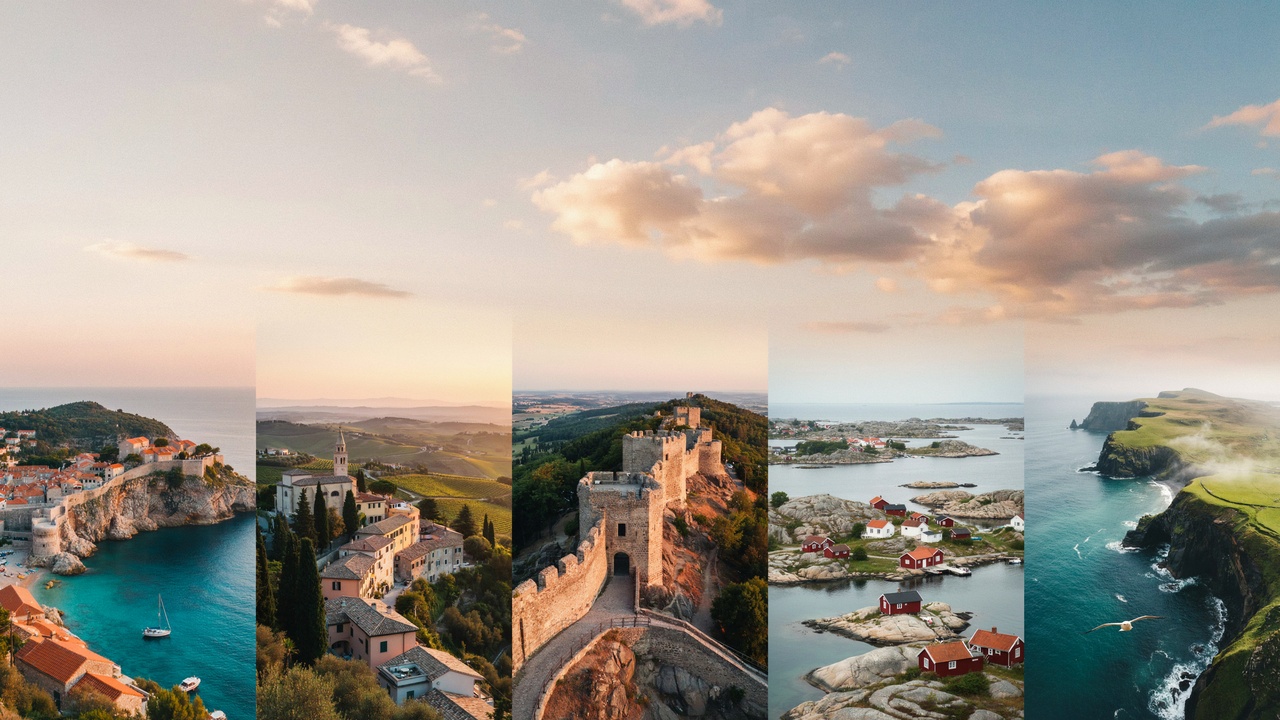
Europe is entering a new chapter of travel discovery in 2027, with smaller cities, cultural regions and nature-focused destinations expected to attract global travellers seeking authentic experiences beyond traditional tourist hotspots. A new wave of destinations is gaining attention for combining heritage, landscapes, local culture and slower travel experiences.
The latest travel trends highlight a shift away from only visiting Europe’s most famous capitals. Travellers are increasingly exploring lesser-known coastal towns, historic regions, scenic routes and immersive experiences that offer deeper connections with local communities.
Among the European destinations receiving international attention for 2027 are locations across Croatia, Italy, Spain, Sweden, Ireland and other countries, reflecting a growing demand for meaningful and diverse journeys.
| Destination | Country | Main Attraction For 2027 |
|---|---|---|
| Šibenik | Croatia | Historic coastal city, islands and cultural heritage |
| Veneto Region | Italy | Beyond Venice with mountains, lakes and historic towns |
| León | Spain | Medieval heritage, gastronomy and cultural tourism |
| Swedish Riviera | Sweden | Coastal landscapes and outdoor experiences |
| Killary Fjord | Ireland | Scenic nature and adventure tourism |
Why European travellers are searching beyond famous capitals in 2027
For decades, destinations such as Paris, Rome, Barcelona and Venice have dominated European travel. However, changing traveller preferences are creating new opportunities for regions that provide quieter experiences and stronger cultural connections.
Advertisement
Advertisement
Modern travellers are increasingly interested in destinations where they can experience local traditions, regional cuisine, natural landscapes and authentic communities.
Advertisement
Advertisement
This movement is encouraging European destinations to promote rural tourism, heritage conservation and sustainable visitor management.
The rise of alternative destinations also helps distribute tourism income beyond overcrowded cities. Smaller communities can benefit from accommodation businesses, local restaurants, transport services and cultural attractions.
Croatia’s Šibenik emerges as a Mediterranean destination to watch
Croatia’s coastal city of Šibenik is gaining attention as one of Europe’s notable destinations for 2027. Located along the Adriatic Sea, the city combines medieval architecture, historic fortresses and access to some of Croatia’s most scenic islands.
Advertisement
Advertisement
| Feature | Details |
|---|---|
| Country | Croatia |
| Region | Dalmatian Coast |
| Known For | Historic centre, fortresses, Adriatic coastline |
| Tourism Style | Cultural, coastal and island tourism |
Šibenik offers an alternative to some of Croatia’s busiest coastal destinations by providing historic charm alongside natural surroundings.
The city’s stone streets, waterfront setting and nearby national parks create opportunities for travellers interested in culture and outdoor exploration.
Advertisement
Advertisement
The wider Šibenik-Knin region has also invested in improving tourism infrastructure while promoting sustainable experiences.
Italy’s Veneto region attracts travellers beyond Venice
Italy’s Veneto region is expected to gain renewed interest as travellers look beyond Venice and discover the wider landscape surrounding one of Europe’s most famous cities.
The region combines art cities, mountain landscapes, lakes and historic villages.
| Location | Tourism Appeal |
|---|---|
| Verona | Roman history, architecture and cultural events |
| Padua | Historic buildings and religious heritage |
| Lake Garda | Outdoor activities and lakeside tourism |
| Dolomites | Mountain adventures and scenic landscapes |
| Venice | World-famous canals and heritage sites |
Rather than focusing only on Venice, travellers are increasingly exploring the wider Veneto experience.
The region offers opportunities for hiking, cycling, food tourism and cultural discovery.
Advertisement
Advertisement
The Dolomites provide dramatic mountain scenery, while Lake Garda attracts visitors looking for relaxation and outdoor activities.
Spain’s León gains recognition through heritage and local culture
Spain’s León is attracting attention as a destination combining history, architecture and gastronomy.
Located in northwestern Spain, León features medieval landmarks, traditional cuisine and important connections with the Camino de Santiago pilgrimage route.
| León Experience | Visitor Attraction |
|---|---|
| Historic centre | Medieval streets and architecture |
| León Cathedral | Gothic heritage |
| Camino de Santiago | Pilgrimage tourism |
| Local cuisine | Traditional Spanish gastronomy |
León represents a different side of Spain compared with heavily visited destinations such as Barcelona and Madrid.
The city provides travellers with cultural depth, historic surroundings and a slower pace of exploration.
Advertisement
Advertisement
Sweden’s Riviera highlights Europe’s coastal nature experiences
Sweden’s coastal regions are also gaining attention among travellers searching for outdoor experiences and peaceful landscapes.
The Swedish Riviera combines beaches, islands, maritime culture and natural scenery.
| Experience | Description |
|---|---|
| Coastal villages | Traditional Scandinavian communities |
| Beaches | Summer relaxation and nature escapes |
| Islands | Boat trips and outdoor activities |
| Local cuisine | Seafood and regional flavours |
The destination reflects a wider European travel movement towards nature-based tourism.
Visitors are increasingly choosing destinations where outdoor recreation and environmental awareness are central parts of the holiday experience.
Ireland’s Killary Fjord showcases adventure and natural beauty
Ireland’s Killary Fjord in County Galway has been recognised among Europe’s standout experiences for 2027. The destination offers dramatic landscapes, outdoor activities and a unique coastal environment.
Advertisement
Advertisement
| Attraction | Experience |
|---|---|
| Killary Fjord | Scenic waterway surrounded by mountains |
| Hiking routes | Outdoor exploration |
| Marine activities | Kayaking and boat experiences |
| Local communities | Traditional Irish culture |
The fjord provides travellers with an opportunity to experience Ireland’s natural beauty away from major urban centres.
Its combination of adventure, scenery and local culture makes it attractive for travellers seeking immersive journeys.
Sustainable and authentic tourism becomes Europe’s biggest 2027 travel trend
The destinations gaining attention for 2027 share several common characteristics.
They are not only focused on increasing visitor numbers but also on creating meaningful experiences.
Key trends shaping European travel include:
Advertisement
Advertisement
| Travel Trend | Impact |
|---|---|
| Slow travel | Longer stays and deeper exploration |
| Nature tourism | Growth of outdoor experiences |
| Heritage tourism | Increased interest in historic locations |
| Local experiences | Stronger connection with communities |
| Sustainable travel | Greater focus on responsible tourism |
These trends reflect a changing relationship between travellers and destinations.
Visitors are increasingly choosing places where they can understand local culture rather than simply photograph famous landmarks.
Europe’s 2027 tourism map expands beyond traditional hotspots
The rise of these destinations signals a broader transformation in European tourism.
Instead of concentrating travel demand in a small number of famous cities, visitors are exploring a wider range of regions.
This shift creates opportunities for smaller destinations to strengthen their tourism economies while protecting cultural and natural resources.
Advertisement
Advertisement
For travellers, it means Europe in 2027 will offer more choices, from Mediterranean towns and Alpine landscapes to historic cities and remote coastal experiences.
Frequently Asked Questions
1. Which European destinations are becoming popular for 2027?
Destinations gaining attention include Šibenik in Croatia, Veneto in Italy, León in Spain, Swedish coastal regions and Killary Fjord in Ireland.
2. Why are travellers choosing lesser-known European destinations?
Many travellers are looking for authentic culture, fewer crowds, local experiences and nature-based holidays.
3. Is Croatia still a major tourism destination in 2027?
Yes. Croatia continues attracting visitors with its Adriatic coastline, historic cities and island experiences.
4. Why should travellers visit Veneto beyond Venice?
Veneto offers mountains, lakes, historic towns, food experiences and cultural attractions beyond the famous canals of Venice.
Advertisement
Advertisement
5. What makes León different from Spain’s major cities?
León provides medieval heritage, pilgrimage routes, traditional cuisine and a quieter cultural experience.
6. What type of tourism is growing in Europe?
Nature tourism, cultural tourism, slow travel and sustainable experiences are among the fastest-growing segments.
7. Will Europe remain a top global travel destination in 2027?
Europe is expected to remain highly attractive because of its diversity of cultures, landscapes, history and travel connectivity.
Advertisement
