
Brazil Goes Along With Bolivia and More as Australia Issues New Travel Advisory Over Visa Rules and Safety Risks

Published
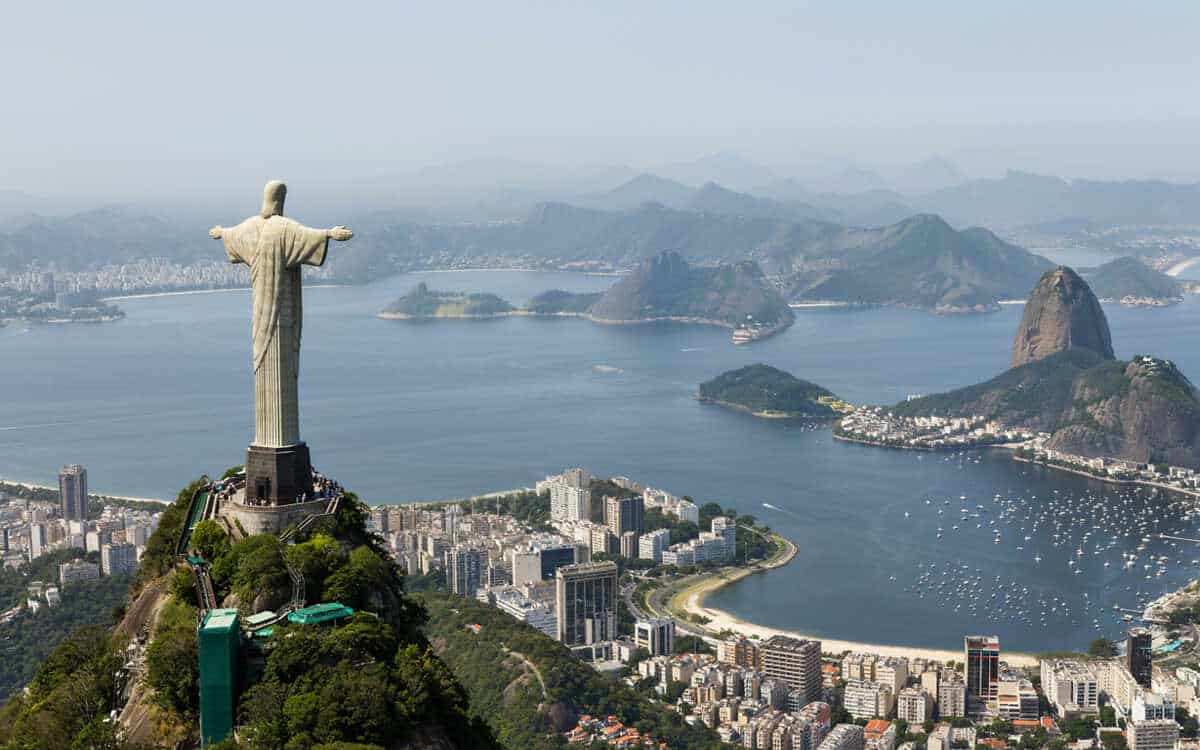
Australia issues a new travel advisory for Brazil, Bolivia and more over visa rules and safety risks.
Australia has issued new travel advice about Brazil, Bolivia, Kosovo and Thailand, including notes about visa requirements, security, regional restrictions and safety risks for foreign visitors.
The latest travel advisory places all four nations in the “exercise a high degree of caution” category, telling would-be visitors to be mindful of their surroundings, abide by local rules and regulations and stay up-to-date on the latest developments.
The updated guidance focuses on key travel considerations, including entry requirements, public security concerns, political tensions, transport disruptions and natural hazards. While Brazil’s advisory highlights urban crime risks and weather-related disruptions, Bolivia faces concerns linked to protests and regional security issues. Kosovo continues to experience tensions in some areas, while Thailand has introduced updated arrival procedures alongside border and weather warnings.
Advertisement
Advertisement
For travellers planning international journeys, understanding destination-specific conditions remains essential. Australia’s advisory encourages visitors to prepare carefully, confirm visa rules and monitor local developments before departure.
Brazil Travel Advisory Highlights Visa Rules, Crime Concerns and Weather Disruptions
Brazil remains a major global tourism destination, attracting visitors with its famous cities, natural landscapes, cultural attractions and international events. However, Australia’s latest travel advice highlights several safety considerations that travellers should understand before visiting the country.
Advertisement
Advertisement
The advisory notes that terrorism remains a worldwide concern and incidents could occur unexpectedly. Travellers are advised to remain alert in public places, especially in crowded areas, tourist locations and areas frequently visited by international visitors.
Violent crime, including robbery, mugging and carjacking, remains a significant concern in parts of Brazil. These incidents occur more frequently in large cities and during major events when large crowds gather.
Advertisement
Advertisement
Travellers are advised to avoid walking alone at night, stay away from isolated areas and remain cautious in unfamiliar locations. The advisory also highlights that crime levels can be particularly high in certain informal settlements, and visitors should avoid entering these areas.
Brazil Travel Safety Advice Covers Transport and Public Security Measures
Australia’s advisory also provides guidance on transport safety in Brazil.
Advertisement
Advertisement
Travellers using taxis are advised to choose official or prepaid taxi services and confirm payment details before completing transactions. Visitors using rideshare services should ensure that the vehicle details, including the registration number and driver information, match the details shown in the application.
Those travelling by car are advised to keep vehicle doors locked, windows closed and plan routes carefully. Avoiding unfamiliar areas and checking travel routes in advance can help reduce security risks.
Large-scale demonstrations and protests can also occur in Brazil. Travellers should monitor local news, avoid protest areas and follow instructions from local authorities during periods of unrest.
Brazil Visa Requirements Require Advance Travel Planning
Australia’s advisory highlights that travellers need a visa before entering Brazil.
Advertisement
Advertisement
Visitors cannot obtain a visa at airports or border entry points, meaning the application process must be completed before arrival.
Entry and exit rules may change with limited notice, so travellers are advised to confirm the latest requirements through official Brazilian diplomatic channels before travelling.
Additional requirements apply to Brazilian children, including dual nationals. Children travelling without one parent may require written permission from the non-accompanying parent before departing Brazil.
Brazil Weather Conditions Could Affect Travel Plans
Weather-related disruptions are another important consideration for travellers visiting Brazil.
The country’s wet season generally runs from November to July, although heavy rainfall can occur throughout the year depending on the region.
Severe storms, flooding and landslides may affect roads, transport services and flight schedules.
Advertisement
Advertisement
Travellers are advised to remain flexible, monitor weather updates and be prepared for possible changes to their travel plans.
Bolivia Travel Advisory Warns Travellers About Security Issues and Political Uncertainty
Bolivia is another destination included in Australia’s updated travel advisory, with visitors advised to exercise a high degree of caution.
The advisory highlights ongoing political and civil tensions across the country. Large demonstrations, roadblocks, protests and strikes may occur suddenly and could disrupt transport services.
Travellers are advised to avoid demonstrations, remain away from protest areas and follow instructions issued by local authorities.
Bolivia has also been under a state of emergency since June 2026 as authorities work to address security concerns.
Chapare Region Faces Additional Travel Warning
Australia advises travellers to reconsider their need to travel to the Chapare region in Cochabamba due to security concerns.
Advertisement
Advertisement
The advisory notes that some areas may have limited access to emergency assistance and travellers should carefully consider local conditions before visiting.
Visitors are encouraged to research destinations carefully and remain aware of changing circumstances when travelling within Bolivia.
Bolivia Highlights Theft, Kidnapping and Transport Safety Concerns
The advisory warns that petty theft can occur in tourist areas, buses and transport hubs.
Travellers are advised to remain alert around their belongings and be cautious in crowded locations.
Violent incidents affecting foreign visitors have also been reported, including robbery and assault.
Express kidnapping remains a concern in some areas. Travellers are advised to take precautions, avoid displaying valuables and remain cautious when using financial services.
Advertisement
Advertisement
Taxi safety is another important consideration. Australia advises visitors to use recognised taxi companies rather than stopping vehicles directly from the street.
Bolivia Entry Rules Include Passport Validity and Tourist Stay Conditions
Travellers visiting Bolivia for tourism do not need a visa.
However, passports must have at least six months of validity before entry.
Visitors are generally allowed to stay for 30 days, with extensions possible up to 90 days, which is the maximum permitted stay per year.
Travellers may need to provide proof of onward travel, such as a flight or bus ticket, along with accommodation details.
Yellow fever vaccination evidence is not always compulsory, but some entry points or airlines may request proof.
Advertisement
Advertisement
Kosovo Travel Advisory Highlights Protests, Border Concerns and Security Risks
Kosovo has also been included in Australia’s latest travel advice, with visitors advised to exercise a high degree of caution.
The advisory highlights that large gatherings can occur in Pristina and other urban centres. These events may lead to traffic disruptions, increased police presence and additional security measures.
Travellers should avoid protests and follow instructions issued by local authorities.
Northern Kosovo Remains an Area Requiring Extra Caution
Australia highlights that violent clashes have occurred in northern Kosovo.
Sudden security incidents, including firearm-related incidents, can happen in Mitrovica and other northern areas.
Two main security forces operate in Kosovo: the Kosovo Police Force and the Kosovo Force (KFOR), led by NATO.
Advertisement
Advertisement
Travellers are advised to remain aware of local developments and avoid areas affected by unrest.
The advisory also notes that terrorist groups may attempt attacks in Kosovo, requiring visitors to remain alert in public places.
Kosovo Visa Rules and Serbia Border Guidance
Tourists can enter Kosovo without a visa for stays of less than 90 days.
However, entry and exit conditions may change, and travellers should confirm requirements before departure.
Security conditions near the Kosovo-Serbia border remain unpredictable. Travellers should carefully plan border crossings and avoid attempting entry into Serbia from Kosovo unless they originally entered Kosovo from Serbia.
Thailand Travel Advisory Highlights Border Restrictions and New Arrival Requirements
Thailand remains one of Asia’s most visited destinations, but Australia’s updated advisory highlights several areas where travellers should exercise caution.
Advertisement
Advertisement
The advisory recommends avoiding areas within 10 kilometres of the Thailand-Cambodia land border in parts of Sa Kaeo, Buriram, Si Saket, Surin, Ubon Ratchathani, Chanthaburi and mainland Trat.
All border crossing points along the Thailand-Cambodia border are currently closed.
Travellers are advised to follow local authority instructions and monitor updates before visiting border regions.
Thailand Security Alerts Cover Southern Provinces and Public Safety
Australia advises travellers to reconsider their need to travel to Thailand’s southern provinces bordering Malaysia, including Yala, Pattani and Narathiwat, due to ongoing security concerns.
The advisory also highlights that security incidents can occur in popular tourist areas across Thailand.
Travellers should remain aware of their surroundings, follow official warnings and take appropriate precautions while exploring cities and tourist attractions.
Advertisement
Advertisement
Thailand Weather Risks May Affect Transport and Services
Thailand’s wet season runs from May to November and can bring heavy rainfall, flooding and landslides.
These conditions may affect flights, roads, electricity, transport networks and communication services.
Travellers are advised to check weather updates, avoid flooded areas and confirm travel arrangements with airlines or tour operators during severe weather periods.
Travel insurance covering weather-related disruptions is also recommended.
Thailand Digital Arrival Card Becomes Mandatory Before Travel
Thailand has introduced the Thailand Digital Arrival Card (TDAC) system for international visitors.
Travellers must complete the TDAC through the Thai Immigration Bureau website within three days before arriving in Thailand.
Advertisement
Advertisement
Visitors are warned to use only official channels and avoid unofficial websites claiming to provide the service.
Thailand continues to provide visa exemption options for eligible travellers visiting for tourism and short-term business purposes.
Passports must generally remain valid for more than six months before entering the country.
Thailand Airport and Domestic Travel Requirements
Australia’s advisory reminds travellers that Bangkok has two international airports: Suvarnabhumi Airport and Don Mueang Airport.
Visitors should confirm their departure airport before travelling to avoid confusion and missed flights.
Foreign passengers travelling on domestic flights within Thailand must carry their passports. Travellers without proper identification may face boarding issues.
Advertisement
Advertisement
Australia Urges Travellers to Review Visa Rules and Safety Conditions
Australia’s updated travel advisory covering Brazil, Bolivia, Kosovo and Thailand highlights the importance of preparation before international travel.
Each destination presents different considerations, from Brazil’s visa requirements and security concerns to Bolivia’s political tensions, Kosovo’s regional issues and Thailand’s border restrictions and arrival procedures.
Travellers are encouraged to confirm entry requirements, remain informed about local conditions and follow official guidance throughout their journey.
The update is provided as Australia outlines shifting entry requirements, security issues, regional tensions and travel disruptions, advising those who are planning on visiting to remain cautious and well informed prior to their departure.
Doing so enables visitors to make educated choices while they are abroad and are considering which countries to visit.
This should be done by researching visa requirements, safety updates and potential disruptions.
Advertisement
