

Mexico’s Oaxaca Valley Brings Mezcal Heritage and Culinary Travel Into Focus

Updated
Published
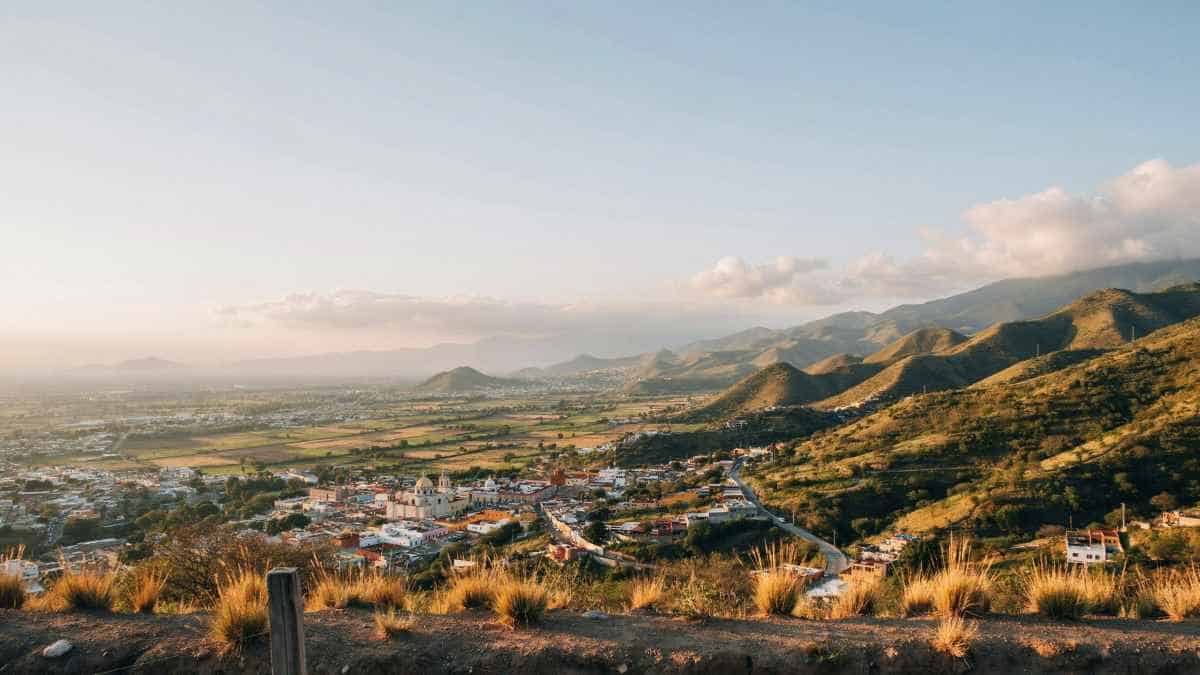
Oaxaca’s Central Valleys are drawing attention for a form of travel that places traditional food, agave cultivation and artisanal production at the centre of the visitor experience. In Santiago Matatlán, often associated with Mexico’s mezcal industry, the journey from agave field to palenque offers a closer look at the people and methods behind one of the country’s best-known spirits. The proposed Artisanal Mezcal Harvest & Palenque Distillation Window, dated September 29 to October 3, 2026, could not be independently verified as an official public event. However, Oaxaca’s established Ruta del Mezcal provides a documented tourism framework connecting distilleries, agricultural landscapes, local communities and regional gastronomy. The distinction is important. The proposed private tastings, agave leases and chartered culinary itineraries should not be treated as confirmed programme details, while the region’s mezcal-making traditions and visitor routes are established.
Santiago Matatlán Places Mezcal at the Heart of the Journey
Santiago Matatlán is one of the principal stops for travellers interested in artisanal mezcal. The town’s palenques offer opportunities to observe production, speak with makers and understand how different agave varieties influence the finished spirit.
Oaxaca’s official tourism guide describes the production process through the stages of harvesting mature agave, cooking its heart, crushing, fermentation and distillation. The process can take years before a plant is ready for harvest, making time an essential part of the product’s identity.
For visitors, a palenque visit is more than a tasting. It can reveal the relationship between land, family knowledge, local employment and the choices that shape the character of a particular mezcal.
Advertisement
Advertisement
The Palenque Experience Connects Craft With Landscape
The traditional production setting is often defined by earthen ovens, agave hearts and equipment used to extract and ferment the cooked plant. Some producers use a tahona, a large stone wheel, to crush the agave fibres.
Methods vary between producers and regions. Not every palenque uses the same equipment, and visitors should avoid assuming that a single production technique represents all Oaxaca mezcal.
Advertisement
Advertisement
The role of the maestro mezcalero is central. Experience informs decisions about cooking, fermentation and distillation, while the choice of agave and production method influences aroma, texture and flavour.
The proposed private distillery experience describes unreleased single-batch spirits. Such tastings may be offered by individual producers, but no confirmed event listing establishes them as part of a September 29–October 3 programme.
Advertisement
Advertisement
Agave Cultivation Gives the Route Its Agricultural Identity
The Ruta del Mezcal extends beyond Santiago Matatlán, linking communities including Santa María del Tule, San Jerónimo Tlacochahuaya, Teotitlán del Valle, Tlacolula de Matamoros and San Pablo Villa de Mitla.
The route gives visitors access to agave fields and production sites while also introducing the region’s architecture, textiles, markets and archaeological heritage.
Agave cultivation is a long-term agricultural commitment. The official tourism guide notes that some plants take more than eight years to mature, depending on the variety and growing conditions.
That timeline gives mezcal tourism a direct connection with land stewardship. Responsible visits should recognise the importance of mature plants, local knowledge and the communities whose livelihoods depend on production.
Advertisement
Advertisement
Oaxaca’s Food Culture Extends Beyond the Tasting Glass
The region’s culinary identity is closely connected with maize, chillies, herbs, vegetables, cacao and traditional cooking methods. Mole is among Oaxaca’s best-known dishes, with recipes and ingredients varying between communities and households.
The proposed pairing of mezcal with black mole reflects the region’s broader relationship between food and place. However, a specific private dining programme has not been verified.
Travellers can explore regional food through established restaurants, markets and community-based experiences. Tlacolula’s market, for example, provides a setting to encounter local produce, textiles and handmade goods.
For culinary visitors, the value lies in understanding how ingredients, preparation and local customs shape the meal, rather than treating regional cuisine as a luxury accessory.
Heritage Travel Is Reaching Beyond Mexico’s Urban Dining Scene
Oaxaca’s appeal fits a wider interest in travel experiences rooted in production, craft and regional identity. Instead of focusing only on restaurants in major cities, visitors can spend time with makers, explore agricultural landscapes and learn how products are connected to local communities.
The supplied concept suggests that wealthy culinary travellers are investing in private agave leases and chartered regional escapes. No reliable current figures were found to confirm the scale of these activities or establish them as a broad market trend.
Advertisement
Advertisement
There is, however, a clear tourism opportunity in connecting visitors with local producers through carefully managed experiences. Such activity can support guides, accommodation providers, restaurants and small businesses, provided that the benefits reach the communities involved.
Responsible Visits Matter to Mezcal Country
In light of increasing interest in artisanal production, visitors need to be sensitive to the work being done at distilleries and respect local culture. It is important for visitors to contact distillery owners regarding access arrangements, transport arrangements and other instructions concerning photography, production tours and tastings. There are also many opportunities for exploring historical sites and traditional arts and crafts along the rest of the way, making a more varied itinerary that is not limited to alcohol drinking. Mezcal tourism in Oaxaca needs to be sustained based on the relationship between agave, artisanal production, food and culture.
Advertisement
