
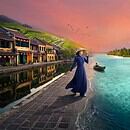
Image generated with Ai
Saudi Arabia is rapidly reshaping its global tourism identity as the Red Sea coastline undergoes one of the largest tourism development projects in the world, featuring more than 150 beaches and over 1,150 islands. The initiative forms a central pillar of the Kingdom’s Vision 2030 strategy, which aims to diversify the national economy, reduce dependence on oil, and establish Saudi Arabia as a leading global tourism destination.
According to official frameworks supported by the Saudi Red Sea Authority and Red Sea Global development plans, the project spans approximately 28,000 square kilometres along the western coastline between Umluj and Al Wajh in Tabuk Province. This region includes untouched coral reefs, volcanic landscapes, desert islands, and marine biodiversity zones that are being carefully developed under strict environmental protection standards.
Advertisement
Government tourism planning documents highlight the Red Sea project as a flagship example of regenerative tourism, where economic development is combined with long-term environmental conservation and sustainable travel infrastructure.
The Red Sea tourism project is a key component of Saudi Arabia’s Vision 2030 economic diversification strategy, designed to position the country as a global tourism powerhouse. According to national development frameworks, tourism is expected to become one of the largest contributors to non-oil GDP growth in the coming decade.
Advertisement
The Red Sea region has been identified as a strategic asset due to its natural marine ecosystems, pristine islands, and geographic location along major international travel routes connecting Europe, Asia, and Africa. Authorities are targeting high-value tourism segments, including luxury travel, eco-tourism, and adventure tourism.
Government tourism plans indicate that the project will significantly increase international visitor arrivals while creating thousands of jobs in hospitality, aviation, marine services, and infrastructure development.
The Red Sea coastline is one of the most environmentally diverse tourism zones in the world, featuring coral reef systems, mangrove forests, desert landscapes, and volcanic rock formations. According to Saudi Red Sea Authority data, the region includes over 1,150 islands, many of which remain untouched and are being preserved as part of conservation-focused development.
More than 150 beaches are being prepared for controlled tourism access, with strict environmental regulations ensuring protection of marine ecosystems. Large portions of the islands will remain undeveloped to maintain ecological balance and biodiversity.
Advertisement
Advertisement
This approach positions the Red Sea as one of the most ambitious sustainable tourism projects globally.

Image generated with Ai
The Red Sea development includes a large-scale infrastructure network designed to support luxury tourism and international accessibility. According to Red Sea Global project frameworks, the development includes approximately 50 luxury resorts and more than 8,000 hotel rooms across islands and mainland sites.
Key infrastructure projects include Shura Island, which serves as a central hospitality hub, and Sheybarah Island, known for its luxury overwater villas and eco-friendly design architecture.
The Red Sea International Airport is also a major component of the project, providing direct connectivity to global travel markets and supporting high-end tourism flows into the region.
Sustainability is a core principle of Saudi Arabia’s Red Sea project. According to government environmental frameworks, the development is designed to protect coral reefs, marine habitats, and coastal ecosystems while allowing carefully managed tourism expansion.
Environmental protection measures include marine conservation zones, restricted development areas, and eco-sensitive construction guidelines. These policies ensure that tourism growth does not compromise the natural environment.
The project aligns with global trends in regenerative tourism, where environmental restoration and tourism development operate together.
The Red Sea tourism region is being developed to offer a wide range of luxury and eco-tourism experiences. These include island resorts, diving in coral reef ecosystems, yacht tourism, desert excursions, and marine exploration activities.
According to tourism development frameworks, the region will also support cruise tourism, wellness travel, cultural experiences, and adventure-based tourism.
The combination of desert landscapes and marine environments makes the Red Sea one of the most diverse tourism destinations under development globally.
The Red Sea tourism initiative is a key pillar of Saudi Arabia’s Vision 2030 economic transformation strategy. According to national economic planning frameworks, tourism is expected to significantly contribute to GDP diversification and reduce dependence on oil revenues.
The project is projected to attract millions of international visitors annually, while generating substantial investment in infrastructure, hospitality, and transportation sectors.
It also strengthens Saudi Arabia’s position in the global tourism market, particularly in luxury and experiential travel segments.
Saudi Arabia’s Red Sea development represents one of the most ambitious tourism projects globally, transforming 150 beaches and over 1,150 islands into a structured luxury and eco-tourism destination.
Supported by Vision 2030 and national tourism frameworks, the project combines environmental conservation with large-scale tourism infrastructure development.
Ultimately, the Red Sea initiative positions Saudi Arabia as a rising global tourism leader, redefining its coastline as a major international destination for luxury travel, sustainability, and experiential tourism.
Advertisement
Advertisement
Advertisement











Tuesday, September 1, 2026

Tuesday, September 1, 2026
Tuesday, September 1, 2026

Tuesday, September 1, 2026
Tuesday, September 1, 2026
Tuesday, September 1, 2026
Tuesday, September 1, 2026

Tuesday, September 1, 2026



