
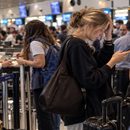
Image generated with Ai
The first half of 2026 brought an incredible transformation of tourism to Clark County, Nevada. Unaccompanied youth travel and onsite and independent travelers greatly impacted the hospitality and travel services offered in Las Vegas. Additionally, equilibrium in visitation across Las Vegas, Henderson and North Las Vegas, brought consumer activity disruptions due to various sporting events and residencies. As a result, more destination based and budget-friendly traveling methods, particularly road trips along the Interstate 15 (I-15) and budget off-Strip motels, became habits for both Millennials and Gen Z travelers. Ultimately, this mobility to hubs like Area 15 and the Arts District redefined the tourism net value in Southern Nevada.
What core overview metrics defined Clark County tourism performance across Las Vegas and Southern Nevada from January to July 2026?
Advertisement
The macro-economic indicators recorded across Clark County throughout the first seven months of 2026 highlighted a resilient yet fundamentally divided hospitality sector. Overall market occupancy ranged consistently between 76.5% and 84.8%, while the Average Daily Rate (ADR) across Las Vegas fluctuated from $165.00 to a peak of $238.40 in May, driven by major conventions. Conversely, budget hotels and off-Strip motels maintained an accessible rate band of $95.00 to $135.00 per night.
Ground and air transport volume across Southern Nevada mirrored this sustained regional movement throughout the year. The Nevada Department of Transportation registered daily auto traffic along Interstate 15 at the California border between 125,000 and 138,000 vehicles. Concurrently, Harry Reid International Airport processed between 4.3 million and 4.9 million passengers monthly, confirming robust ongoing accessibility for independent travelers visiting Nevada.
Advertisement
Advertisement
How did Gen Z and younger Millennials reshape youth travel dynamics across Las Vegas, Henderson, and North Las Vegas?
Demographic tracking from official visitor profile research showed that the median visitor age across Clark County moderated to 41–43 years old. Younger adults aged 21 to 34 generated 28% to 32% of total non-convention leisure visits, cementing youth travel as a primary driver. These younger demographics arrived in Las Vegas with distinct financial priorities, allocating less than 15% of their total trip budgets toward traditional casino table games or slot machines.
Rather than gambling, younger visitors directed their discretionary funds into live music festivals, creative culinary spaces, and interactive entertainment hubs. While mega-clubs on the Las Vegas Strip retained high-end clientele, Gen Z and Millennial visitors favored casual lounges, day-club pool parties, and cultural enclaves like the Downtown Las Vegas Arts District and Area15.
Why did independent travel and short booking windows dominate visitor mobility along the Interstate 15 corridor?
Advertisement
Advertisement
Free Independent Travel accounted for over 82% of total leisure arrivals across Clark County during this period. Vacationers increasingly favored self-booked, unbundled itineraries that provided complete flexibility and financial control. Faced with elevated domestic airfares, drive-in visitors from Southern California and Arizona relied heavily on automobile travel along Interstate 15.
Booking patterns adapted quickly, with average reservation lead-times for youth travel shrinking to 11–18 days prior to arrival. Upon reaching Las Vegas, visitors under 35 routinely utilized gig-economy rideshares and public transit options like the RTC Deuce bus route, deliberately avoiding resort parking surcharges and hidden property fees.
How did budget hotels and off-Strip motels in Downtown Las Vegas compare against luxury Strip resorts?
Lodging establishments situated along Fremont Street in Downtown Las Vegas, the Boulder Strip, North Las Vegas, and the Paradise corridor established distinct performance figures compared to mega-resorts. Luxury resorts on the Las Vegas Strip achieved occupancy rates of 82.0% to 88.5% with ADRs spanning $210.00 to $280.00.
In contrast, off-Strip motels and budget properties operated at 68.0% to 74.5% occupancy with competitive ADRs between $85.00 and $130.00. This pricing gap reflected strong consumer resistance against elevated resort fees. Meanwhile, properties near Fremont Street experienced weekend occupancy surges exceeding 85%, supported by walkable streetscapes and value-focused dining options.
What dynamic monthly trajectory did Clark County tourism record between January and July 2026?
Performance across Clark County evolved month by month throughout 2026. January and February recorded typical winter leisure lulls, holding average market ADRs around $186.00 to $187.00, while budget lodging achieved steady 72% occupancy.
Spring months saw an acceleration in youth travel, as Spring Break schedules and music festivals elevated daily traffic along Interstate 15 to 139,000 vehicles. May represented the peak period, reaching a market-wide ADR of $238.40 due to simultaneous conventions and sporting events. By June and July, high summer heat led budget-conscious visitors to seek mid-week discounts, dropping off-Strip rates to $90.00–$110.00 while maintaining drive-in volume.
What was the broader economic impact of travel and tourism on local infrastructure and Southern Nevada communities?
The full economic impact of travel and tourism extended beyond casino revenue into community infrastructure. Visitor spending supported hundreds of thousands of local hospitality, food service, retail, and transit jobs across Henderson, North Las Vegas, and Las Vegas. Lodging taxes directly funded public education, emergency services, and regional transit development under the Regional Transportation Commission of Southern Nevada.
As independent travelers shifted capital away from gambling toward off-Strip venues, economic benefits spread into local commercial neighborhoods. Suburban districts and the Downtown Las Vegas Arts District gained direct support from this diversification, fostering a broader regional economy less dependent on traditional casino gaming.
The Final Verdict
Older casino travel packages were becoming out of touch with the needs of younger travelers, as demographic changes in the consumer base began to disconnect with the initial intended audience, and civilizational shifts with newer generations began to alienate the older population. Small businesses that were concentrated out of the Vegas Strip were the happiest about the new changes, as younger travelers were more likely to be using Clark county means of transport other than the super expensive Strip.
Advertisement
Advertisement
Advertisement












Tuesday, September 1, 2026
Tuesday, September 1, 2026

Wednesday, September 2, 2026

Wednesday, September 2, 2026

Tuesday, September 1, 2026

Tuesday, September 1, 2026

Tuesday, September 1, 2026

Tuesday, September 1, 2026