
Norway Has High Potential to Be an Important Hub with Oslo and Major Other Places

Published
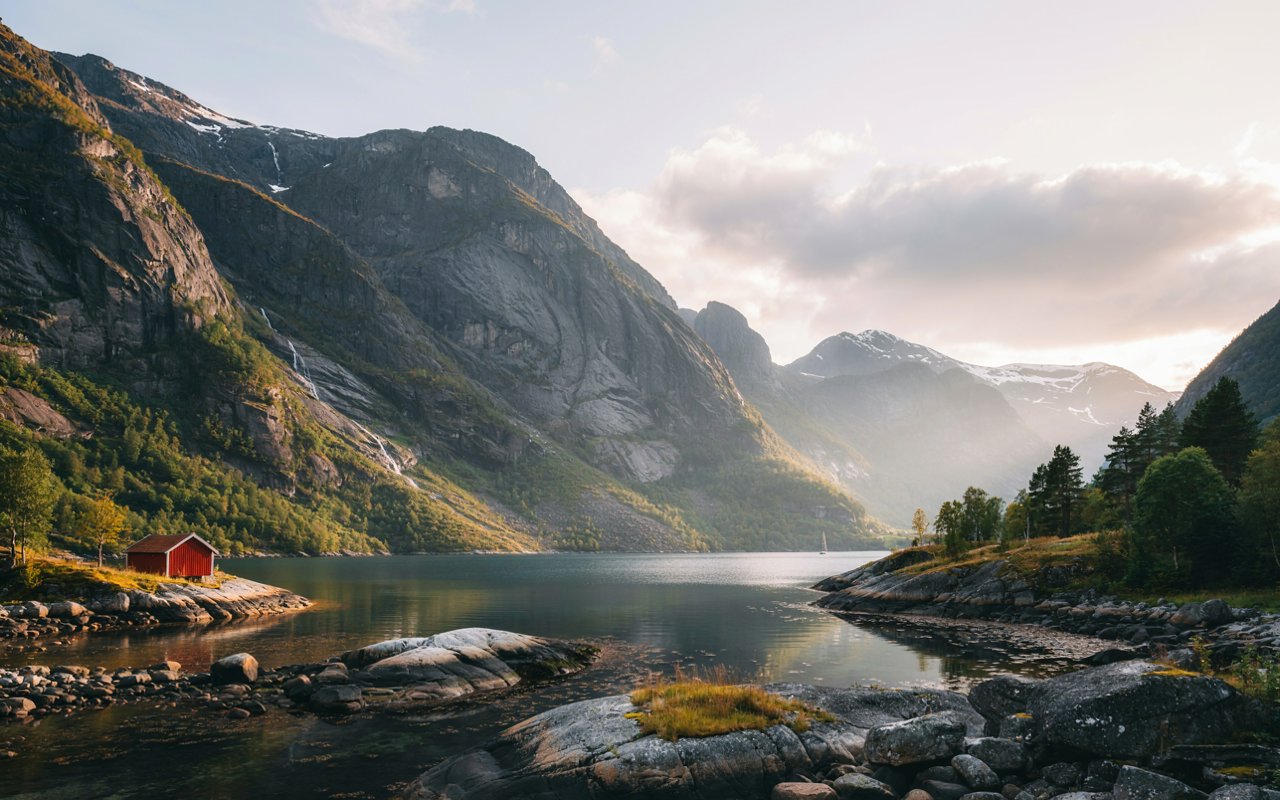
Image generated with Ai
Norway is expected to remain one of Europe’s most attractive nature and culture destinations in 2026, driven by demand for Arctic experiences, fjord landscapes, outdoor adventures, sustainable tourism and unique Nordic city breaks. Official tourism information highlights major destinations such as Oslo, Bergen and Stavanger alongside northern Arctic gateways including Tromsø and wider regions such as Lofoten and the North Cape.
Its spectacular fjords, Arctic adventures, cultural attractions and sustainable travel options are creating fresh opportunities. Visitors are increasingly searching for meaningful experiences beyond traditional holidays. Norway’s expanding infrastructure, diverse landscapes and unique seasonal attractions are strengthening its position in the international travel market. From vibrant cities to remote natural wonders, the nation is becoming a preferred choice for explorers seeking unforgettable Nordic experiences throughout the year.
Most Promising Norwegian Cities for Tourists in 2026: Top Destinations, Attractions, Travel Appeal and Growth Potential
| Norwegian City | Region | Why It Is Promising for 2026 Tourism | Main Attractions & Experiences | Best Travel Season | Key Tourist Markets / Appeal | Tourism Strength |
|---|---|---|---|---|---|---|
| Oslo | Eastern Norway | Norway’s capital continues to be the country’s major urban gateway, combining culture, museums, architecture, food and easy connections to other regions. Oslo has historically recorded one of the highest shares of overnight stays in Norway. | Viking heritage, MUNCH Museum, Oslo Opera House, waterfront areas, Royal Palace, fjord cruises, Nordic cuisine | May–September; winter for museums and Christmas atmosphere | International city-break travellers, cultural tourists, business visitors | Leading urban destination and gateway city |
| Bergen | Western Norway | Bergen remains one of Norway’s strongest tourism magnets because it combines historic charm with access to iconic fjords. Official tourism resources highlight Bergen as a key destination for exploring Fjord Norway. | Bryggen UNESCO area, Fløibanen viewpoint, Mount Fløyen, fjord cruises, seafood experiences | May–September; autumn for landscapes | Nature travellers, cruise passengers, European visitors | Best fjord gateway city |
| Tromsø | Northern Norway | Tromsø is expected to maintain strong demand as an Arctic tourism hub, especially among travellers seeking Northern Lights and winter adventures. (Heart My Backpack) | Northern Lights tours, Arctic Cathedral, whale watching, dog sledding, Sami culture, fjord excursions | October–March for Aurora; June–August for Midnight Sun | Adventure travellers, photographers, winter tourists | Top Arctic experience destination |
| Stavanger | Southwestern Norway | Stavanger combines coastal culture, culinary tourism and access to famous hiking destinations, strengthening its position as an adventure base. | Preikestolen (Pulpit Rock), Lysefjord, Old Stavanger, seafood, museums | May–September | Hikers, cruise travellers, outdoor tourists | Adventure and coastal tourism hub |
| Trondheim | Central Norway | Trondheim offers a slower-paced cultural alternative with medieval heritage, student culture and historic attractions. | Nidaros Cathedral, Old Town Bridge, Bakklandet district, food scene, cycling routes | May–September | History lovers, food travellers, domestic tourists | Heritage and lifestyle destination |
| Ålesund | Western Norway | Ålesund’s distinctive Art Nouveau architecture and fjord surroundings make it one of Norway’s most visually appealing cities. | Art Nouveau Centre, Aksla viewpoint, Atlantic Ocean Road access, fjord excursions | June–September | Photographers, cruise visitors, scenic travellers | Architecture and landscape destination |
| Bodø | Northern Norway | Bodø gained additional tourism attention as a northern gateway and cultural destination, especially for travellers exploring Arctic Norway. | Saltstraumen tidal current, museums, coastal landscapes, Lofoten connections | June–August; winter for Aurora | Adventure travellers, Arctic explorers | Emerging northern gateway |
| Kristiansand | Southern Norway | Known for family-friendly attractions and coastal experiences, Kristiansand offers a warmer maritime alternative. | Beaches, harbour area, Dyreparken zoo, islands, coastal activities | June–August | Families, domestic travellers, summer visitors | Family and coastal tourism hub |
| Lillehammer | Inland Eastern Norway | Lillehammer continues attracting visitors through Olympic heritage, outdoor activities and year-round recreation. | Olympic venues, museums, hiking, skiing, cultural attractions | Winter for skiing; summer for hiking | Sports tourists, families, active travellers | Sports and outdoor destination |
| Haugesund | Western Norway | Haugesund benefits from Viking heritage, coastal scenery and cultural events. | Viking history, coastline, festivals, nearby islands | Summer months | Cultural travellers, regional explorers | Heritage-focused coastal destination |
Why Is Oslo Expected to Remain Norway’s Leading Urban Destination in 2026?
Oslo is expected to continue its position as one of Norway’s most important tourism gateways in 2026 because it offers international connectivity, cultural attractions and easy access to wider Norwegian landscapes. The capital city provides a balance between modern urban experiences and traditional Nordic heritage, making it appealing to first-time visitors and returning travellers.
The city’s waterfront transformation, including areas such as the Oslo Fjord waterfront, has strengthened its appeal as a contemporary European destination. Visitors can explore world-class museums, architectural landmarks, green spaces and local food experiences within a compact urban environment.
Advertisement
Advertisement
Major attractions such as the MUNCH Museum, the Oslo Opera House, the Royal Palace and the Viking heritage collections continue to support cultural tourism. The city also benefits from its role as a transport hub, allowing travellers to combine a city stay with journeys towards fjords, mountains and northern regions.
In 2026, Oslo is likely to attract visitors interested in short city breaks, cultural exploration and sustainable urban tourism. The city’s growing reputation as a walkable and environmentally conscious destination adds further appeal among international travellers looking for responsible travel experiences.
Advertisement
Advertisement
How Will Bergen Strengthen Its Position as Norway’s Ultimate Fjord Gateway?
Bergen is expected to remain one of Norway’s most attractive destinations in 2026 due to its unique location between mountains, coastline and some of the country’s most famous fjords. Often considered the gateway to Fjord Norway, the city offers travellers direct access to dramatic natural landscapes while maintaining a rich cultural identity.
The historic Bryggen waterfront, recognised as a UNESCO World Heritage Site, remains one of Bergen’s biggest attractions. Its colourful wooden buildings, historic streets and maritime heritage create a distinctive atmosphere that attracts visitors throughout the year.
The city also serves as a starting point for fjord cruises and scenic journeys to destinations such as the Sognefjord and Hardangerfjord. Hiking opportunities around Mount Fløyen and Mount Ulriken provide additional experiences for outdoor travellers.
Bergen’s popularity is also supported by cruise tourism and its strong infrastructure for international visitors. In 2026, the city is expected to benefit from rising demand for nature-based travel, as tourists increasingly look for destinations where cultural experiences and outdoor adventures can be combined in one trip.
Why Is Tromsø Becoming One of the World’s Most Popular Arctic Travel Destinations?
Tromsø is expected to attract strong international interest in 2026 because it offers some of Norway’s most memorable Arctic experiences. Located above the Arctic Circle, the city has become a major destination for travellers seeking the Northern Lights, winter adventures and unique polar landscapes.
The Northern Lights remain Tromsø’s biggest tourism attraction, drawing visitors from Europe, North America and Asia during the winter season. The city’s location, combined with its developed tourism services, makes it one of the most accessible places in the world for Aurora viewing.
Advertisement
Advertisement
Beyond the lights, Tromsø offers whale watching, dog sledding, snow activities, Sami cultural experiences and Arctic wildlife encounters. During summer, the Midnight Sun creates opportunities for hiking, kayaking and outdoor exploration.
The city’s appeal reflects a wider global trend towards experiential tourism. Travellers are increasingly choosing destinations that provide rare natural experiences rather than traditional sightseeing alone.
In 2026, Tromsø is expected to remain a key destination for adventure travellers, photographers and visitors searching for once-in-a-lifetime Arctic experiences.
Why Could Stavanger Become One of Norway’s Biggest Adventure Tourism Hubs?
Stavanger is positioned for continued tourism growth in 2026 because it combines urban attractions with some of Norway’s most famous outdoor experiences. The city provides access to spectacular landscapes, including the internationally recognised Preikestolen, also known as Pulpit Rock.
The dramatic cliff overlooking Lysefjord attracts hikers from around the world. Its combination of challenging trails, panoramic views and natural scenery makes it one of Norway’s most photographed adventure locations.
Stavanger itself offers historic streets, coastal culture, seafood experiences and museums. The Old Stavanger district, with its traditional wooden houses, gives visitors a glimpse into the city’s heritage.
Advertisement
Advertisement
The destination has also developed a reputation for culinary tourism, supported by local seafood and Nordic food experiences. This combination of adventure, culture and gastronomy strengthens its position among international travellers.
In 2026, Stavanger is expected to benefit from increasing demand for active holidays. Many visitors are seeking destinations where they can combine outdoor activities with comfortable city stays, and Stavanger fits this travel pattern.
How Is Ålesund Attracting Tourists Through Architecture and Scenic Landscapes?
Ålesund is expected to gain further attention among travellers in 2026 because of its distinctive architecture and access to some of Norway’s most impressive coastal scenery. Located along the western coastline, the city offers a combination of historic charm and natural beauty.
The city is particularly famous for its Art Nouveau architecture, which developed after a major rebuilding period in the early twentieth century. The colourful buildings and detailed designs make Ålesund one of Norway’s most visually unique urban destinations.
Visitors can enjoy panoramic views from the Aksla viewpoint, explore museums and take boat trips through surrounding fjords. The city also provides access to attractions such as the Geirangerfjord region and coastal routes.
Ålesund’s appeal matches the growing demand for scenic destinations that offer photography opportunities, cultural experiences and outdoor exploration. In 2026, the city is expected to attract travellers who want a quieter alternative to Norway’s larger tourism centres while still experiencing iconic landscapes.
Advertisement
Advertisement
Why Are Trondheim and Lillehammer Gaining Attention Among Cultural and Outdoor Travellers?
Trondheim and Lillehammer represent Norway’s growing appeal beyond its most famous coastal and Arctic destinations. Both cities offer unique experiences connected to history, sports and outdoor activities.
Trondheim is known for its medieval heritage, especially the Nidaros Cathedral, one of Norway’s most important historical landmarks. The city combines traditional attractions with a modern food scene, cycling culture and a vibrant atmosphere influenced by its large student population.
Lillehammer attracts visitors through its Olympic heritage and year-round outdoor opportunities. The city gained international recognition after hosting the 1994 Winter Olympics and continues to attract skiing enthusiasts, families and adventure travellers.
Both destinations reflect a broader tourism shift towards authentic experiences. Travellers are increasingly interested in exploring smaller cities where they can experience local culture, landscapes and traditions.
In 2026, Trondheim and Lillehammer are expected to strengthen their positions as alternative destinations for visitors seeking deeper connections with Norwegian history and outdoor lifestyles.
How Are Northern and Coastal Cities Expanding Norway’s Tourism Appeal?
Cities such as Bodø, Kristiansand and Haugesund are contributing to Norway’s expanding tourism map by offering different experiences compared with the country’s traditional destinations.
Advertisement
Advertisement
Bodø has become an important gateway to Arctic landscapes and northern adventures. Its location provides access to dramatic coastlines, marine experiences and nearby regions such as the Lofoten Islands. The city is attracting travellers interested in exploring lesser-known parts of northern Norway.
Kristiansand offers a different tourism profile, focusing on family-friendly attractions, beaches and summer coastal experiences. Its relaxed atmosphere makes it popular among domestic and international holidaymakers.
Haugesund highlights Norway’s Viking heritage and maritime traditions. Cultural events, coastal landscapes and historical attractions support its tourism identity.
These destinations reflect Norway’s efforts to spread visitor demand across different regions. In 2026, travellers are expected to continue exploring beyond major cities as they search for more authentic and less crowded experiences.
What Tourism Trends Will Shape Norway’s Travel Industry in 2026?
Several major tourism trends are expected to influence Norway’s travel sector in 2026. Nature-based tourism will remain one of the strongest drivers as visitors continue searching for fjords, mountains, wildlife and Arctic experiences.
Sustainable travel will also play an important role. Norway’s reputation for environmental awareness, outdoor recreation and responsible tourism practices supports its appeal among environmentally conscious travellers.
Advertisement
Advertisement
Adventure tourism is expected to grow further, particularly in destinations such as Tromsø, Stavanger and Ålesund. Activities including hiking, wildlife tours, kayaking and winter experiences continue attracting international visitors.
Cultural tourism will remain significant in cities such as Oslo, Bergen and Trondheim, where museums, historic sites and local traditions provide year-round attractions.
The combination of nature, culture and sustainability positions Norway as a destination capable of attracting diverse traveller groups in 2026. From Arctic adventures to historic city breaks, Norwegian destinations are preparing for continued global interest.
Which Norwegian Cities Are Likely to Define Tourism in 2026?
Norway’s tourism landscape in 2026 will be shaped by a mix of internationally recognised cities and emerging destinations. Oslo, Bergen, Tromsø and Stavanger are expected to remain major attractions because of their accessibility, iconic experiences and strong tourism infrastructure.
At the same time, destinations such as Ålesund, Bodø, Trondheim and Lillehammer are gaining attention from travellers seeking authentic experiences away from traditional routes.
The future of Norwegian tourism is increasingly connected to personalised travel, outdoor exploration and meaningful cultural encounters. Visitors are no longer only looking for famous landmarks but also experiences that connect them with nature, history and local communities.
Advertisement
Advertisement
With its combination of fjords, Arctic landscapes, heritage cities and sustainable travel opportunities, Norway is positioned to remain one of Europe’s most attractive destinations for international tourists in 2026.
For tourists planning Norway trips in 2026, Oslo, Bergen, Tromsø and Stavanger are expected to remain the country’s strongest city destinations because they combine accessibility, iconic landscapes, cultural experiences and adventure opportunities. Smaller cities such as Ålesund, Bodø and Lillehammer are also gaining attention as travellers increasingly look beyond traditional routes for authentic Nordic experiences. Norway’s appeal in 2026 will continue to be shaped by its fjords, Arctic landscapes, heritage cities and sustainable outdoor tourism.
Norway’s growing tourism influence in 2026 is driven by strong demand for nature, culture and authentic experiences. The reason behind this expansion is the country’s ability to combine world-famous landscapes with modern travel facilities and diverse destinations. Oslo, Bergen, Tromsø and other cities are helping create a broader tourism network that attracts different traveller groups. The answer to Norway’s rising potential lies in its balance between urban attractions, Arctic adventures and sustainable exploration. As global visitors continue seeking distinctive journeys, Norway has the opportunity to strengthen its role as an important international travel destination.
Advertisement
