
Orange County Tourist Tax Revenue Hits New Records in 2025: The ‘Epic’ Surge and Spending Debate

Published
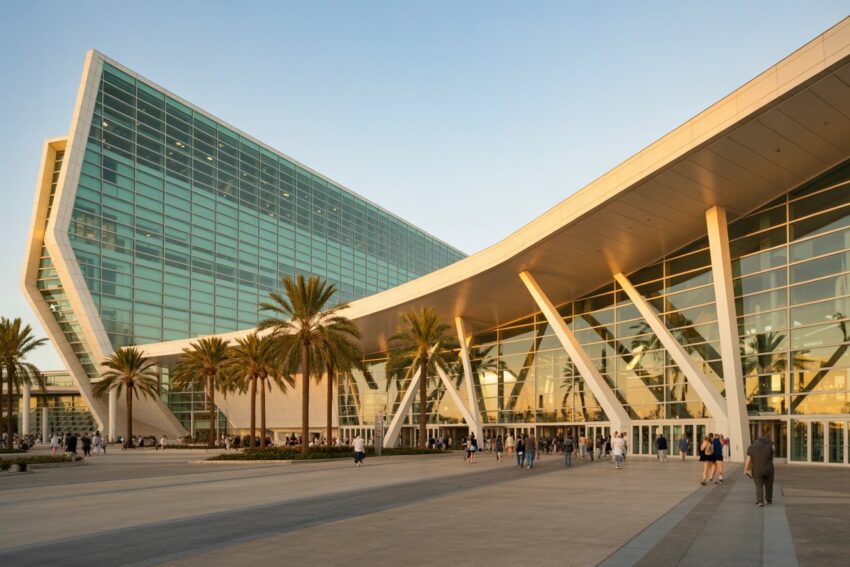 Image generated with Ai
The financial heartbeat of Central Florida is stronger than ever. Orange County’s tourism economy, driven by world-famous attractions and a booming convention industry, has once again delivered record-breaking Tourist Development Tax (TDT) revenue. The TDT, commonly known as the “bed tax” (a 6% tax on short-term accommodations like hotel stays and vacation rentals), has seen sustained, powerful growth throughout 2025.
This surge is not just a statistical anomaly; it reflects the region’s dominant position in global tourism, fueled by a successful combination of massive new attractions, a full calendar of major conventions, and an aggressive, TDT-funded marketing strategy. For Orange County residents, the conversation now pivots from how muchmoney is being generated to how this historic public fund is spent, particularly amidst a growing debate over infrastructure and community needs.
Advertisement
Advertisement
The Unstoppable Revenue Engine
The latest collections confirm the exceptional health of the local hospitality sector, shattering previous benchmarks:
- Sustained Record Breaks: Collections for the summer months of 2025 have consistently set new records for their respective months. For example, July 2025 collections of $29.57 million were an 11.1% increase compared to the previous year, securing the strongest July on record. Similarly, August 2025 collections of $25.65 million represented a 10.7% increase over August 2024.
- The Epic Universe Effect: The primary catalyst for this massive revenue jump is the grand opening of Universal Orlando’s Epic Universe in May 2025. The new park has attracted enormous crowds, directly translating into higher hotel occupancy rates (August 2025 saw a 2.5% increase to 63.9%) and higher average daily room rates (up 2.3% to $164.07 in August 2025). This massive investment in new entertainment capacity ensures the revenue stream remains robust for years to come.
- Convention Center Power: Beyond leisure travel, the Orange County Convention Center (OCCC)—the third largest in the nation—continues to play a critical role. Major events and conventions throughout the year, such as Coverings and the General Council of the Assemblies of God, contribute millions of dollars in short-term lodging revenue, smoothing out the seasonal dips typically associated with family tourism.
Orange County Comptroller Phil Diamond has consistently noted that these figures underscore the sustained momentum in the tourism sector, reflecting both high visitor volume and increased spending on accommodations.
Advertisement
Advertisement
Where the Money Goes: A Tight Legal Box
The Tourist Development Tax is a powerful economic engine, but its usage is strictly governed by Florida State Statute. This law dictates that TDT revenue can only be spent on specific tourism-related expenditures. Orange County’s 6% TDT is allocated across different “cents,” each with legally mandated purposes.
Major TDT Uses in Orange County:
Convention Center & Venues: A substantial portion of funds the Orange County Convention Center (OCCC)—for its operations, debt service, and major capital expansions, such as the Convention Way Grand Concourse project.TDT also pays the debt service for major local sports and cultural facilities like the Kia Center (home of the Orlando Magic), Camping World Stadium renovations, and the Dr. Phillips Center for the Performing Arts.
Advertisement
Advertisement
Tourism Promotion: A significant allocation, often over $100 million annually, goes to Visit Orlando, the destination marketing organization.15 This money is used for aggressive national and international advertising campaigns that keep Orlando at the top of travelers’ lists.16
Arts and Cultural Grants: Funding is allocated for the Arts & Cultural Affairs program and the Grant Application Review Committee (ARC), which supports smaller cultural organizations, museums, and events—a direct investment back into the local community’s quality of life that also serves tourists.17Projects recently approved for TDT funding also include a tower at the University of Central Florida (UCF) Football Stadium.
The fundamental purpose of the TDT is to attract tourists, with the understanding that the visitors’ money—not local property taxes—pays for the large-scale tourism infrastructure that benefits the entire region.
The Central Debate: Shifting the TDT Focus
The unprecedented influx of cash has intensified the perennial local debate over TDT use. Critics and some local officials argue that the restrictive state laws prevent the money from being used to address critical community needs that are strained by the sheer volume of tourists and hospitality workers:
- The Transportation Gap: The most passionate argument revolves around transportation infrastructure. Local leaders contend that the massive tourist volume leads to perpetual traffic congestion on major corridors like International Drive and local highways. Yet, TDT funds cannot legally be used for general roads, SunRail improvements, or transportation projects. Proposals, such as the concept of a “Tourist Transportation Tax” (TTT), have been raised to create a separate funding mechanism or change the state law to address this glaring need.
- The Affordable Housing Crisis: Despite tourism being the region’s largest employer, Orange County, like many tourist destinations, faces a severe affordable housing crisis. TDT cannot directly fund affordable housing projects, creating a moral tension where the economic engine drives up local costs but cannot fund the relief needed by its own workforce.
- Audit Scrutiny: Recent audits have also placed the spending of TDT funds by tourism promotion agencies like Visit Orlando under scrutiny, raising questions about accountability and the classification of certain expenditures, further fueling public interest in how this ‘public money’ is being managed.18
As Orange County continues to break revenue records, Mayor Jerry Demings has acknowledged the public’s desire for a broader benefit from the tax, famously establishing a Citizen Advisory Task Force for the first time in the tax’s 45-year history.19 This move signals a willingness to listen to the community, even if the state law limits immediate changes.
Ultimately, the TDT success story is a double-edged sword: it’s a sign of unparalleled economic health, but it forces a challenging conversation about how a tourist-funded tax can better serve the community that hosts the world.
Advertisement
