
Saudi Arabia Airport Attacks on Travel to Riyadh and Abha Trigger Global Alerts, Leaving International Tourists in a Highly Volatile Situation

Published
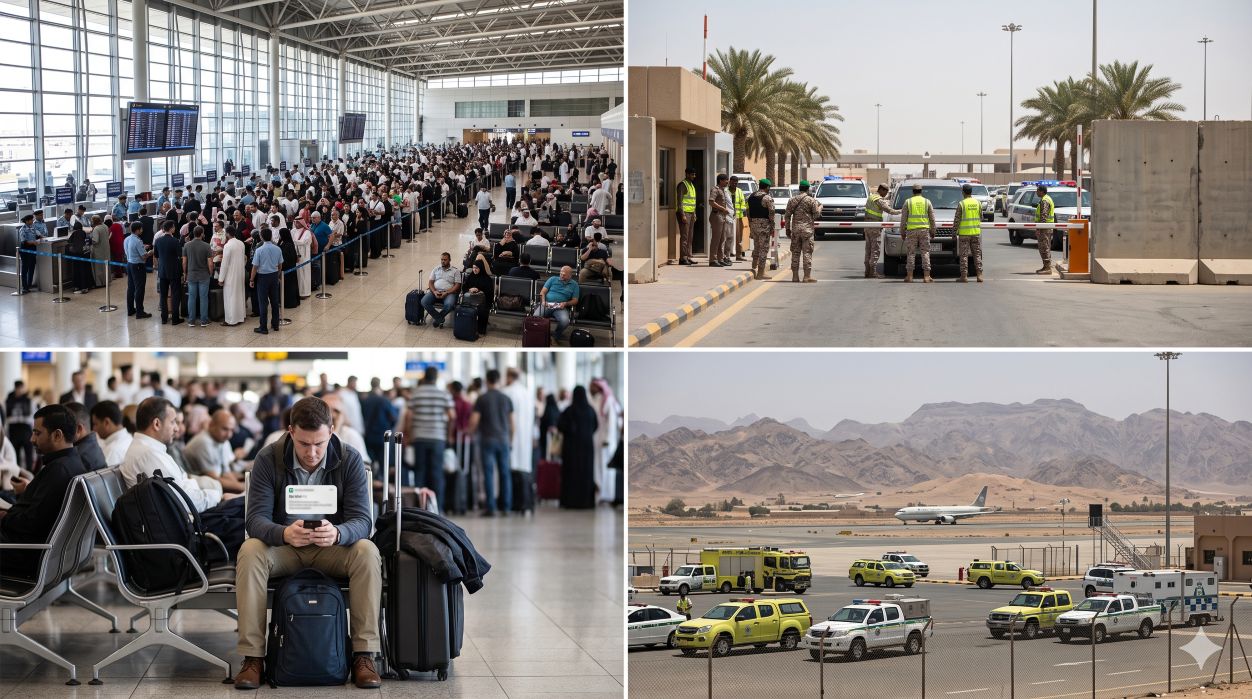
The impact of Saudi Arabia airport attacks on travel to Riyadh, Abha, and Jazan is severe. Global aviation authorities are issuing urgent warnings. Passengers face unprecedented disruptions across the Kingdom. Sovereign ministries confirm multiple coordinated strikes. Foreign affairs departments advise against regional transit. The situation remains highly volatile for international tourists.
Fatalities and Airport Casualties Confirmed
Official Saudi-led coalition sources confirm devastating casualty figures. Recent strikes targeted civilian aviation infrastructure. The attacks occurred between October 5 and 11. Reports state at least 19 people are dead. The strikes left 364 individuals injured. The coalition attributes these incidents to Houthi forces. Various regional airports suffered direct hits. Saudi civil aviation authorities are assessing infrastructure damage.
Incident Timeline and Locations:
- October 5 (Jazan): King Abdullah bin Abdulaziz International Airport attack injured three.
- October 6 (Abha): Abha International Airport strike caused two deaths and 28 injuries.
- October 7 (Riyadh): King Khalid International Airport hit left one dead, eight injured.
- October 8 (Riyadh): Another strike on King Khalid International Airport killed three. Five others were injured in this specific attack.
- October 10 (Riyadh): A major strike killed 13 people. This attack injured 309 individuals. The Saudi Ministry of Media released surveillance footage.
- October 11 (Riyadh): A subsequent attack caused one death and 11 injuries.
US Department of State Travel Advisory
The US government issued a strict directive. This official US Department of State travel advisory arrived on October 12. Officials urge American citizens to “Reconsider travel” entirely. The primary threat involves drone and missile targeting. Iranian-supported Houthis pose significant risks to civil aviation. The advisory highlights threats of armed conflict and terrorism. American tourists must monitor local security broadcasts closely. Embassy officials recommend establishing robust emergency contact plans.
Advertisement
Advertisement
Airport Use Restrictions Implemented
The US government enacted internal airport use restrictions. US government employees face new operational hurdles. Personnel require special authorisation before using Saudi airports. This mandate applies to all commercial transit hubs. The directive reflects elevated threat assessments from intelligence agencies. Diplomatic staff must seek Chief of Mission approval. Standard commercial air travel remains highly restricted for officials.
Global Government Aviation Warnings
Other sovereign nations have followed the American lead. The Federal Aviation Administration instructed US airlines cautiously. Carriers must exercise extreme care over Saudi airspace. The FAA warns of interference with aircraft navigation systems. Safety threats to commercial aviation remain remarkably high. Navigational disruptions pose severe risks to passenger jets.
Advertisement
Advertisement
International Travel Directives:
| Nation | Issuing Body | Advisory Level | Specific Restrictions |
| United States | Department of State | Level 3 (Reconsider Travel) | Special airport authorization for staff. |
| United Kingdom | FCDO | Advise against all travel | Do not travel within 10 km of Yemen border. |
| Australia | Department of Foreign Affairs | High degree of caution | Review all travel plans to Saudi Arabia. |
Foreign Commonwealth and Development Office Warnings
British authorities updated their regional security guidance. Foreign Commonwealth and Development Office warnings are explicit. The UK advises against all travel to border regions. This includes areas within 10 km of Yemen. The FCDO cites ongoing missile and drone threats. British nationals in Riyadh must remain extremely vigilant. Consular support may be limited during active security incidents.
Yemen Border Region Travel Restrictions
The southern border faces the most severe restrictions. A strict “Do Not Travel” warning blankets this area. This applies heavily to the Yemen border region. US government employees cannot travel within 20 miles. Armed groups continuously launch drone and rocket attacks. These hostile actions target border towns and infrastructure. The Level 4 advisory reflects immediate, life-threatening danger. Civilians must avoid the southern provinces entirely.
Immigration and Legal Repercussions
Sudden flight cancellations impact visa validates. Foreigners risk unintentional overstaying due to grounded flights. Saudi immigration authorities have not announced blanket visa extensions. Travellers must contact the General Directorate of Passports immediately. Overstay liabilities can incur heavy financial penalties. Border systems remain strained by abrupt schedule changes. Embassies urge citizens to document all travel delays. Retaining electronic evidence of cancellations is vital.
Passenger Rights and Airline Liabilities
Travellers face immense logistical hurdles during this crisis. Understanding passenger rights and airline liabilities is essential. The Saudi General Authority of Civil Aviation regulates compensation. Airlines must provide duty of care during security delays. This includes mandatory meals and hotel accommodations. However, acts of war often trigger “extraordinary circumstances” clauses. Airlines may legally refuse monetary compensation for disrupted schedules. Passengers must consult their carrier’s specific carriage terms. Comprehensive travel insurance is an absolute necessity right now.
Rerouting and Transit Bottlenecks
King Khalid International Airport disruptions cascade globally. Rerouting passengers takes significant time and resources. Transit bottlenecks are forming in neighbouring Gulf hubs. Doha and Dubai airports report increased transit volumes. Accommodation near major Saudi airports is severely strained. Hotels in Riyadh report near-total occupancy levels. Stranded passengers struggle to secure immediate alternative lodgings. Multilateral tourism bodies monitor the humanitarian impact closely.
Advertisement
Advertisement
Commercial Impact on Regional Tourism
The attacks severely threaten Saudi Arabia’s tourism ambitions. UN Tourism representatives express deep concern regarding regional stability. The WTTC notes potential long-term reputational damage. Saudi Arabia heavily promotes its Vision 2030 tourism initiatives. Frequent airport attacks deter high-value international tourists. Regional tourism corridors face immediate economic contraction. Travel agents are actively rerouting clients away from Riyadh. Foreign investment in hospitality infrastructure may stall temporarily.
Final Takeaway on Saudi Travel
Aviation authorities demand strict adherence to emergency protocols. Passengers must prioritise personal safety above all itineraries. Commercial flights continue, but schedule integrity is non-existent. Always monitor official embassy alerts before airport departure. Keep emergency consular numbers saved on mobile devices. Ultimately, the profound impact of Saudi Arabia airport attacks on travel demands extreme caution from all international visitors.
Advertisement
