
Leeds Alongside York, Sheffield, Bradford, Manchester and More Reveal Growing Rail Security Challenges Across Yorkshire and Northern England

Published
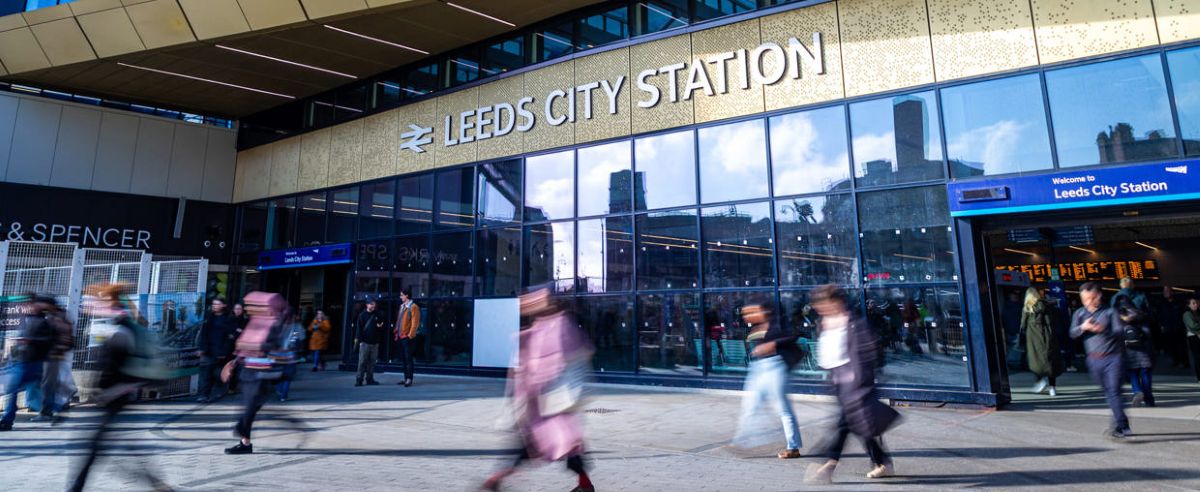
Image Credit: West Yorks
Yorkshire’s railway network remains a vital connection for commuters, tourists and businesses, but several major corridors continue facing challenges linked to trespassing, vandalism and theft from railway infrastructure.
Advertisement
Advertisement
Routes connecting Leeds, York, Sheffield, Bradford, Huddersfield, Doncaster and Manchester carry thousands of passengers daily, making railway security a major operational priority.
British Transport Police (BTP) and Network Rail classify incidents such as trespass and vandalism affecting railway operations as route crime. These incidents can cause delays, require emergency inspections and create risks for passengers, railway workers and offenders.
Advertisement
Advertisement
However, there is no official public ranking from BTP, Network Rail or the Office of Rail and Road confirming one Yorkshire route as the UK’s worst for railway crime. Instead, several important corridors experience different safety challenges due to their size, passenger numbers and infrastructure complexity.
Which Yorkshire rail routes experience the highest operational risks?
Yorkshire contains several important railway corridors where protecting infrastructure and maintaining reliable services are ongoing priorities.
Advertisement
Advertisement
| Railway route | Main locations | Operational concern |
|---|---|---|
| East Coast Main Line | York, Leeds, Doncaster, Wakefield | Trespass, infrastructure security and delays |
| TransPennine Route | Leeds, Huddersfield, Manchester | Trespass incidents and disruption |
| Calder Valley Line | Leeds, Bradford, Halifax, Manchester | Equipment damage and service interruptions |
| Harrogate Line | Leeds, Harrogate, York | Anti-social behaviour and trespass risks |
| Airedale Line | Leeds, Shipley, Skipton | Local infrastructure protection |
| Sheffield–Leeds Corridor | Sheffield, Barnsley, Leeds | Property damage and operational impact |
The East Coast Main Line is particularly important because it connects Yorkshire with London, the North East and Scotland.
The TransPennine route also carries significant commuter and leisure traffic, linking major employment centres across northern England.
Because these routes combine busy passenger services with complex infrastructure, incidents can create wider effects beyond the immediate location.
How can railway cable theft disrupt passengers?
Railway infrastructure depends on thousands of components working together, including signalling equipment, communication systems and power systems.
Cable theft is particularly disruptive because railway cables often support safety-critical functions.
A stolen or damaged cable can affect:
Advertisement
Advertisement
| Infrastructure affected | Passenger impact |
|---|---|
| Signalling cables | Signal failures and delays |
| Communication systems | Operational restrictions |
| Power equipment | Service disruption |
| Trackside technology | Safety inspections |
Historically, British Transport Police and Network Rail have worked together against metal theft because stolen copper cables can disable signalling and safety equipment. Operations such as Operation Tremor targeted theft affecting railway infrastructure.
Modern rail networks are also moving towards improved monitoring systems, including smarter asset tracking and upgraded signalling technology, to reduce vulnerabilities.
For passengers, the impact is usually seen through delayed trains, altered services or longer waiting times.
Why does trespassing create major safety concerns on Yorkshire railways?
Trespassing remains one of the most serious railway safety risks because trains operate at high speeds and require significant stopping distances.
When a person is reported on railway property, operators may need to:
- reduce train speeds;
- stop services temporarily;
- inspect sections of track;
- coordinate emergency responses.
Trespassing can affect both passenger safety and railway reliability.
Advertisement
Advertisement
British Transport Police and Network Rail regularly encourage the public to avoid railway areas and report suspicious behaviour.
For passengers, a trespass incident may appear as a sudden delay announcement, but behind the scenes railway teams may need to carry out safety checks before services can resume.
How does vandalism affect Yorkshire train services?
Vandalism creates financial costs and operational challenges for railway operators.
Common forms include graffiti, damage to stations and damage to trains or railway equipment.
| Type of vandalism | Operational consequence |
|---|---|
| Graffiti | Cleaning costs and reduced passenger experience |
| Damaged equipment | Repairs and inspections |
| Station damage | Maintenance requirements |
| Train damage | Potential service disruption |
Graffiti alone has historically created millions of pounds in direct costs for rail operators, requiring significant resources for removal and prevention.
For passengers, vandalism can affect the appearance of stations and trains, while more serious damage can influence service reliability.
Advertisement
Advertisement
How are Network Rail and British Transport Police improving railway security?
Railway safety relies on cooperation between infrastructure managers, police forces and train operators.
Current approaches include:
| Security measure | Purpose |
|---|---|
| CCTV monitoring | Detect suspicious activity |
| Police patrols | Prevent and investigate offences |
| Trackside technology | Protect infrastructure |
| Public reporting systems | Improve response times |
| Community campaigns | Reduce unsafe behaviour |
British Transport Police provides a dedicated reporting service through 61016, allowing passengers and railway users to send text reports about non-emergency incidents, suspicious activity and anti-social behaviour. Wikipedia
The service operates alongside other reporting channels and helps police gather information from passengers and staff.
How could railway crime affect tourism in Yorkshire?
Yorkshire’s rail network supports tourism by connecting visitors with some of England’s most popular destinations.
Rail access supports travel to:
Advertisement
Advertisement
| Destination | Tourism importance |
|---|---|
| York | Historic attractions and heritage tourism |
| Leeds | Culture, shopping and events |
| Sheffield | Outdoor tourism and city experiences |
| Harrogate | Spa tourism and countryside access |
| North Yorkshire | Rural attractions and scenic travel |
Disruptions can affect:
- sightseeing schedules;
- hotel check-in times;
- business meetings;
- family journeys.
Reliable rail services are particularly important for visitors who plan trips around fixed timetables.
What should passengers do if they notice suspicious activity?
Passengers can support railway safety by reporting concerns quickly.
Useful actions include:
| Situation | Action |
|---|---|
| Suspicious activity | Contact BTP through 61016 |
| Emergency situation | Call emergency services |
| Travel disruption | Check operator updates |
| Unsafe behaviour | Avoid confrontation |
The 61016 service provides a discreet way for passengers to report non-emergency concerns directly to British Transport Police.
Passengers should never enter railway areas themselves or attempt to intervene.
Advertisement
Advertisement
What does the future of Yorkshire railway safety look like?
Yorkshire’s railway network will remain essential for sustainable travel, regional connectivity and tourism.
As passenger demand grows, protecting infrastructure will require continued investment in:
- smarter monitoring technology;
- stronger security systems;
- public awareness;
- police cooperation.
The challenge is not limited to one route. Major corridors such as the East Coast Main Line, TransPennine route and Calder Valley Line all require continuous safety management because they connect large communities and support important economic activity.
For travellers, the priority remains simple: safe, reliable and predictable journeys across Yorkshire and the wider UK rail network.
Comment from Anup Keshan, Founder and Editor-in-Chief of Travel And Tour World
“Railways are more than transport networks; they are essential links connecting communities, businesses and tourism destinations. Protecting railway infrastructure is therefore critical for maintaining passenger confidence and supporting regional travel. Challenges such as trespassing, vandalism and theft demonstrate why cooperation between authorities, operators and passengers remains important. As Yorkshire continues attracting visitors and supporting sustainable travel growth, investment in railway safety and reliability will play a key role in shaping the future of mobility. A secure railway network creates stronger connections and ensures travellers can explore destinations with confidence.”
— Anup Keshan, Founder and Editor-in-Chief, Travel And Tour World
Advertisement
Advertisement
Image Credit: West Yorks
Advertisement
