
France Partners With Italy, Sweden, Japan, Thailand and More as 2026 Skillcation Travel Boom Transforms Global Tourism With Millions Seeking Learning Escapes, Artisan Workshops, Regional Cuisine, Wellness Journeys and Deep Cultural Connections

Published
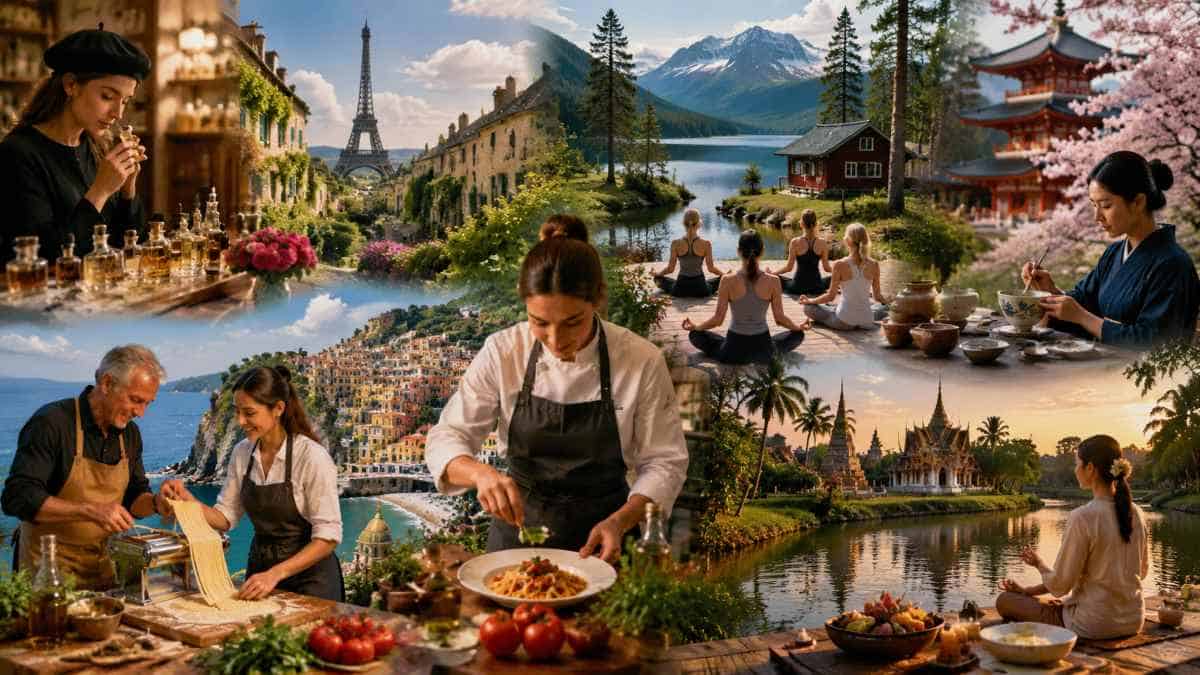
Image generated with Ai
The global tourism landscape is entering a powerful new phase in 2026 as travellers increasingly choose skill-based journeys over traditional sightseeing holidays, pushing France, Italy, Sweden, Japan, Thailand and more destinations into the centre of the rapidly expanding skillcation travel boom. This transformation is happening because millions of visitors are searching for deeper experiences that combine learning, creativity, cultural discovery and personal growth rather than simply collecting photographs or souvenirs. From perfume-making and culinary education in France to artisan workshops in Italy, sustainable nature experiences in Sweden, traditional craftsmanship in Japan and wellness journeys in Thailand, travellers are seeking meaningful escapes that create lasting memories and practical skills. The rise of these learning escapes is also strengthening global tourism by supporting local artisans, regional producers, small businesses and rural communities. As demand grows for authentic cultural connections, immersive activities and personalised holidays, the skillcation movement is reshaping how destinations attract visitors, diversify tourism economies and create experiences that connect people with local traditions, heritage and lifestyles.
Skillcation Travel Becomes One of the Biggest Tourism Trends of 2026 as Travellers Search for Meaning Beyond Sightseeing
The global tourism industry is experiencing a major transformation as travellers increasingly prioritise experiences over material purchases. The concept of a holiday is changing from a short escape into an opportunity for personal development.
Advertisement
Advertisement
The latest Mastercard research reveals that:
| Travel Trend | Latest Data |
|---|---|
| European travellers planning skill-based holidays | 48% |
| Travellers who believe learning makes travel more fulfilling | 51% |
| Travellers who value skills as better souvenirs than physical items | 48% |
| Travellers willing to pay more for learning experiences | 42% |
This new generation of travellers is looking for deeper engagement with destinations. Instead of simply visiting a historic city, tourists want to understand how local products are created, how traditional dishes are prepared and how cultural practices have survived through generations.
Advertisement
Advertisement
A cooking lesson in Italy, a perfume workshop in France, a craft experience in Japan, a wilderness programme in Sweden or a wellness retreat in Thailand is no longer considered an additional holiday activity. These experiences are becoming the main reason people choose a destination.
The growth of skill-based travel also reflects changing consumer priorities after years of fast-paced digital lifestyles. Many travellers now want slower journeys that allow them to disconnect, focus on creativity and build real connections.
Advertisement
Advertisement
Gen Z and Millennials Lead the Global Shift Towards Learning Holidays and Micro-Hobby Travel
Younger travellers are driving the skillcation movement faster than any other generation. Generation Z and younger Millennials are increasingly designing holidays around personal interests, hobbies and specialised learning goals.
According to traveller behaviour data:
Advertisement
Advertisement
| Generation | Travellers Planning Dedicated Skill-Based Trips |
|---|---|
| Gen Z (18–24 years) | 57% |
| Young Millennials (24–34 years) | 52% |
These travellers are creating a new category known as “micro-hobby travel”. Instead of choosing a destination first and activities second, many travellers are selecting a specific skill and building their entire journey around it.
Examples include:
- Professional baking experiences in major food cities.
- Knife-making workshops in Japan.
- Photography journeys in remote landscapes.
- Culinary residencies with local chefs.
- Traditional craft training with regional artisans.
- Wellness programmes combining accommodation and education.
This trend is changing how tourism companies design packages. Hotels, tour operators and local businesses are increasingly developing complete experiences that combine accommodation, transportation, meals and specialised learning activities.
Four Major Skill Categories Driving the Future of Experiential Tourism
The global skillcation market is expanding across several major categories. Travellers are choosing experiences that connect with culture, lifestyle and personal interests.
Advertisement
Advertisement
| Skill Category | Traveller Interest | Popular Experiences |
|---|---|---|
| Languages | 30% | Local language classes and cultural communication |
| Culinary and Gastronomy | 28% | Cooking workshops, wine, cheese and food production |
| Wellness and Movement | 25% | Yoga, meditation, dance and martial arts |
| Traditional Arts and Crafts | 24% | Pottery, textiles, woodwork and weaving |
Regional preferences are also shaping the growth of skill-based tourism across Europe.
Northern European travellers show strong interest in food and drink production experiences. Southern European travellers are increasingly attracted to cooking sessions with local chefs. Central European visitors are showing greater demand for creative arts and crafts. Travellers from Belgium, Netherlands and Luxembourg are demonstrating strong interest in wellness-focused experiences.
This diversity allows destinations to create specialised tourism products based on their unique cultural strengths.
France Strengthens Global Tourism Position Through Perfume, Gastronomy and Creative Heritage Experiences
France has become one of the leading destinations in the global skillcation revolution by transforming its cultural heritage into immersive travel experiences. The country’s tourism appeal is expanding beyond famous landmarks and luxury shopping. International visitors are increasingly searching for opportunities to understand French craftsmanship, cuisine and artistic traditions.
Key French Skillcation Experiences
| Experience | Destination Focus |
|---|---|
| Perfume creation | Grasse and Provence |
| French cooking classes | Regional culinary centres |
| Pastry workshops | Specialist culinary schools |
| Art experiences | French Riviera and creative regions |
Grasse remains a major attraction for travellers interested in fragrance creation. Visitors can learn about perfume production, explore natural ingredients and understand the traditional techniques behind France’s famous fragrance industry. French gastronomy is also becoming a powerful tourism driver. Travellers are joining pastry courses, regional cooking programmes and food workshops to gain practical knowledge connected with French cuisine.
The growth of creative tourism is also encouraging visitors to explore smaller communities. Rural areas, coastal destinations and historic towns are attracting travellers who want authentic experiences away from crowded urban attractions.
Advertisement
Advertisement
Italy Expands Culinary Tourism Revolution With Regional Food Experiences and Heritage Crafts
Italy continues to dominate experiential tourism because its culture is deeply connected with food, craftsmanship and regional traditions. The country has successfully transformed its culinary identity into one of the world’s strongest tourism assets. Travellers are increasingly choosing Italy not only to taste Italian cuisine but also to learn how traditional dishes are created.

Image generated with Ai
Italy’s Leading Skillcation Experiences
| Experience | Main Attraction |
|---|---|
| Cooking workshops | Regional Italian cuisine |
| Olive oil education | Traditional production methods |
| Wine experiences | Vineyard learning programmes |
| Craft workshops | Pottery, leather and artistic skills |
Tuscany remains a major destination for wine, agriculture and traditional crafts. Umbria attracts visitors interested in pottery and artistic heritage. Other regions are gaining popularity through authentic food experiences connected with local communities. This approach supports small businesses, family producers and rural tourism operators while reducing pressure on major destinations such as Venice and central Florence.
By encouraging visitors to discover smaller communities, Italy is creating a more balanced tourism model where economic benefits reach a wider population.
Sweden Leads Sustainable Skillcation Growth Through Nature Experiences and Nordic Traditions
Sweden and the wider Nordic region are becoming global leaders in sustainable experiential tourism. The country attracts travellers who want to develop practical skills connected with nature, environmental responsibility and traditional lifestyles.
Popular Swedish Skillcation Experiences
- Wilderness survival training.
- Sustainable farming programmes.
- Permaculture learning.
- Foraging experiences.
- Traditional folk crafts.
- Glassmaking workshops.
Sweden’s tourism model reflects growing global demand for environmentally responsible travel. Visitors are increasingly interested in learning skills that support sustainable living rather than simply consuming tourism products. Traditional crafts remain another important attraction. Activities such as woodworking, folk art and glass production allow travellers to connect with local communities while supporting cultural preservation.
These experiences are helping rural Swedish destinations attract international visitors who are searching for quieter, more meaningful alternatives to crowded tourism hotspots.
Advertisement
Advertisement
Japan Attracts Global Travellers Through Traditional Craftsmanship and Cultural Masterclasses
Japan has become one of the world’s strongest destinations for specialised skill-based travel. The country’s centuries-old traditions, craftsmanship and cultural disciplines create unique opportunities for international visitors.
Japan’s Leading Skill-Based Experiences
| Experience | Location Examples |
|---|---|
| Knife-making | Seki |
| Traditional pottery | Bizen and other craft regions |
| Tea ceremonies | Cultural centres nationwide |
| Martial arts | Training schools |
| Meditation | Temple experiences |
Japanese craftsmanship has become especially popular among younger travellers who want immersive experiences rather than simple cultural observation. Many visitors are planning entire journeys around specific interests, including traditional crafts, martial arts, meditation and artistic disciplines.

Image generated with Ai
This trend is also helping regional communities benefit from tourism by attracting visitors beyond Tokyo, Kyoto and other major destinations.
Thailand Becomes a Global Hub for Wellness, Culinary Learning and Transformation Retreats
Thailand is expanding its tourism identity beyond beaches and leisure travel by becoming a major destination for wellness and skill-based experiences. The country’s combination of traditional knowledge, natural landscapes and hospitality infrastructure has created strong demand for immersive learning retreats.
Thailand’s Major Skillcation Experiences
- Muay Thai training camps.
- Traditional Thai massage courses.
- Wellness retreats.
- Regional cooking programmes.
- Meditation experiences.
Thailand is particularly benefiting from the rise of fully organised learning escapes. Travellers increasingly prefer packages where accommodation, meals, activities and training are combined into one complete journey. The country’s wellness tourism sector continues to attract visitors seeking physical improvement, relaxation and cultural understanding.
Skillcations Help Reduce Overtourism and Strengthen Local Tourism Economies
The rise of skill-based tourism is creating important economic benefits for destinations worldwide. Unlike traditional tourism models focused mainly on major attractions, skillcations distribute visitor spending directly to local communities. Tourism small and medium-sized enterprises play a major role in the European economy, contributing significantly to employment and regional development. Skill-based travel strengthens these businesses by increasing demand for local expertise.
Advertisement
Advertisement
Examples include:
- Artisans teaching traditional crafts.
- Farmers offering agricultural experiences.
- Chefs providing regional cooking classes.
- Local guides sharing cultural knowledge.
- Rural communities developing specialised tourism programmes.
This movement is also helping destinations address overtourism challenges. Travellers are moving away from crowded attractions and discovering smaller towns, rural areas and off-season destinations.
France Partners With Italy, Sweden, Japan, Thailand and More as 2026 Skillcation Travel Boom Transforms Global Tourism because millions of travellers now seek learning escapes, artisan workshops, regional cuisine, wellness journeys and deep cultural connections instead of ordinary holidays.
The Future of Global Tourism Will Be Built Around Learning, Sustainability and Human Connection
France, Italy, Sweden, Japan, Thailand and other leading destinations demonstrate how the future of tourism is moving towards meaningful experiences rather than traditional sightseeing alone. The global skillcation revolution represents a major change in traveller behaviour. Visitors are no longer only collecting photographs. They are collecting knowledge, skills and memories connected with local communities.
As destinations continue investing in experiential tourism, the industry is expected to see stronger demand for authentic cultural programmes, sustainable journeys and personalised learning escapes. The next era of travel will belong to destinations that can offer something more valuable than attractions alone: the opportunity for travellers to learn, create, connect and return home transformed by their experiences.
Advertisement
