
Why Egypt’s Saint Catherine Is Booming With Spiritual Tourism

Published
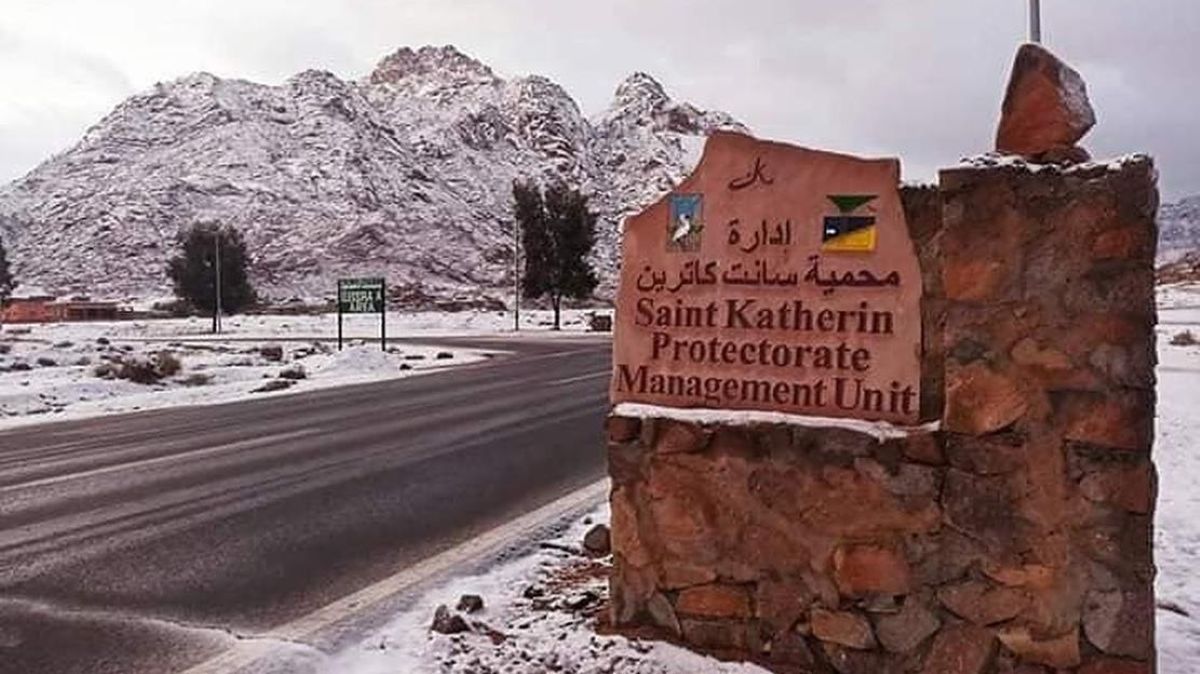
The ancient city of Saint Catherine, in Egypt’s rugged South Sinai Governorate, is witnessing a remarkable surge in international and domestic tourism. To the traveller who seeks a remarkable confluence of deep history, unspoiled wilderness and spiritual renewal, the appeal of this desert sanctuary is essential to understand. This comprehensive guide explores the sacred traditions and vibrant efforts to preserve culture that have contributed to the region’s prominent position on global travel lists and provides insight into its longstanding legacy. For more inspiration for regional trips, readers can check out more travel resources.
Frequently Asked Questions
- Why is Saint Catherine famous worldwide? The destination is internationally renowned for housing Saint Catherine’s Monastery at the foot of Mount Sinai, a UNESCO World Heritage site revered across multiple Abrahamic faiths.
- What type of tourism thrives in Saint Catherine? The region uniquely merges religious pilgrimage, ecotourism through protected mountain reserves, and high-altitude adventure trekking.
- Who are the traditional inhabitants of the South Sinai mountains? The region is stewarded by the Jebeliya Bedouin tribe, whose centuries-old nomadic heritage remains deeply intertwined with the local ecosystem.
A Sacred Sanctuary: The Religious Significance of South Sinai
For centuries, the mountainous terrain of South Sinai has drawn spiritual seekers, historians, and pilgrims from around the globe. At the heart of this sacred landscape stands Saint Catherine’s Monastery, one of the oldest working Christian monasteries in the world. Constructed under the Byzantine Emperor Justinian I between 548 and 565 CE, the fortified complex guards the biblical site where Moses is said to have encountered the Burning Bush.
Beyond its foundational Christian heritage, the region holds immense spiritual weight in Judaism and Islam, as Mount Sinai is traditionally identified as the divine location where the Ten Commandments were delivered. According to historical data published by the Egyptian Ministry of Tourism and Antiquities, the monastery’s library houses the world’s second-oldest collection of ancient manuscripts and codices, second only to the Vatican Library. This rare repository of early religious texts reinforces the area’s unmatched status as a global crossroads of interfaith history and monastic preservation.
Adventure and Eco-Tourism: Traversing the High Peaks
While spirituality draws many visitors, the dramatic topography of South Sinai offers an unmatched playground for ecotourists and adventure enthusiasts. Mount Sinai, standing at an elevation of 2,285 metres, attracts hikers eager to ascend its rugged trails before dawn. Witnessing the sunrise from the summit remains one of the most iconic travel experiences in the Middle East, casting a golden hue over the endless expanse of granite peaks and sweeping valleys.
Advertisement
Advertisement
The surrounding Saint Catherine Protectorate spans thousands of square kilometres of protected wilderness. Designated as a national protectorate to preserve its fragile desert ecosystem, the area is home to endemic flora, rare fauna such as the Nubian ibex, and unique geological formations. Trekking routes, guided by local experts, wind through deep canyons, ancient orchards, and high-altitude basins, promoting low-impact tourism that safeguards the natural environment for future generations.
Advertisement
Advertisement
Preserving the Legacy: The Bedouin Heritage of South Sinai
No exploration of Saint Catherine is complete without recognizing the vital role played by the indigenous Jebeliya Bedouin tribe. Descended from soldiers originally sent by Emperor Justinian to guard the monastery in the sixth century, the Bedouin community has preserved a rich tapestry of desert traditions, medicinal plant knowledge, and oral histories.
The community’s sustainable lifestyle serves as a cornerstone of modern ecotourism in the region. Visitors engage directly with Bedouin guides who possess generational expertise regarding safe navigation through the labyrinthine mountain passes. Traditional hospitality, storytelling around evening fires, and the preservation of artisanal crafts ensure that the human element of South Sinai remains as compelling as its natural wonders. Collaborative tourism initiatives continue to empower local families, ensuring that economic benefits from the tourism influx directly support heritage conservation.
An Outlook
Saint Catherine has a timeless charm; it’s one of the few places that combine the ancient spiritual heritage with the breathtaking natural adventure. Today’s travellers are increasingly seeking meaningful, sustainable destinations, and South Sinai is a timeless beacon of cultural preservation and geological magnificence. A visit to this historical refuge is sure to be an unforgettable trip back to the collective past of humankind and to some of the most spectacular scenery on Earth.
Advertisement
