

Türkiye Partners with China to Boost Tourism and Investment as $46.3 Billion Trade Gap Drives Push for Economic Balance

Updated
Published
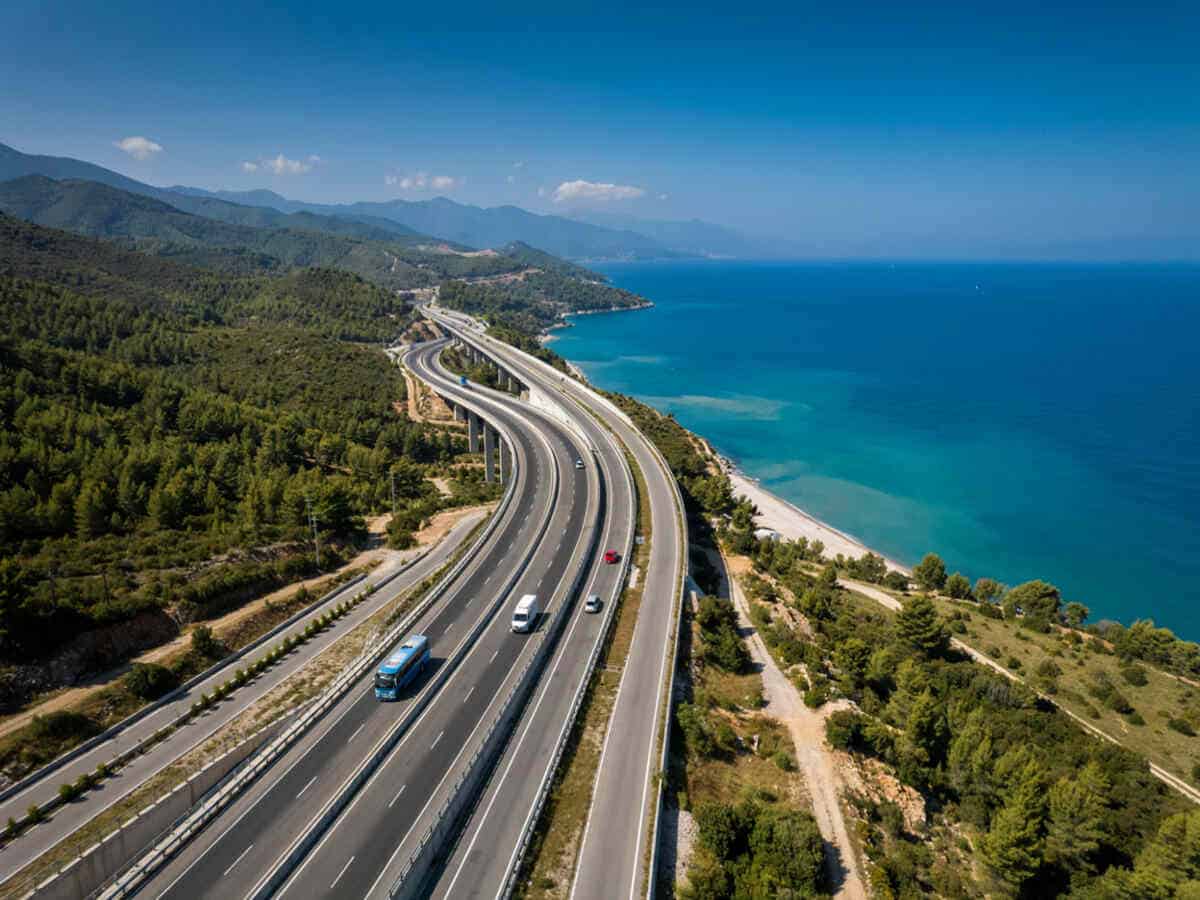
Türkiye is seeking to deepen its ties with China to help reduce its $46.3 billion trade deficit with the Asian power by boosting tourism, investment and economic cooperation. The renewed emphasis on Türkiye China Economic Relations could help Antalya and Alanya, where Chinese-backed transport investment is set to improve regional connectivity. With hopes of attracting more Chinese tourists, generating employment and boosting trade, the two countries are set to forge a more balanced and sustainable economic partnership.
Türkiye and China are seeking stronger economic cooperation as a US$46.3 billion trade deficit raises fresh questions about their commercial relationship. The two countries are exploring greater investment, improved trade access, tourism growth and transport development. As they mark 55 years of diplomatic relations in 2026, their economic partnership is entering an important period. Türkiye wants to sell more goods to China, welcome more Chinese tourists and attract investment that creates jobs. China, meanwhile, sees opportunities in Türkiye’s manufacturing industry, infrastructure and location between Europe and Asia
Türkiye and China Face a Major Trade Challenge
The size of the trade gap explains why Türkiye wants a more balanced partnership. Official figures show that Türkiye imported goods worth US$49.6 billion from China in 2025. However, its exports to China reached only US$3.3 billion. This created a deficit of US$46.3 billion.
The imbalance continued during the first quarter of 2026. Türkiye imported US$12.4 billion in Chinese goods and exported just US$900 million. This produced another US$11.5 billion deficit.
Advertisement
Advertisement
China supplies machinery, electronics and industrial equipment that Turkish businesses need. These products support factories and local production. However, Türkiye also wants to increase its own exports and reduce excessive dependence on imported goods.
| Key Indicator | Official Figures and Developments |
|---|---|
| Bilateral merchandise trade, 2025 | US$52.9 billion |
| Türkiye’s imports from China, 2025 | US$49.6 billion |
| Türkiye’s exports to China, 2025 | US$3.3 billion |
| Türkiye’s trade deficit, 2025 | US$46.3 billion |
| Trade deficit, January–March 2026 | US$11.5 billion |
| Chinese visitors to Türkiye, 2025 | More than 425,000 |
| Proposed Chinese visitor target | 1 million annually |
| Chinese investment in Türkiye since 2002 | More than US$5 billion |
| Chinese-capital companies in Türkiye | Nearly 1,500 |
| BYD manufacturing agreement | Approximately US$1 billion |
| Antalya–Alanya Motorway investment | €2.43 billion total project value |
| Diplomatic relations | 55th anniversary in 2026 |
Tourism Ambitions Open Powerful New Opportunities
Tourism offers one of the clearest opportunities for stronger economic ties. More than 425,000 Chinese visitors travelled to Türkiye in 2025. The country now has an ambitious goal of welcoming one million Chinese tourists annually.
Advertisement
Advertisement
Reaching that target would require more than doubling the 2025 visitor total. Better transport links, easier travel arrangements and stronger destination promotion could help achieve this.
Türkiye has also introduced visa-free travel for Chinese citizens, as confirmed by its Ministry of Foreign Affairs in January 2026. This removes an important entry barrier and could encourage more holidays, cultural visits and business journeys. Tourism would not erase the goods trade deficit. However, visitor spending could support hotels, restaurants, local transport and tourism businesses.
Advertisement
Advertisement
Transport Investment Benefits Antalya and Alanya
A major motorway project offers another example of growing cooperation. Chinese investment is helping support the Antalya–Alanya Motorway, a large transport development along Türkiye’s Mediterranean coast.
The project has an estimated total investment value of €2.43 billion. Its financing includes €1.7 billion in long-term loans, alongside equity funding. China’s Silk Road Fund has also participated in the investment.
Official plans indicate that the motorway could reduce travel time between Antalya and Alanya from approximately two and a half hours to just 36 minutes once operational. This could make travel easier for tourists, improve road connections and support businesses along the coast. However, the shorter journey time remains a project forecast rather than an achieved result.
Strengthening Manufacturing and Employment Prospects
Manufacturing is another major area of cooperation. Official Turkish investment figures show that Chinese investment has exceeded US$5 billion since 2002. Nearly 1,500 Chinese-capital companies are operating in the country.
Advertisement
Advertisement
These businesses represent opportunities in automotive production, industrial equipment, logistics, renewable energy and technology.
One major example is the BYD automotive investment agreement signed in July 2024. The original plan involved approximately US$1 billion for a vehicle production facility in Manisa. The proposed factory was designed to produce 150,000 vehicles annually and create up to 5,000 direct jobs. However, the project has faced implementation delays and should not be described as an operational factory.
Trade Rules Add Pressure to Türkiye and China’s Automotive Partnership
The automotive industry also faces international trade challenges. In July 2026, a World Trade Organization panel issued findings concerning Turkish import measures affecting vehicles from China.
The panel found that certain additional duties on electric and hybrid vehicles, along with elements of the import-permit system, were inconsistent with WTO obligations.
However, the ruling did not reject every Turkish measure. Some vehicle categories and exemptions received different legal findings.
This creates an important challenge for both countries. Türkiye wants to protect industrial development and encourage local production. China wants predictable market access for its manufacturers.
Advertisement
Advertisement
Clear rules, lawful trade measures and reliable investment agreements could help both sides manage these competing interests.
Towards Stronger Tourism, Trade and Regional Connectivity
The two countries also share an interest in improving transport and trade connections across Asia and Europe.
Türkiye supports cooperation between its Middle Corridor initiative and China’s Belt and Road Initiative. The countries signed a memorandum in 2015 to align these transport strategies, followed by a joint working group meeting in Beijing in November 2024.
Such cooperation could improve freight movement, logistics services and access to regional markets.
Tourism promotion, manufacturing investment and easier market entry could also support a broader economic relationship.
However, long-term success will depend on practical results. Türkiye needs greater export opportunities, while Chinese investors need clear and stable operating conditions. Both countries must ensure that new projects deliver measurable economic benefits.
Advertisement
Advertisement
Relations Enter a Decisive Period for Future Growth
The 55th anniversary of diplomatic relations gives Türkiye and China an opportunity to strengthen their economic partnership.
The US$46.3 billion merchandise trade deficit remains a serious challenge, but tourism, investment and transport infrastructure offer ways to broaden cooperation.
For Türkiye, more Chinese visitors could support tourism revenue, while productive investment could strengthen manufacturing and employment. For China, Türkiye offers access to a large market and connections with surrounding regions.
Both countries have the opportunities to overcome their economic issues and profit from the cheap resources, expanding business ties, tourism industry development, and trade. The current state of the trade deficit between Turkey and China, which amount to $46.3 billion, should be solved through the introduction of more transport opportunities between Alanya and Antalya, attracting more Chinese tourists, and Chinese investments in local businesses. As a result, both sides will be able to benefit from cooperation, gaining access to new markets and materials, and supporting local production.
Advertisement
