

Emirates Advances A350-900 Flights to Addis Ababa, Opening a New Chapter for Dubai–Ethiopia Travel

Published
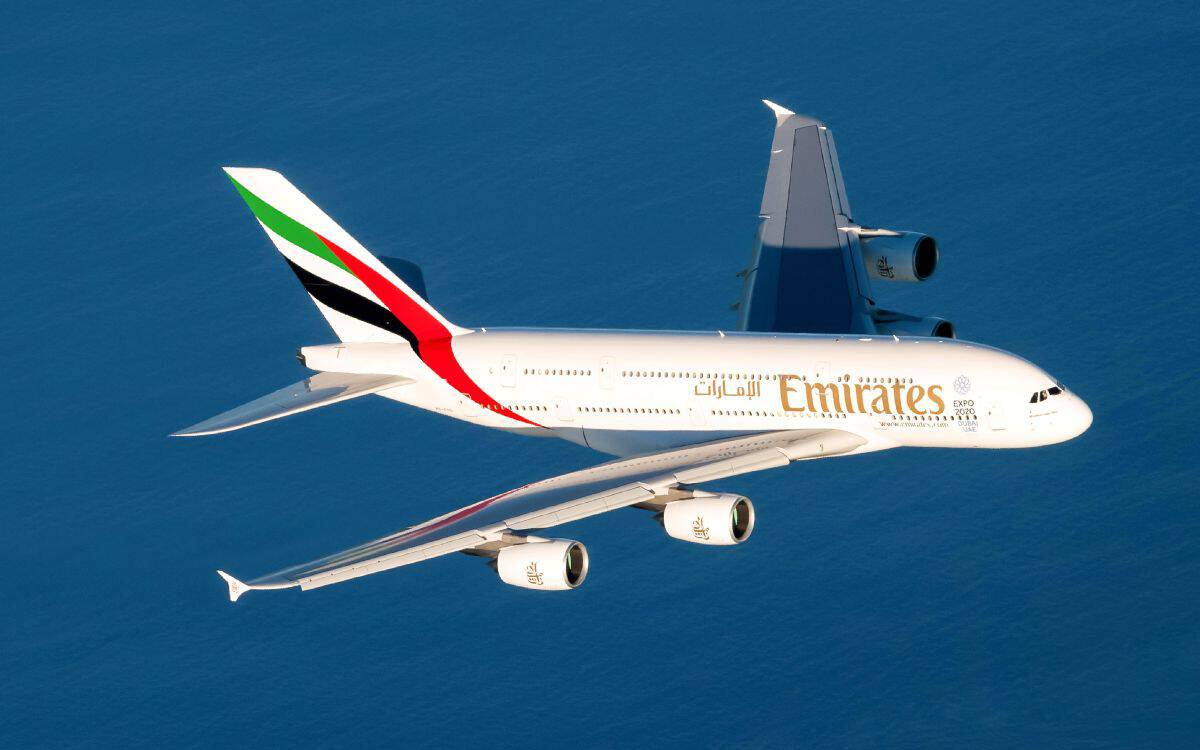
Emirates will introduce its Airbus A350-900 on flights between Dubai and Addis Ababa from 1 November 2026, advancing the deployment by two months. The aircraft will replace the Boeing 777-200LR on daily services EK723 and EK724, connecting Dubai International Airport with Addis Ababa Bole International Airport. The change brings a newer aircraft to a key African capital on Emirates’ international network, although it does not increase flight frequency. The A350-900 configuration offers 312 seats across Business, Premium Economy and Economy Class. For travellers, the earlier introduction creates a new aircraft option ahead of Ethiopia’s main dry-season sightseeing period. Passengers should nevertheless confirm their aircraft assignment before departure.
Earlier Aircraft Deployment Changes the Travel Proposition
The revised date brings the aircraft upgrade forward by 61 days, from the previously planned 1 January 2027 introduction to 1 November 2026. The schedule change concerns the aircraft assigned to an established route, rather than a new service or additional daily departures.
Advertisement
Advertisement
For leisure travellers, the timing is particularly relevant. November falls within the generally drier period for sightseeing in Addis Ababa, while business travellers can benefit from a newer cabin product on a frequently used connection between the Gulf and Ethiopia. However, the deployment remains a scheduled operational change, not a guarantee that every flight will use the A350.
Emirates has been expanding the reach of its next-generation aircraft as new A350s join its fleet. The airline has also introduced the type on routes including Montréal, Taipei and Kuala Lumpur, extending access to its Premium Economy product and updated onboard technology.
Advertisement
Advertisement
That broader strategy places the Addis Ababa deployment within a wider fleet-development programme. Nevertheless, travellers should distinguish an aircraft upgrade from an increase in capacity across the route. The new aircraft offers a different cabin configuration, but the planned daily frequency remains unchanged.
Flight Timings and Route Details for November
The published schedule lists one daily service in each direction between Dubai International Airport (DXB) and Addis Ababa Bole International Airport (ADD). The following timings reflect the reported winter 2026 schedule update and should be checked against the passenger’s booking before travel.
Advertisement
Advertisement
| Flight detail | Dubai to Addis Ababa | Addis Ababa to Dubai |
|---|---|---|
| Flight number | EK723 | EK724 |
| Departure airport | Dubai International (DXB) | Addis Ababa Bole (ADD) |
| Arrival airport | Addis Ababa Bole (ADD) | Dubai International (DXB) |
| Scheduled departure | 09:25 | 14:50 |
| Scheduled arrival | 12:45 | 20:00 |
| Planned aircraft | Airbus A350-900 | Airbus A350-900 |
| Reported frequency | Daily | Daily |
| Scheduled flight duration | 4 hours 20 minutes | 5 hours 10 minutes |
All times are local, as reported in the updated schedule. Actual timings and aircraft assignments may change.
The difference between the two scheduled durations reflects the published departure and arrival times. Travellers should not assume that the return journey will take the same time as the outbound flight. Air traffic, routing and operational conditions can affect actual journey times.
There is also an important booking consideration. Emirates’ public schedule pages may display different timings or aircraft information while seasonal changes are being incorporated. The airline’s booking engine and the latest itinerary should therefore take precedence when planning airport transfers, onward connections or hotel check-ins.
What the 312-Seat Airbus A350 Offers
The Emirates A350-900 configuration cited for the route contains 312 seats across three cabins. Its layout comprises 32 Business Class seats, 21 Premium Economy seats and 259 Economy Class seats.
| Cabin | Seats | Configuration | Main passenger benefit |
|---|---|---|---|
| Business Class | 32 | 1-2-1 | Lie-flat seating and direct aisle access |
| Premium Economy | 21 | 2-3-2 | Wider seating and additional personal space |
| Economy Class | 259 | 3-3-3 | Individual entertainment screens and modern cabin fittings |
| Total | 312 | Three cabins | A choice of comfort and fare categories |
The precise Premium Economy specification matters because Emirates operates different A350 configurations. Some aircraft feature 21 Premium Economy seats, while longer-range versions have 28. The reported Addis Ababa allocation corresponds to the 312-seat, three-class configuration.
The cabin also features wider aisles, higher ceilings and updated lighting. Emirates has highlighted its latest-generation inflight entertainment, high-definition screens and improved charging facilities across its A350 product. These features may appeal to travellers who work during flights or value personal entertainment on international journeys.
Advertisement
Advertisement
However, the aircraft type alone does not establish the exact amenities available on an individual departure. Cabin specifications can differ between aircraft, and operational substitutions remain possible. Passengers who specifically want Premium Economy should confirm that their selected flight offers the cabin before purchasing a fare.
Why Addis Ababa Matters to African Aviation
Addis Ababa occupies a strategic position in African aviation, serving as Ethiopia’s political and commercial capital and an important gateway to the wider region. Bole International Airport connects the city with international business, tourism and diplomatic traffic. Its location also makes it a useful arrival point for travellers planning onward journeys within Ethiopia.
The airport’s scale underlines this role. Ethiopian Airlines’ January 2026 factsheet states that Addis Ababa Bole International Airport has capacity for 22 million passengers annually. That figure describes capacity, not actual passenger throughput, and should not be interpreted as a current traffic total.
For Emirates, the route connects Dubai’s global aviation hub with a major African capital. Dubai offers onward connections across Europe, Asia, the Middle East and other international markets. Consequently, the aircraft change may interest both travellers whose final destination is Ethiopia and passengers incorporating Addis Ababa into a larger itinerary.
The distinction between connectivity and frequency remains essential. Emirates is not announcing an additional daily flight through this update. Instead, the airline plans to change the aircraft operating existing services. Any effect on available seats, cabin choice or fares will depend on the aircraft actually assigned and the inventory released for sale.
November Offers Useful Sightseeing Conditions
Addis Ababa’s high-altitude setting gives the city a different climate from many lower-lying African destinations. The capital sits roughly 2,350–2,400 metres above sea level, so visitors may notice the elevation during their first days. Travellers should allow time to adjust, particularly when arriving after a long international journey.
Advertisement
Advertisement
October to February generally offers favourable conditions for sightseeing, although rainfall and temperatures vary. November can be a practical month for exploring museums, historic churches, markets and the city’s established coffee culture. It also gives travellers a useful opportunity to combine an international arrival with a short city stay.
| Attraction | Why travellers visit | Practical consideration |
|---|---|---|
| National Museum of Ethiopia | Archaeology, Ethiopian art and the famous early human fossil Lucy | Allow time for museum exhibits |
| Holy Trinity Cathedral | Religious architecture, stained glass and historic associations | Dress modestly and observe visitor rules |
| Merkato | A large trading district known for coffee, spices and textiles | Consider a local guide and agree prices beforehand |
| Entoto Hills | Elevated views, forested slopes and historic churches | Allow additional time for the journey |
| Ethnological Museum | Exhibitions on Ethiopian cultures in a former imperial residence | Check access arrangements before visiting |
| St George’s Cathedral | Historic octagonal church associated with the Battle of Adwa | Check opening times and photography restrictions |
For a short stay, the National Museum and Holy Trinity Cathedral provide a manageable introduction to Ethiopia’s history. Visitors with a full day can add a coffee ceremony or explore a traditional market. Entoto Hills may suit travellers who have more time and want views beyond the central districts.
The best itinerary depends on arrival time and traffic. Although the airport is relatively close to the city centre, road journeys can take longer during busy periods. A hotel transfer and a realistic sightseeing schedule are therefore more useful than planning multiple distant attractions in a single day.
Airport Transfers and Accommodation Choices
Bole International Airport lies approximately six kilometres southeast of central Addis Ababa. The short geographical distance does not guarantee a quick transfer, because traffic conditions can significantly affect journey times. Travellers should confirm pickup arrangements with their accommodation and leave a buffer before meetings or onward departures.
Bole is convenient for visitors prioritising airport access, restaurants and contemporary hotels. Kazanchis can suit business travellers attending meetings, while Piassa offers a historic setting. Areas around Meskel Square provide access to central roads and civic landmarks, although the best base depends on the location of planned activities.
Travellers can arrange hotel transfers, use taxis or consider local ride-hailing services where available. Confirm the fare before starting a journey if the vehicle does not use a meter. Visitors carrying luggage may find a pre-arranged transfer more convenient than navigating shared transport immediately after arrival.
Advertisement
Advertisement
Ethiopia uses the Ethiopian birr, and cash remains useful for smaller purchases and some local transport. Card acceptance varies by establishment, so travellers should check payment options before relying entirely on cards. They should also keep valuables secure in crowded markets and busy transport areas.
Entry Rules and Local Customs Require Planning
An aircraft upgrade does not change Ethiopia’s immigration requirements. Visa eligibility depends on nationality, passport and travel purpose, so passengers should check the rules applicable to their circumstances before booking a non-refundable itinerary.
The Ethiopian government’s official e-visa platform is the appropriate starting point for checking online application options. Travellers should also consult their own government’s current travel advice, particularly if they intend to travel beyond Addis Ababa. The UK Foreign, Commonwealth & Development Office, for example, publishes separate guidance on entry requirements and regional security conditions.
Visitors should check passport-validity requirements, visa conditions and any applicable health documentation well before departure. Travellers arriving from countries with yellow fever transmission risks may face vaccination-certificate requirements. The precise rules depend on the journey and current public-health measures, so airline confirmation alone may not cover every entry condition.
Cultural awareness also improves the experience. Visitors to churches should dress modestly and follow instructions about footwear and photography. Ask permission before photographing people, particularly in markets and residential areas. A traditional Ethiopian coffee ceremony can provide a valuable introduction to local hospitality, while a little planning helps visitors avoid misunderstandings around timekeeping and appointments.
What Travellers Should Check Before Booking
The most important question for passengers is whether the planned aircraft appears on their particular departure. Travellers should verify flight times, cabin availability and seat selection directly with Emirates, especially when arranging airport pickups or onward travel through Dubai. They should also review cancellation conditions before purchasing tickets based on a preferred cabin.
Advertisement
Advertisement
| Booking consideration | Recommended action |
|---|---|
| Aircraft assignment | Check whether the A350-900 is scheduled for the selected flight |
| Departure and arrival | Confirm local timings against the latest itinerary |
| Cabin selection | Verify Premium Economy availability and seat configuration |
| Connecting flights | Allow sufficient time for transfers at Dubai International Airport |
| Immigration | Check Ethiopia’s current visa and entry requirements |
| Airport transport | Arrange a transfer and account for traffic |
| Travel insurance | Review coverage and current government travel advice |
For corporate travel planners, the change may provide another option for arranging trips between the Gulf and Ethiopia. Travel management companies should nevertheless avoid promising a particular cabin experience until the aircraft assignment is confirmed. For tour operators, the November deployment could support packages combining international flights with city sightseeing, provided schedules and local arrangements align.
A Timely Upgrade for Ethiopia Visitors
The earlier Emirates A350 Addis Ababa deployment adds a new aircraft option to the Dubai–Ethiopia connection from 1 November 2026. Its three-class configuration offers passengers a choice of Business, Premium Economy and Economy, while the existing daily flight pattern remains unchanged. The timing also suits visitors considering Addis Ababa during the generally favourable November sightseeing period. However, travellers should distinguish the scheduled aircraft change from a guaranteed assignment on every departure. Checking flight details, visa requirements, accommodation and airport transfers remains essential. For airlines, travel advisers and tour operators, the development illustrates how fleet deployment can refresh an established route without adding frequency.
Advertisement
