
Wales Teams Up With Edinburgh and More as Europe Rethinks Tourism Taxes for Unforgettable Travel Experiences!

Published
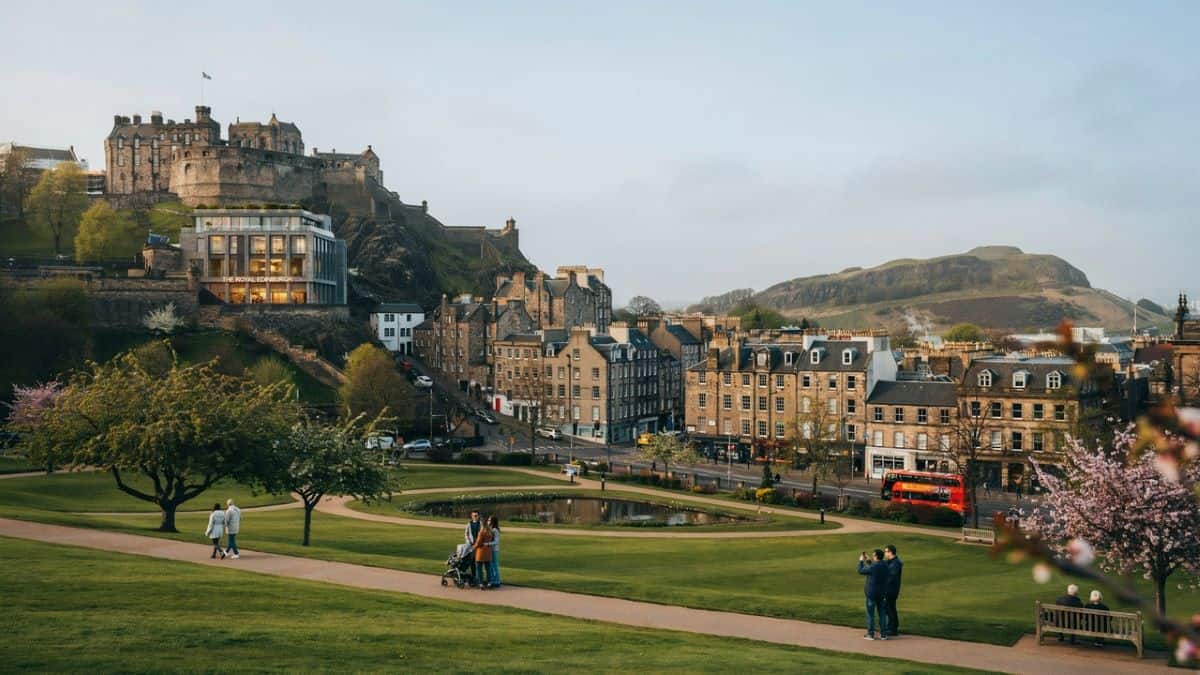
Image generated with Ai
Wales Teams Up With Edinburgh and more destinations as Europe rethinks tourism taxes and creates new considerations for unforgettable travel experiences. As Wales prepares for its visitor levy, Edinburgh and other European destinations offer useful comparisons for travellers. Moreover, tourism taxes are becoming an important part of travel planning across Europe. Therefore, Wales and Edinburgh now stand at the centre of a wider conversation about visitor costs, tourism services and unforgettable travel experiences. Travel And Tour World explores how these changing tourism taxes could affect global travellers. Read the entire story to discover what Wales, Edinburgh and more destinations mean for your next European journey.
Wales Tourism Tax: Six Global Destinations Show How Visitor Levies Can Shape Travel Costs, Experiences and Tourism Management
Wales is entering a new phase of tourism management as its visitor levy framework moves towards implementation in Cardiff from April 2027. The policy gives Welsh councils the ability to introduce a charge on overnight stays after consultation with local communities and businesses.
For international travellers, the Welsh model is easier to understand when compared with destinations already using accommodation taxes, tourist charges or access contributions.
Barcelona, Amsterdam, Edinburgh, Venice, Lisbon and Dubrovnik provide six useful comparisons. Their systems are not identical. Some charge visitors staying overnight, while Venice also uses an access contribution for certain day visitors.
Advertisement
Advertisement
The comparisons matter because the financial effect of a tourism levy depends on its structure. A percentage charge can become more expensive for luxury accommodation, while a fixed nightly amount can remain predictable for travellers.
Wales Tourism Tax: What Travellers Need to Know Before 2027
The Welsh visitor levy is scheduled to begin in Cardiff on 1 April 2027.
Advertisement
Advertisement
Cardiff Council has confirmed that accommodation providers must begin accounting for the levy from 28 September 2026 for qualifying stays beginning on or after 1 April 2027.
The higher levy is £1.30 per person per night for hotels, guesthouses, holiday lets, cottages, caravans, motorhomes and most other accommodation types.
Advertisement
Advertisement
The lower rate is 75 pence per adult per night for shared hostel accommodation and tent pitches.
Children under 18 do not pay the lower-rate levy when staying in qualifying shared accommodation. The higher-rate accommodation category does not have the same under-18 exemption.
The charge is calculated by person and night rather than by room.
That distinction is important for families. Four people staying seven nights in qualifying higher-rate accommodation would generate a levy of £36.40 before considering how the accommodation provider handles VAT and whether the charge is passed to guests. The Welsh Government’s own example uses this calculation.
Advertisement
Advertisement
The Welsh Government expects councils to retain at least 90% of visitor levy proceeds, with costs associated with collection capped at 10%.
Revenue can support tourism, visitor infrastructure, natural and cultural assets, landmarks, Welsh language initiatives and local tourism management.
Wales Tourism Tax: Key Numbers at a Glance
| Item | Wales / Cardiff position |
|---|---|
| Earliest national implementation | April 2027 |
| Cardiff levy start | 1 April 2027 |
| Cardiff booking-accounting date | 28 September 2026 |
| Higher levy | £1.30 per person per night |
| Lower levy | £0.75 per person per night |
| Lower-rate accommodation | Shared hostels and tent pitches |
| Under-18 exemption | Applies to lower-rate accommodation |
| Levy collection body | Welsh Revenue Authority |
| Minimum share of proceeds retained locally | 90% |
| National accommodation registration opens | 1 October 2026 |
| International visits to Wales, latest available Visit Wales figure | 929,000 |
| International visitor nights, latest available figure | 7 million |
| International visitor spend, latest available figure | £488 million |
| GB overnight trips to Wales, 2025 | 7.76 million |
| GB nights in Wales, 2025 | 23.48 million |
| GB overnight-trip spending, 2025 | £2.30 billion |
| GB tourism day trips, 2025 | 59.22 million |
| GB tourism day-trip spending, 2025 | £2.84 billion |
The latest Visit Wales data show 7.76 million overnight trips by GB residents in 2025, producing 23.48 million nights and £2.30 billion in expenditure. The same year recorded 59.22 million tourism day trips and £2.84 billion in spending.
International tourism provides another important part of the picture. Visit Wales reports 929,000 international visits, approximately 7 million nights and £488 million in spending in its latest International Passenger Survey figures.
Six Destinations Where Tourism Charges Already Shape Travel Planning
The following destinations illustrate six different approaches. They are useful comparisons rather than identical models for Wales.
1. Edinburgh, Scotland: A Percentage-Based Visitor Levy for Overnight Stays
Edinburgh is particularly relevant because Scotland’s visitor levy legislation allows local authorities to introduce their own schemes.
Advertisement
Advertisement
Edinburgh’s levy began applying to qualifying overnight stays from 24 July 2026. It is charged at 5% of the accommodation cost, before VAT, and applies to the first five nights. The scheme covers hotels, hostels, guesthouses, B&Bs, self-catering accommodation, short-term lets, campsites and certain vessels or vehicles used as accommodation.
The structure creates a noticeable difference from Wales. A traveller paying £100 for qualifying accommodation would face a £5 levy before VAT under Edinburgh’s percentage system. Wales instead uses a fixed per-person nightly charge.
Edinburgh expects the levy to generate up to £50 million annually once established. The council says the money is intended for visitor-related infrastructure, culture, heritage, events, public services and responsible tourism initiatives.
The city recorded approximately 5 million overnight visits in 2024, generating £2.57 billion in visitor spending. Hotel and B&B occupancy reached 81.4%, the highest level in six years according to Edinburgh’s city statistics.
Edinburgh five-year tourism comparison
| Year | Edinburgh staying visits / visitor indicator | Additional detail |
|---|---|---|
| 2020 | Pandemic-affected | International travel severely restricted |
| 2021 | 0.5m international staying visits | Tourism remained heavily restricted |
| 2022 | 1.8m international staying visits | International recovery underway |
| 2023 | 5.0m total staying visits | 2.3m international, 2.7m domestic |
| 2024 | 5.0m overnight visitors | £2.57bn visitor spend |
| 2024 | 20.4m nights | International 13.4m; domestic 6.9m |
Edinburgh’s 2023 data show 5 million total staying visits, 20.4 million nights and £2.244 billion in visitor spending. International visits reached 2.3 million, while domestic visits stood at 2.7 million.
For travellers, Edinburgh works particularly well as a three-night cultural break. Start with Edinburgh Castle and the Royal Mile, then explore the Old Town and New Town. Holyrood Palace and Arthur’s Seat provide contrasting historical and outdoor experiences.
Advertisement
Advertisement
Food travellers can try Scottish salmon, Cullen skink, haggis and locally produced whisky. The city has accommodation ranging from historic hotels to hostels and self-catering apartments.
A practical itinerary is one day for the Old Town, one day for museums and Holyrood, and one day for Arthur’s Seat or a wider excursion.
Travellers should calculate the levy into accommodation costs rather than treating the advertised room price as the final amount.
2. Amsterdam, Netherlands: A High Percentage Tourist Tax
Amsterdam provides one of Europe’s clearest examples of a percentage-based accommodation tax.
The city’s 2026 tourist tax is 12.5% of the overnight accommodation price excluding VAT. A separate day tourist tax of €15 per passenger applies to qualifying cruise day visitors.
This system differs sharply from Wales because the amount changes according to the accommodation price.
Advertisement
Advertisement
A traveller booking an expensive hotel therefore needs to consider the percentage-based calculation when preparing a budget.
Amsterdam’s official research shows the city had almost 10 million staying visitors in 2024. Those visitors generated almost 23 million overnight stays. The average stay was approximately 2.36 nights.
The city also recorded around 14 million unique day visitors in 2024. Total day visits were approximately 27 million because some people visited more than once. Around 95% of staying visitors used hotels.
Amsterdam five-year tourism comparison
| Year | Tourism indicator | Overnight information |
|---|---|---|
| 2020 | About 8m tourist visitors | 6.9m tourist nights |
| 2021 | About 7–9m estimated visitors | 6.6m tourist nights |
| 2022 | 20.3m total tourist visitors | 18.2m tourist nights |
| 2023 | 9.4m staying visitors | 22.1m tourist nights |
| 2024 | About 10m staying visitors | Almost 23m nights |
| 2025 | Forecast range | 23.0m–24.6m nights |
Amsterdam’s 2021 visitor estimate was heavily affected by pandemic restrictions. The city’s statistical service recorded approximately 6.6 million tourist overnight stays that year. In 2022, overnight tourism recovered to 18.2 million, followed by 22.1 million in 2023.
Amsterdam’s 2025 tourism forecast places overnight stays between 23.0 million and 24.6 million, while the city’s 2027 forecast range is 23.9 million to 27.9 million.
For travellers, Amsterdam suits a four-day city itinerary. Begin with the Rijksmuseum and Museumplein. Continue through the canal belt and Jordaan. Reserve another day for the Anne Frank House, subject to ticket availability, followed by canal-side neighbourhoods.
Advertisement
Advertisement
Visitors can try Dutch pancakes, stroopwafels, herring, bitterballen and Indonesian-influenced cuisine.
Staying outside the busiest central streets can make the trip calmer while still providing easy access by tram, metro or bicycle.
The tourist tax makes it especially important to compare the final accommodation price rather than the advertised base rate.
3. Venice, Italy: A Tourist Tax Plus a Separate Day-Visitor Access Contribution
Venice demonstrates another model because overnight tourists and day visitors can encounter different charges.
The municipality applies a tourist tax to guests staying in accommodation. The charge is calculated per person and night and varies according to accommodation type, season and location. It generally applies for the first five nights.
Venice has also introduced an experimental access contribution for certain day visitors entering the historic city during designated periods.
Advertisement
Advertisement
The 2026 system operated for 60 non-consecutive days between April and July. Visitors paying in advance could pay €5, while those paying closer to the visit could pay €10.
The 2025 experiment issued more than 720,000 paid visitor vouchers and generated approximately €5.4 million. In 2024, 485,000 paid visitors generated about €2.4 million during the first experiment.
Venice five-year tourism data
Venice publishes annual tourism yearbooks containing arrivals, overnight stays, accommodation supply, airport and port traffic and cultural attraction data. Each yearbook includes a five-year historical series.
| Year | Official tourism data position | Traveller-management relevance |
|---|---|---|
| 2021 | Recovery year after pandemic restrictions | Historic centre experienced renewed visitor activity |
| 2022 | Strong tourism recovery | International tourism returned |
| 2023 | High overnight demand | Pressure on historic centre remained significant |
| 2024 | Access contribution introduced | 485,062 paid access transactions |
| 2025 | Expanded access experiment | 723,497 payment titles; €5.42m collected |
| 2026 | 60-day experiment | €5 or €10 access contribution |
Venice’s system is particularly relevant to travellers planning day trips. Staying overnight and arriving only for the day can create different financial obligations.
A two-day Venice itinerary should include St Mark’s Square, St Mark’s Basilica, Doge’s Palace, Rialto Bridge and the quieter canals around Cannaregio.
Travellers should also explore Murano and Burano if time permits. Local dishes include sarde in saor, risotto al nero di seppia, cicchetti and baccalà mantecato.
Advertisement
Advertisement
For accommodation, staying within the historic centre provides immediate access to major sights. Mestre can offer a different base for travellers who prefer mainland accommodation and transport connections.
The practical lesson from Venice is that visitors should check whether their trip involves an overnight stay or a qualifying day visit before travelling.
4. Barcelona, Spain: A Tourist Tax With a Municipal Surcharge
Barcelona has one of Europe’s most established tourism-tax systems.
The city combines the Catalan tourist tax with a municipal surcharge. Official Barcelona material records a municipal surcharge of €4, while the total amount depends on accommodation category. For example, the combined amount for a five-star hotel is listed at €7.50 per person per night, while other categories have different totals.
Barcelona says its tourism tax system generated €253.1 million between its introduction in 2012 and March 2023. The municipal government also reports that the surcharge generated €55.2 million in less than two years.
The city uses tourism revenue for public services and tourism-management measures. These include cleaning, security, lighting, transport, visitor-flow management, public spaces and initiatives intended to reduce pressure in highly visited areas.
Advertisement
Advertisement
Barcelona five-year tourism comparison
Because Barcelona’s official observatory uses several geographical and accommodation definitions, the figures below identify the published metric rather than mixing them.
| Year | Destination Barcelona tourism indicator |
|---|---|
| 2021 | 7.6m tourists in analysed accommodation |
| 2022 | 14.79m tourists across available accommodation categories |
| 2023 | About 26m destination tourists using broader overnight-visitor definition |
| 2024 | 26.1m destination tourists |
| 2024 | 15.6m in Barcelona city |
| 2024 | €14.088bn estimated direct tourism spending |
| 2025 | Latest annual comprehensive comparable figure varies by dataset |
In 2021, Destination Barcelona recorded approximately 7.6 million tourists and 21.4 million overnight stays in the accommodation categories covered by its tourism monitoring system.
In 2022, the same system recorded 14.79 million tourists and 45.36 million overnight stays across the available accommodation categories. Hotels alone accounted for more than 10.7 million tourists and 28.4 million nights.
For 2023, the broader destination measure counted nearly 26 million tourists. Barcelona city accounted for 15.6 million and the surrounding region 10.3 million.
In 2024, the broader destination measure reached 26.1 million tourists. Barcelona city accounted for 15.6 million, while the region contributed 10.5 million. Direct tourism spending was estimated at €14.088 billion.
For travellers, Barcelona can be planned around four or five nights. Sagrada Família, Park Güell, Gothic Barcelona, the waterfront and Montjuïc should form the core itinerary.
Advertisement
Advertisement
Food remains central to the visitor experience. Travellers can explore Catalan dishes such as pa amb tomàquet, escalivada, crema catalana and seafood-based preparations.
The city’s official 2024 tourist survey found that cultural visits were undertaken by 79% of surveyed tourists. The most visited areas included La Rambla, Plaça de Catalunya/Passeig de Gràcia and Sagrada Família.
For accommodation, tourists can choose hotels, licensed tourist apartments and other registered options. The final accommodation bill should include the applicable tourism taxes.
5. Lisbon, Portugal: A Fixed Overnight Charge With a Separate Maritime Component
Lisbon offers another useful comparison because its municipal tourist tax uses a fixed amount rather than a percentage of accommodation prices.
Lisbon’s current municipal overnight tourist tax is €4 per person per night, with the charge limited to seven nights per stay.
The city also applies a maritime arrival tax to qualifying cruise passengers. Lisbon’s municipal documentation identifies the separate maritime tourism charge and distinguishes it from the overnight tax.
Advertisement
Advertisement
The city’s official information states that tourism-tax revenue is intended for projects, studies, equipment and infrastructure linked directly or indirectly to tourism quality and sustainable tourism management.
Lisbon’s tourism statistics show how significant accommodation demand has become.
The city’s 2025 economic statistics publication records 6.46 million hotel guests and 15.16 million hotel overnight stays in 2023. Those figures represented approximately 22% and 20% respectively of Portugal’s national totals.
Lisbon five-year tourism comparison
| Year | Officially available tourism context |
|---|---|
| 2021 | Portugal recorded 14.5m accommodation guests nationally |
| 2022 | Portugal recorded 21.2m hotel guests nationally |
| 2023 | Lisbon city recorded 6.46m hotel guests |
| 2023 | Lisbon city recorded 15.16m hotel nights |
| 2024 | Portugal recorded 31.6m accommodation guests |
| 2024 | Portugal recorded 80.4m accommodation nights |
| 2025 | Lisbon continued monitoring hotel guest and overnight statistics |
Portugal’s national statistics recorded 14.5 million accommodation guests and 37.5 million overnight stays in 2021. By 2024, the country recorded 31.6 million guests and 80.4 million overnight stays.
The national figures are included because Lisbon’s official published city series is not presented in one directly comparable five-year table for every year in the sources reviewed.
For a Lisbon holiday, four nights can cover the central highlights. Travellers can explore Belém, Jerónimos Monastery, the historic Alfama district, São Jorge Castle, Praça do Comércio and the waterfront.
Advertisement
Advertisement
A fifth day can be reserved for Sintra, although travellers should treat it as a separate excursion rather than rushing through Lisbon.
Portuguese food provides another reason to extend the stay. Pastéis de nata, bacalhau, grilled sardines, bifana sandwiches and caldo verde are useful starting points.
Travellers can stay in Baixa, Chiado, Avenida da Liberdade, Alfama or nearby districts. Those seeking quieter evenings can stay outside the central tourist corridors while remaining close to metro connections.
The Lisbon model demonstrates how a fixed nightly charge can make budgeting simpler. A traveller knows the basic levy per person before selecting the hotel category.
6. Dubrovnik, Croatia: Tourism Charges Meet Destination-Management Pressure
Dubrovnik is another important comparison for Wales because its tourism-management framework deals with both overnight tourism and cruise traffic.
The city has exceptionally high seasonal tourism demand. Official Dubrovnik data show 1,036,618 arrivals and 3,557,339 overnight stays in 2022. Arrivals were 98% higher than in 2021, while overnight stays were 85% higher.
Advertisement
Advertisement
In 2023, Dubrovnik recorded 20% more arrivals and 9% more overnight stays than in 2022, according to the city.
In 2024, official figures recorded 1,397,052 arrivals and 4,555,636 overnight stays. Dubrovnik remained Croatia’s leading destination by overnight stays.
The city’s 2025 total reached 4,281,792 overnight stays in the specific later city report, reflecting the municipality’s published tourism measurement for that year.
Dubrovnik also applies a separate tourist charge to cruise ships. For 2025, the contribution ranged from €265.45 for ships carrying 50–200 passengers to €5,308.91 for vessels carrying more than 3,000 passengers.
Dubrovnik five-year tourism comparison
| Year | Arrivals | Overnight stays |
|---|---|---|
| 2021 | 522,786 | 1,924,971 |
| 2022 | 1,036,618 | 3,557,339 |
| 2023 | About 1.24m* | About 3.88m* |
| 2024 | 1,397,052 | 4,555,636 |
| 2025 | Official later report uses 4,281,792 overnight stays | 4,281,792 |
| 2019 reference | 1,444,762 | 4,377,763 |
*2023 values are derived from the city’s published year-on-year changes and should be treated as approximate rather than a replacement for the city’s final annual statistical table. The 2021, 2022 and 2019 figures come from Dubrovnik’s official planning documentation.
Dubrovnik’s tourism model is especially useful for travellers visiting during the busiest summer period.
Advertisement
Advertisement
A three-night stay can focus on the Old Town, city walls, Fort Lovrijenac, Mount Srđ and nearby islands. Lokrum is suitable for a slower day outdoors.
Seafood, black risotto, octopus salad, grilled fish and traditional Dalmatian dishes are central to the local food experience.
Travellers can choose historic Old Town accommodation, hotels outside the walls or apartments in nearby neighbourhoods. Booking outside the most concentrated areas can provide easier access to local services.
Dubrovnik also offers a useful lesson about seasonality. The city’s own research identifies a strong concentration of tourism during July and August. Destination-management measures therefore focus not only on total visitor numbers but also on when and where visitors arrive.
Five-Year Tourism Data Comparison Across the Six Destinations
| Destination | 2021 | 2022 | 2023 | 2024 | 2025 / latest |
|---|---|---|---|---|---|
| Edinburgh | 0.5m international staying visits | 1.8m international | 5.0m total staying visits | 5.0m overnight visitors | Latest comprehensive city series varies |
| Amsterdam | 6.6m tourist nights | 18.2m nights | 22.1m nights | Nearly 23m nights | 23.0–24.6m forecast |
| Barcelona | 7.6m tourists in analysed accommodation | 14.79m | ~26m broader destination measure | 26.1m broader destination measure | Annual dataset varies |
| Lisbon | Pandemic-restricted year | Recovery | 6.46m hotel guests in city | National Portugal: 31.6m guests | City series monitored monthly |
| Venice | Recovery year | Recovery | High tourism demand | 485,062 paid access transactions | 723,497 paid access transactions |
| Dubrovnik | 522,786 arrivals | 1,036,618 | ~1.24m arrivals* | 1,397,052 arrivals | 4.28m overnight stays |
The figures should not be interpreted as a single ranking because each destination uses different statistical definitions.
Amsterdam reports unique day visitors, staying visitors and overnight stays separately. Barcelona uses city, regional and destination measures. Venice publishes accommodation arrivals and nights separately from its access contribution. Edinburgh reports staying visits and nights, while Dubrovnik primarily publishes arrivals and overnight stays.
Advertisement
Advertisement
This distinction is important for travellers because a “visitor” can mean someone who sleeps in a destination, someone arriving for the day or someone passing through on a cruise.
How Wales Compares With the Six Destinations
| Destination | Main charge model | Current/latest rate or structure | Maximum / time limit | Main management purpose |
|---|---|---|---|---|
| Wales | Fixed overnight levy | £1.30 or £0.75 | Per person per night | Tourism, nature, culture, infrastructure |
| Edinburgh | Percentage levy | 5% | First five nights | Visitor infrastructure, culture, heritage |
| Amsterdam | Percentage tax | 12.5% | Based on overnight price | Municipal tourism-related costs |
| Venice | Accommodation tax + access contribution | Variable accommodation tax; €5/€10 access contribution in 2026 | Access charge on designated days | Visitor-flow management and tourism services |
| Barcelona | Tourist tax + municipal surcharge | Municipal surcharge €4; total varies | Depends on accommodation category | Public services and tourism management |
| Lisbon | Fixed overnight tax | €4 | Maximum seven nights | Tourism infrastructure and sustainable tourism |
| Dubrovnik | Tourist charges and cruise contribution | Cruise charge varies by vessel capacity | Cruise-related charge | Tourism and destination management |
Wales therefore sits closer to Lisbon in its use of a fixed overnight charge than to Edinburgh or Amsterdam, which use percentage-based accommodation levies.
However, the Welsh framework is more locally discretionary. A council must decide whether to introduce the levy following consultation. This means Wales will not necessarily have one identical charge across every tourism destination.
What This Means for Global Travellers
For tourists, the biggest practical change is that accommodation budgeting needs more attention.
Travellers should distinguish between a room price and the final amount payable.
A family of four staying three nights in qualifying Cardiff accommodation at the higher Welsh rate would generate £15.60 in levy charges.
Advertisement
Advertisement
A couple staying seven nights would generate £18.20.
A solo traveller staying five nights would generate £6.50.
At the lower Welsh rate, a couple staying seven nights would generate £10.50.
Wales Tourism Tax Traveller Budget Examples
| Trip type | People | Nights | Rate | Levy |
|---|---|---|---|---|
| Solo city break | 1 | 3 | £1.30 | £3.90 |
| Couple weekend | 2 | 3 | £1.30 | £7.80 |
| Family holiday | 4 | 3 | £1.30 | £15.60 |
| Couple week | 2 | 7 | £1.30 | £18.20 |
| Solo hostel stay | 1 | 5 | £0.75 | £3.75 |
| Couple camping trip | 2 | 7 | £0.75 | £10.50 |
| Four-person camping trip | 4 | 7 | £0.75 | £21.00 |
These calculations use the published Welsh rates and assume every person and night is chargeable. Actual accommodation bills can differ depending on exemptions, booking circumstances and whether the provider passes the levy to guests.
A Seven-Day Wales Travel Plan for Tourists
Day 1: Cardiff
Start with Cardiff Castle and the surrounding city centre.
Continue towards the National Museum Cardiff and Cardiff Bay.
Advertisement
Advertisement
Spend the evening around the waterfront, where restaurants and cultural attractions provide an easy introduction to the city.
Day 2: Cardiff Bay and Local Culture
Explore the Wales Millennium Centre area and Cardiff Bay.
Allow time for local food and Welsh cultural experiences.
Travellers staying overnight should check their accommodation bill for any applicable visitor levy.
Day 3: Brecon Beacons and Outdoor Wales
Travel towards Bannau Brycheiniog National Park.
Choose a moderate walking route according to weather and fitness.
Advertisement
Advertisement
The national park provides a strong contrast with Cardiff’s urban environment.
Day 4: Swansea and the Gower
Continue towards Swansea and the Gower Peninsula.
Explore coastal scenery, beaches and walking routes.
Fresh seafood and Welsh produce make the area suitable for travellers interested in regional cuisine.
Day 5: Pembrokeshire
Head towards Pembrokeshire for coastal landscapes and historic towns.
Tenby is suitable for a classic seaside stop.
Advertisement
Advertisement
Pembrokeshire Coast National Park provides opportunities for walking and wildlife viewing.
Day 6: North Wales
Travel north towards Eryri and the surrounding communities.
Plan outdoor activities around weather conditions and transport availability.
Snowdonia, now officially known as Eryri, offers mountain scenery and villages suited to slower travel.
Day 7: Conwy and North Wales Coast
Finish around Conwy.
Visit Conwy Castle and explore the historic town.
Advertisement
Advertisement
Travellers with more time can extend the trip towards Anglesey.
This itinerary also illustrates why the Welsh visitor levy debate is complicated. Cardiff, mountain destinations, coastal communities and rural tourism areas do not necessarily experience tourism in the same way.
What Travellers Should Check Before Booking Wales
Travellers planning a Welsh holiday from 2027 should check five things.
First, confirm whether the local authority where they are staying has introduced a visitor levy.
Second, check the accommodation’s final price rather than the headline nightly rate.
Third, determine whether the property falls under the £1.30 or £0.75 rate.
Advertisement
Advertisement
Fourth, check whether anyone in the travelling party qualifies for an exemption or refund.
Fifth, look at local tourism information to understand how levy revenue is being used.
The Welsh Government is also introducing a national registration system for visitor accommodation. Registration opens on 1 October 2026, and providers must register by 31 March 2027.
For travellers, this should provide a more consistent framework for accommodation information.
Wales Tourism Tax and the Future of Destination Travel
The Welsh visitor levy places Wales within a much wider international trend.
Edinburgh uses a percentage-based overnight charge. Amsterdam uses a percentage of accommodation prices. Lisbon uses a fixed nightly tax. Barcelona combines a tourist tax with a municipal surcharge. Venice combines accommodation taxation with a separate access contribution. Dubrovnik uses several tourism-related charges, including a cruise contribution.
Advertisement
Advertisement
The systems differ because their tourism pressures differ.
The common feature is the attempt to connect tourism activity with the cost of managing destinations.
For global travellers, the most useful lesson is not simply how much a tax costs.
It is how the charge changes the total cost of a holiday, what services it supports and whether the system is clearly explained before arrival.
Wales has chosen a relatively simple fixed-rate model while allowing councils to make local decisions. Cardiff will provide the first major test from April 2027.
For visitors, the practical approach is straightforward: compare final accommodation prices, understand the local levy rules and allow a small additional amount in the holiday budget.
Advertisement
Advertisement
As more Welsh councils assess their options, travellers may increasingly need to consider not only where they want to go, but also how each destination manages the cost and impact of tourism.
Conclusion
Wales Teams Up With Edinburgh and more European destinations as tourism taxes become an increasingly important part of travel planning. While Wales prepares for its visitor levy, Edinburgh, Amsterdam, Venice, Barcelona, Lisbon and Dubrovnik demonstrate different approaches to managing tourism costs and visitor pressure. For global travellers, understanding these tourism taxes can help create more accurate holiday budgets and smoother travel plans. Ultimately, checking accommodation charges and local visitor rules before booking can prevent unexpected costs. Travel And Tour World encourages travellers to look beyond headline hotel prices and explore how these evolving policies could shape unforgettable experiences across Wales and Europe.
Advertisement
